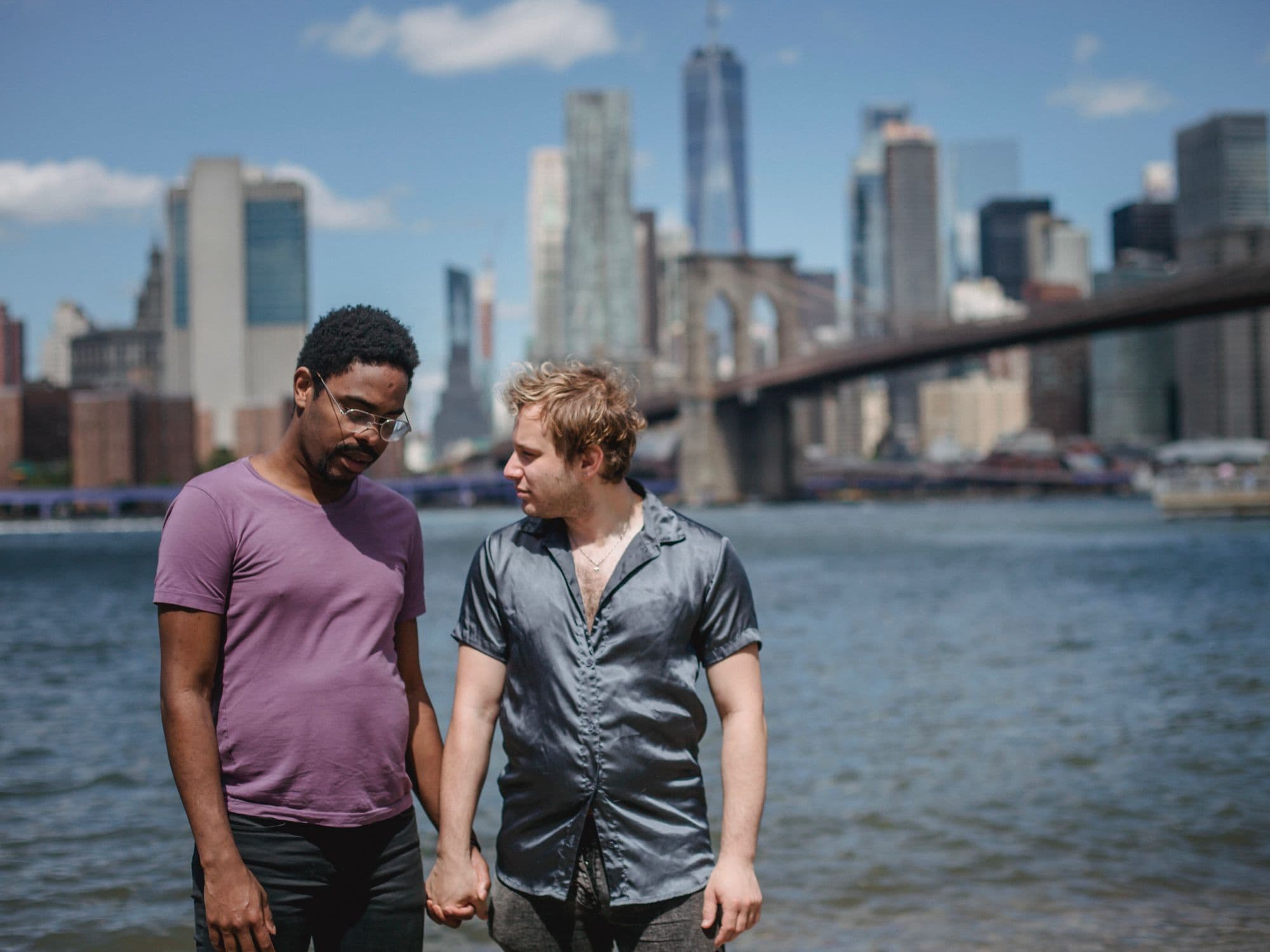

You can travel to countries where being gay is illegal, and many gay men do, comfortably. The trick is to separate three things: the law on paper, how it is actually enforced, and everyday social reality. In Morocco, Egypt and Sri Lanka, enforcement falls mostly on local LGBT people, but visitors are not exempt, and dating apps are where most of the risk sits.
None of this is a reason to stay at home. It is a reason to travel the way a well-briefed local would: affection kept for private spaces, apps used carefully or not at all, a phone you would be happy to hand over, and someone on the ground who knows how things work. That last part is where a vetted local guide earns their fee.
This guide uses the three countries where our guides work most often, with each country's law, its enforcement record and what it means for a visitor, then the practical habits that apply everywhere. Everything was checked against primary sources and current government advice in October 2026.
How to check LGBTQ+ laws before you travel
Start with three sources, in this order: the ILGA World Database for the law itself, the Human Dignity Trust for how it has been enforced recently, and your own government's travel advice for what that means for a visitor.
Government advice is the most practical of the three because it is written for travelers. Our readers mostly hold UK, US or Australian passports, and all three governments publish LGBTQ+ guidance: the UK's advice for LGBT+ travellers, the US State Department's LGBTQI+ travelers page and Australia's Smartraveller guide for LGBTQIA+ travellers. Each country page then has a section on local laws.
Read the date on every source. Laws change, and so does enforcement: a country can tighten without changing a word of its statute books.
Is it safe to travel to Morocco as a gay couple?
Yes, with discretion. Same-sex relations are illegal and the law is enforced, mainly against Moroccans, but many gay couples visit Marrakech and Casablanca without trouble by keeping affection private and staying off dating apps.
- The law on paper. Article 489 of the Moroccan Penal Code punishes "lewd or unnatural acts with an individual of the same sex" with six months to three years in prison and a fine of 200 to 1,000 dirhams. It applies to women as well as men.
- How it is enforced. The Human Dignity Trust, updated in June 2026, reports hundreds of prosecutions in recent years; a 2022 civil-society submission it cites counted 838 people prosecuted under Article 489 between 2017 and 2020. Foreigners have occasionally been caught up in arrests, including one in Marrakech.
- Daily reality. The UK government's Morocco advice warns that showing affection in public can lead to prosecution and that meeting people through apps carries legal, safety and privacy risks. It also notes that the rule on unmarried couples sharing a room does not generally apply to foreign visitors.
Hotels are usually straightforward, but not always: in 2015 PinkNews reported a British couple told they could not share a double room at a Marrakech hotel, which the hotel denied. Book somewhere with a clear welcome, and confirm the bed you want when you book. Our guides in Marrakech and Casablanca know which riads and hotels are easy.
Is Egypt safe for gay travelers?
Egypt is the strictest of the three in practice. There is no law that names homosexuality, but police use vague morality laws against gay men, and they have used dating apps to find them.
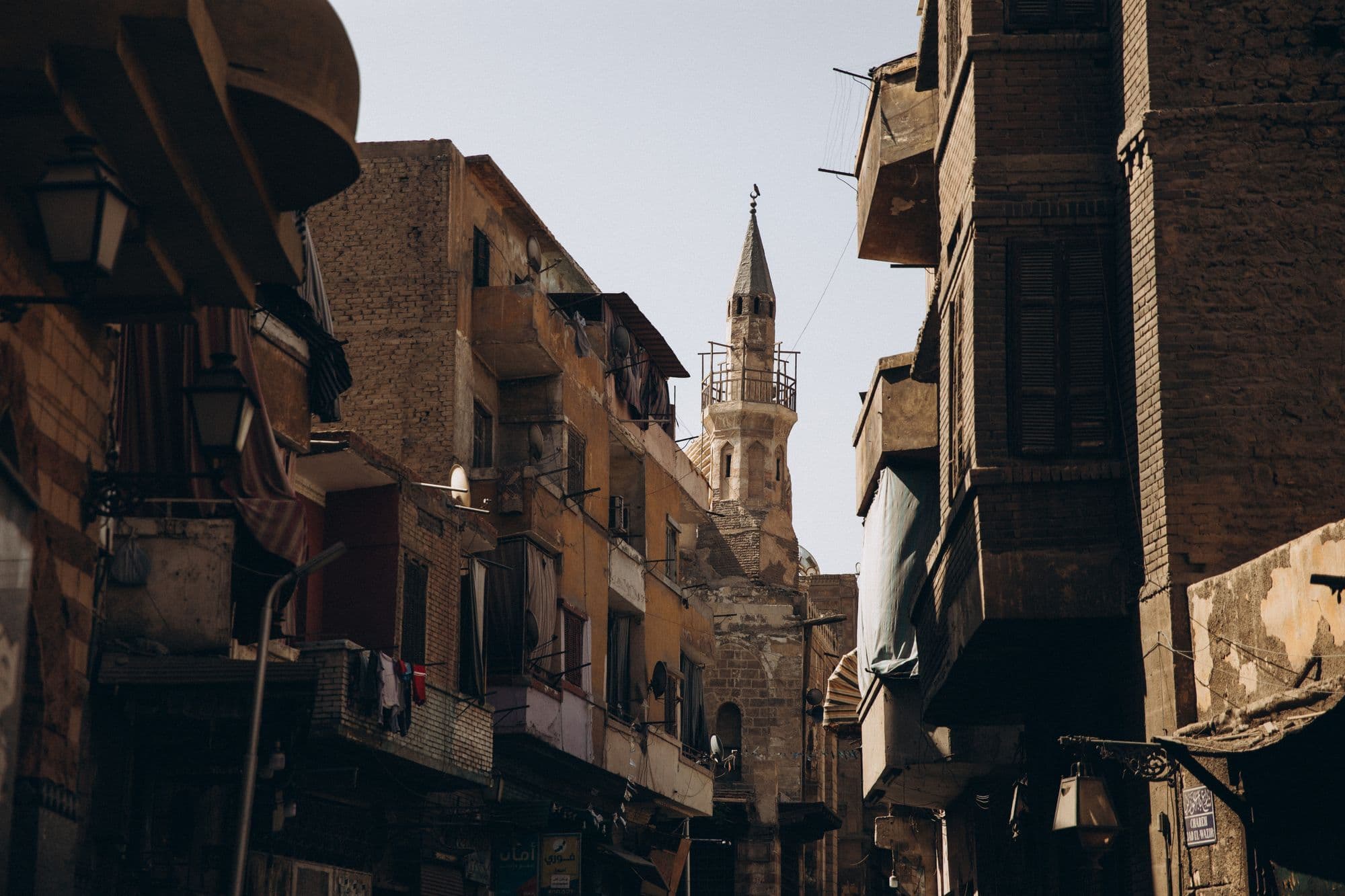
- The law on paper. Prosecutions run under Law 10 of 1961, which criminalizes "debauchery", and Penal Code provisions on indecency. The Human Dignity Trust gives a maximum of three years and a fine, though the Egyptian group Bedayaa reports sentences of up to six years. Only men are criminalized.
- How it is enforced. Human Rights Watch's 2023 report on digital targeting documented security forces in Egypt and elsewhere creating fake profiles on Grindr and Facebook to entrap gay men, and illegal searches of phones after arrest. Its 2026 World Report says Egyptian authorities still use "debauchery" provisions to imprison LGBT people.
- Daily reality. The UK's Egypt advice says there is little public acceptance of same-sex relationships, that couples showing affection are likely to attract negative attention, and that some travelers have been arrested and imprisoned for sharing sexual content online.
Egyptian hotels routinely accommodate friends and colleagues sharing rooms, and Egypt Tours Plus notes that many assume separate beds for same-gender bookings unless asked. A twin room in an international chain is the low-friction option. Our Cairo guides can tell you which neighborhoods and venues are relaxed.
Is being gay illegal in Sri Lanka?
Yes, on paper: Sri Lanka's Penal Code still criminalizes same-sex activity between men and between women. In practice the UK government says it is not aware of any prosecutions, but local LGBT people continue to report arrests and harassment.
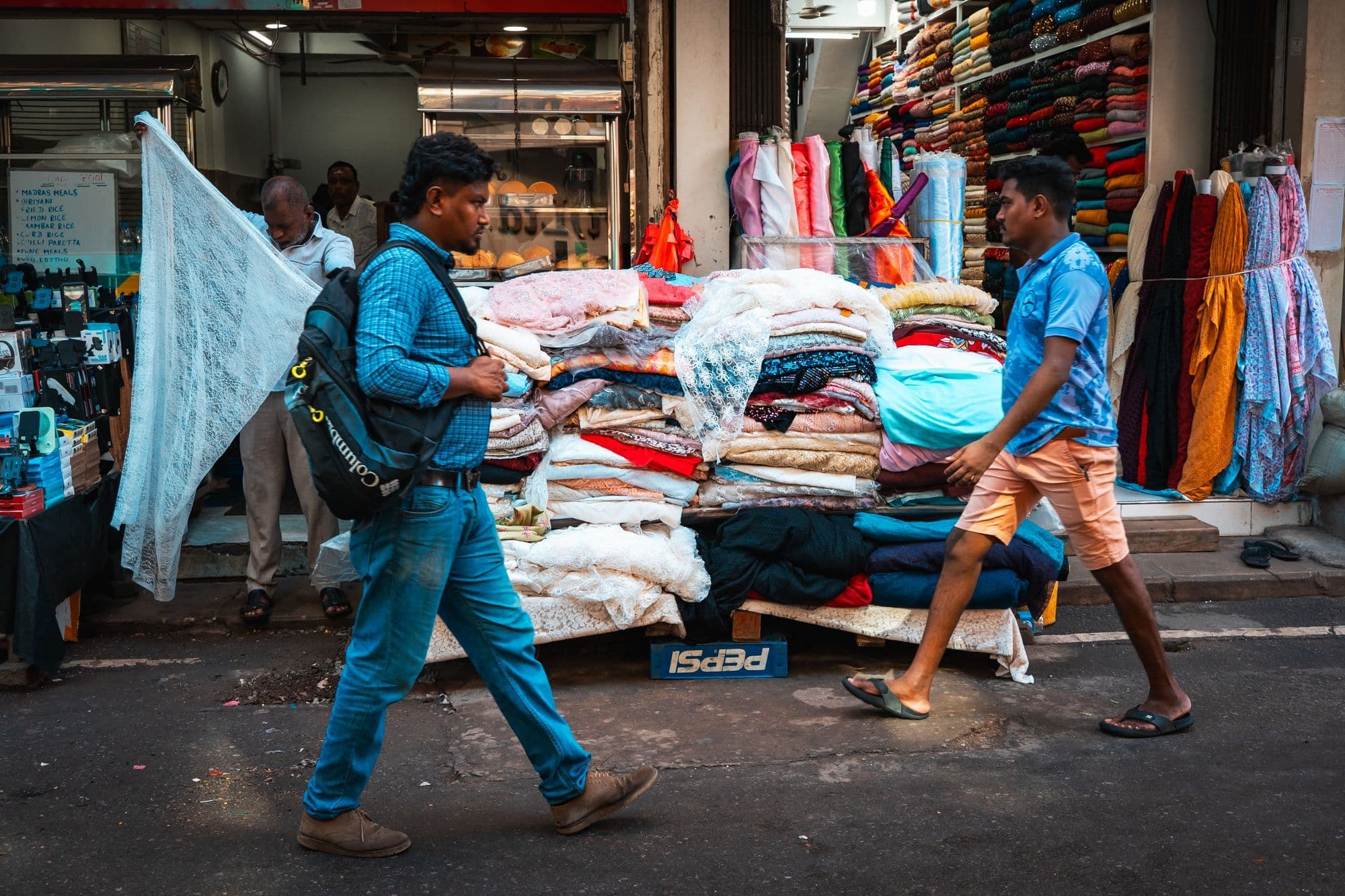
- The law on paper. Sections 365 ("carnal knowledge against the order of nature") and 365A ("gross indecency") of the 1883 Penal Code, inherited from British rule, carry up to ten years in prison and a fine, according to the Human Dignity Trust.
- How it is enforced. Civil-society reports describe numerous arrests of local LGBT people each year, and trans people are targeted under vagrancy and impersonation laws. In May 2023 the Supreme Court found that a private member's bill to decriminalize was consistent with the Constitution, but Human Rights Watch's 2026 World Report confirms the Penal Code still criminalizes same-sex conduct.
- Daily reality. The UK's Sri Lanka advice says simply that same-sex activity is illegal but that it is not aware of any prosecutions. Public affection is unusual for any couple, so the same discretion you would show at a temple works everywhere.
Sri Lanka also took a first step in 2024, when the Women Empowerment Act became the first Sri Lankan law to mention non-discrimination on grounds of sexual orientation. Equal Ground, a Sri Lankan LGBTIQ rights organisation, tracks what changes next. Our guides work in Negombo, Colombo and Kandy.
Dating apps where homosexuality is illegal
Dating apps are where most of the legal risk sits for a visitor in all three countries. Police in Egypt have used fake profiles to arrange meetings and then arrest the men who turn up, and Human Rights Watch also documented extortion gangs using the same tactic to blackmail their targets.
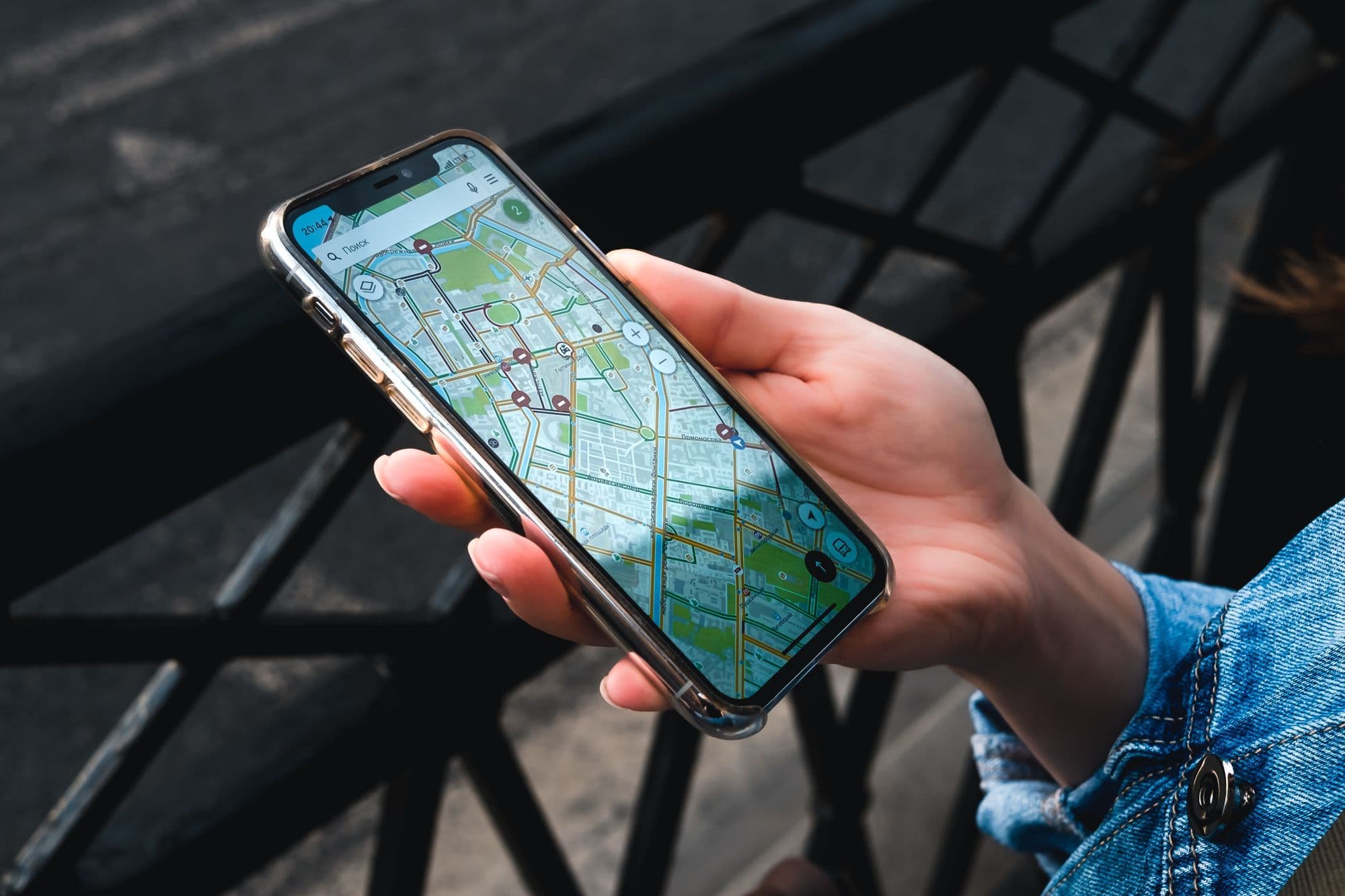
Australia's Smartraveller puts it plainly: in places where LGBTQIA+ people are persecuted, authorities may monitor LGBTQIA+ websites and apps and create fake profiles to entrap people, and criminals target LGBTQIA+ travelers knowing the crime may be hard to report. The UK adds that in Morocco, using dating apps may also break laws on sex outside marriage.
- Safest option: do not use them while you are there.
- If you do: never meet at a private address first, never share photos that could identify you, and be wary of anyone who pushes to meet quickly or suggests somewhere you do not know.
- If you are threatened or blackmailed: do not pay, keep the messages, and consider asking your embassy for advice before you report it locally. HRW found that some people who reported extortion were arrested themselves.
What is on your phone, and why it matters
Assume your phone could be searched. Human Rights Watch documented illegal phone searches after arrests in Egypt, and the UK's Egypt advice warns that travelers have been imprisoned over content of a sexual nature shared on social media.
- Log out of dating apps and delete them before you land, or travel with a second phone.
- Turn off message previews on your lock screen and use a strong passcode rather than face unlock alone.
- Check what your public social profiles say about you, as Smartraveller recommends.
- Keep anything you would not want read off the device or out of reach of a casual search.
None of this is about hiding who you are at home. It is about not handing a stranger, or an official, a reason to look further.
Travel with someone who knows the ground
Our guides in Morocco, Egypt and Sri Lanka are ID-checked and manually approved before their profiles go live. Book 4, 6 or 8 hours, and message your guide once the booking is confirmed and paid.
Meet local guidesWhat to do if police stop you, and what your embassy can do
Stay calm, be polite, carry a copy of your passport, and ask to contact your embassy if you are detained. Do not sign anything you cannot read, and do not offer a bribe.
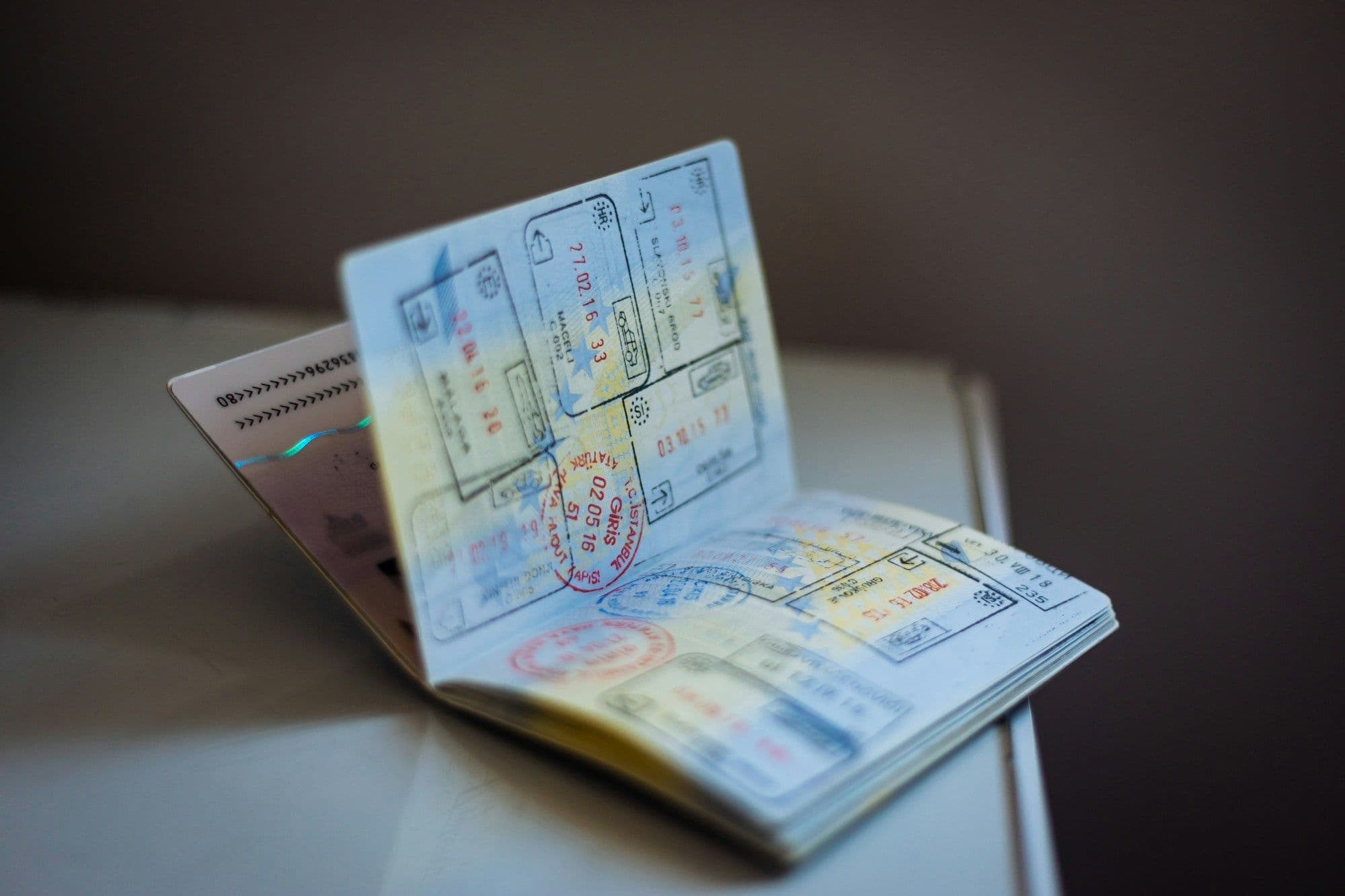
Know what consular help is before you need it. The UK's guidance on being arrested or detained abroad is a good summary of what all three governments offer:
- Your embassy can: contact you and keep in touch, check on your health and welfare, contact your family if you want, tell you about organisations that can help, and raise concerns if you are mistreated or denied access.
- Your embassy cannot: get you out of prison, pay for lawyers, interpreters or fines, give legal advice, or interfere in the local justice system.
Australia's Smartraveller says the same in one line on its arrested or jailed overseas page: it cannot get you out of trouble or out of jail. Its 24-hour Consular Emergency Centre is on +61 2 6261 3305 from overseas. Americans should read the State Department's page on arrest or detention abroad.
Why a vetted local guide matters most in places like these
A good local guide is most useful exactly where the rules are unwritten. They know which hotels, restaurants and neighborhoods are relaxed, how to read a situation, and how to deal with a tout or a police check calmly and in the local language.
On Rainbow Tour Guides, every guide is ID-checked and manually approved before their profile goes live; that is an identity check, not a criminal background check, as our page on how guides are verified explains.
Your own profile is never public, and chat with a guide opens only once a booking is confirmed and paid, which our page on discretion and privacy sets out in full. Keep payments and arrangements on the platform too; see scams and off-platform payments for why.
On the day, meet in a public place and tell someone where you are going, as our stay-safe checklist suggests. For the wider mindset, read LGBTQ+ travel safety without fear-based planning and how to plan a safer city trip without overplanning.
Before you go
- Read your government's country page for the latest LGBTQ+ line, and note its date.
- Clean up your phone and decide before you land whether you will use any dating app.
- Book rooms that are clear about their welcome, and confirm twin or double when you book.
- Save your embassy's emergency number and carry a copy of your passport.
- Plan your first day with a local who can show you how the city works.
Traveling to a country with these laws is not an act of defiance or a risk to be dramatized. It is ordinary travel with a few extra habits, and with them, Marrakech, Cairo and Kandy are every bit as rewarding as their reputations. If you are traveling alone, our guide to arriving solo with confidence adds the rest.
Plan your trip with a local
Browse ID-checked local guides in Marrakech, Casablanca, Cairo, Negombo, Colombo and Kandy, book with the price locked at request, and message them once your booking is confirmed.
Browse citiesFrequently asked questions
Is it safe to travel to Morocco as a gay couple in 2026?
Yes, for most visitors who keep affection private and avoid dating apps. Same-sex acts are illegal under Article 489 of the Penal Code, with six months to three years in prison, and the law is enforced, mainly against Moroccans. The UK government warns that public affection can lead to prosecution. Choose clearly welcoming accommodation.
Can two men share a hotel room in Egypt?
Yes. Booking a room together is not itself an offence, and two men sharing a twin room is common among friends and colleagues. Many hotels assume separate beds for same-gender bookings unless asked. Egyptian law targets sexual acts and public conduct, so keep affection private, and be especially careful with dating apps and online content.
Is being gay illegal in Sri Lanka?
Yes. Sections 365 and 365A of Sri Lanka's 1883 Penal Code criminalize same-sex activity between men and between women, with up to ten years in prison. In 2023 the Supreme Court found a decriminalization bill constitutional, but it has not become law. The UK government says it is not aware of any prosecutions.
Is it safe to use Grindr in Egypt or Morocco?
It carries real risk. Human Rights Watch documented Egyptian security forces using fake Grindr and Facebook profiles to entrap and arrest gay men, and extortion gangs using the same tactic. The UK warns that apps carry legal and safety risks in Morocco. The safest choice is not to use dating apps while you are there.
What can my embassy do if I am arrested abroad?
Your embassy can contact and visit you, check on your welfare, contact your family, tell you about organisations that can help, and raise concerns about mistreatment. It cannot get you out of prison, pay legal fees or fines, give legal advice, or interfere in the local courts. Save your country's emergency consular number before you travel.
How do I check LGBTQ+ laws before I travel?
Use three sources: the ILGA World Database for the law itself, the Human Dignity Trust's country profiles for recent enforcement, and your own government's travel advice for what it means for visitors. The UK, US and Australian governments all publish LGBTQ+ guidance and a local-laws section for every country. Check the date on each.