To plan a safer LGBTQ+ city trip without overplanning, make five decisions before you fly and leave the rest open. Check the law and the local mood. Pick a base near the nights you want. Save your arrival and your route home. Set your dating-app rules. Then script the first day and nothing after it.
Most trip anxiety lives in the gaps between those decisions. In Lisbon the metro stops at 1 AM and the Príncipe Real clubs run until dawn, so a room "close to the center" on the wrong hill turns the last hour into a long climb or a surge-priced ride. Fix that once at booking and forget it.
These are the questions our city guides answer for every destination, boiled down so you can run them yourself in about an hour. Legal figures and government advice were checked in September 2026. For what a checklist can't cover, browse our local guides.
What does a safer trip actually mean for gay travelers?
It means removing the few avoidable risks that come with being queer abroad, then getting on with the trip. For most cities gay travelers pick, the list is short. For a handful of countries, it is the reason to choose somewhere else.
The legal map is uneven and still moving. ILGA World's June 2026 data counts 65 UN member states that criminalize consensual same-sex acts, seven of them with the death penalty on the books, and 37 plus Taiwan with marriage equality. Burkina Faso criminalized same-sex acts for the first time in 2025. Saint Lucia decriminalized in 2026.
Law is only half of it. The UK Foreign Office advises researching cities and rural areas separately, because attitudes inside one country differ sharply.
Safety planning is not about fear. It is about removing the avoidable friction so your attention goes to the city.
How do I check LGBTQ+ laws and attitudes before I book?
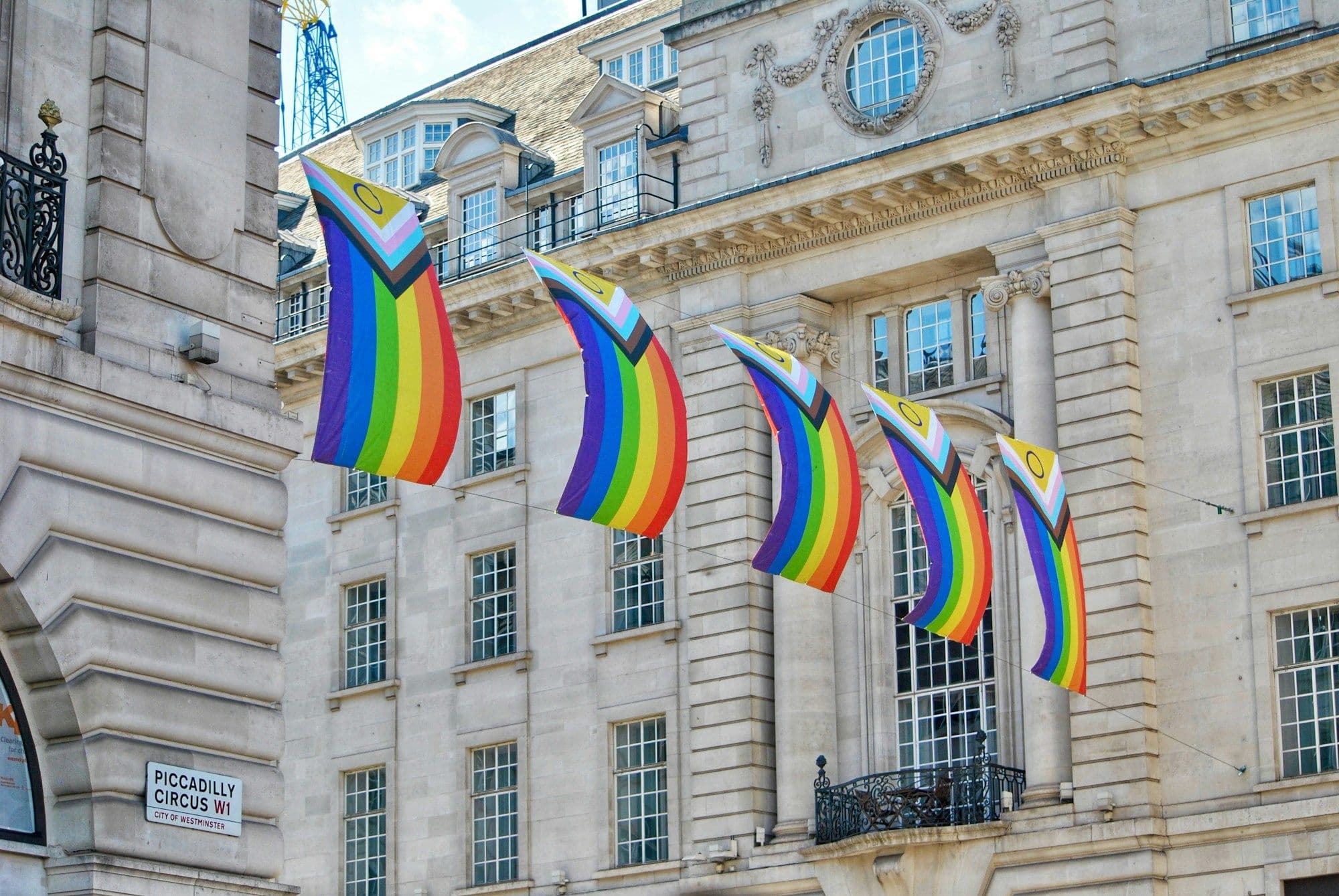
Use three sources, in this order. Twenty minutes is enough for most destinations.
- The law. The ILGA World database lists each country's position with the legal text behind it. For Europe, ILGA-Europe's Rainbow Map scores 49 countries on 76 criteria. The May 2026 edition put Spain first at 89%, ending Malta's ten years at the top.
- Your government's advice. In the UK, read the LGBT+ foreign travel advice, then the destination's page under foreign travel advice. US travelers should read the State Department's gay and lesbian travelers page and enroll in the free Smart Traveler Enrollment Program, which sends embassy alerts and helps the embassy reach you in an emergency.
- The street. A gay city guide updated in the last year tells you what the law can't: where the bars are, how the area feels at midnight, what changed this season. Our Bangkok and Lisbon guides show the level of detail to look for.
On medication, the Foreign Office flags HIV treatment and hormone therapy: confirm yours is legal to bring in, and carry it in hand luggage with the prescription.
Which neighborhood should I stay in as a gay traveler?
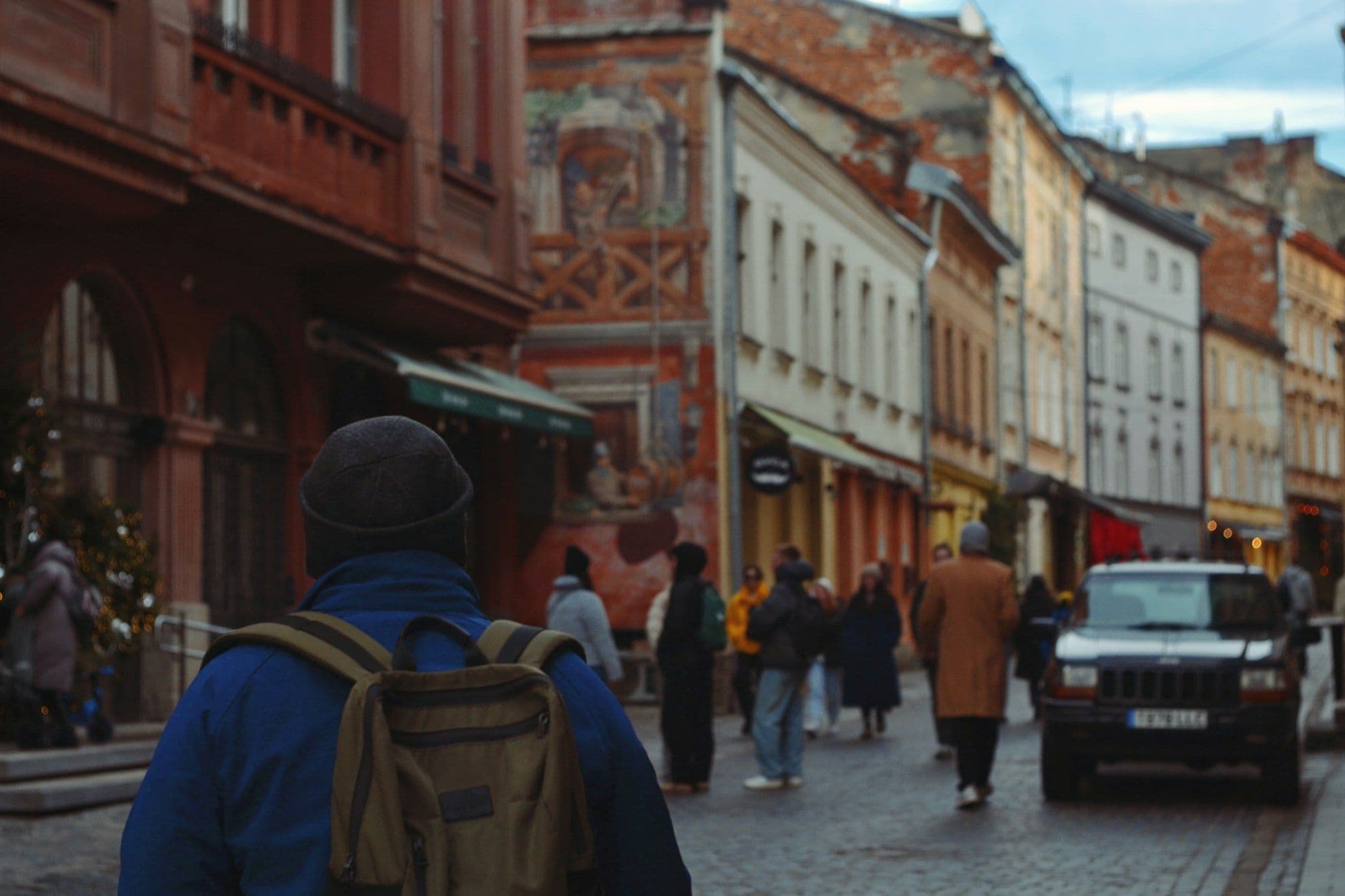
Stay where your nights are, or one direct transit line from them. That one choice does more for your safety than anything you pack.
Work backwards from the end of the night. In Bangkok the Silom Soi 4 bars and Soi 2 clubs are two minutes from BTS Sala Daeng, so a Silom or Sathorn room gets you home at 3 AM on foot. In Lisbon, a room on Príncipe Real or Bairro Alto beats a cheaper one across town.
Before you pay, check four things on the listing:
- Walking time from the door to where you will be at 1 AM, measured on a map, not the listing's "minutes to the center"
- Late arrival: a 24-hour front desk, or a self check-in code that works at 3 AM
- Recent reviews: skim the last few months for noise, the street at night, and how couples were welcomed if you are traveling together
- The first night booked before you fly, even if you plan to move later
The cheapest room is rarely the saving it looks like. A couple of late taxis a night erase the difference, and add the one part of the evening you can't control.
How do I plan my arrival and my route home at night?

Land in daylight when fares allow, and save the route from the airport to your bed before you board. A night arrival is fine. A night arrival with a dead phone and a ticket machine you can't read is not.
Do these five things once, before the flight:
- Download an offline map of the city and your route from the airport or station.
- Find out when the last train runs and which ride-hailing app works there. In Lisbon the metro runs 6:30 AM to 1 AM and Bolt or Uber cover the rest; in Bangkok it is Grab or Bolt once the Skytrain stops.
- Save the emergency number. 112 is free across the EU from any phone, alongside national numbers; outside Europe, look it up for your country.
- Save your embassy's address and phone number. The UK Foreign Office promises LGBT+ travelers its consular staff "will not make generalisations, assumptions or judge you".
- Send your first-night address to one person at home.
How do I use dating apps safely when I travel?
Set them up before you land, then treat the first meeting like any first date in an unfamiliar city: a public place, your own way home, and someone who knows where you are.
In some countries the risk is bigger than a bad date. The UK Foreign Office warns that entrapment campaigns may target LGBT+ people, "including through popular dating apps". Grindr classifies countries by risk. In higher-risk places it sends safety alerts, makes screenshot blocking and unsending free, and in active emergencies disables Show Distance. Anywhere, you can disguise the app as a notepad or clock with its discreet icon.
Our rule of thumb: where same-sex acts are legal and the scene is open, use the apps the way you do at home, with a public first meeting. Where they are criminalized, meet people through bars, events and people you trust, and leave the app closed.
How much should I plan? Script day one, leave the rest open
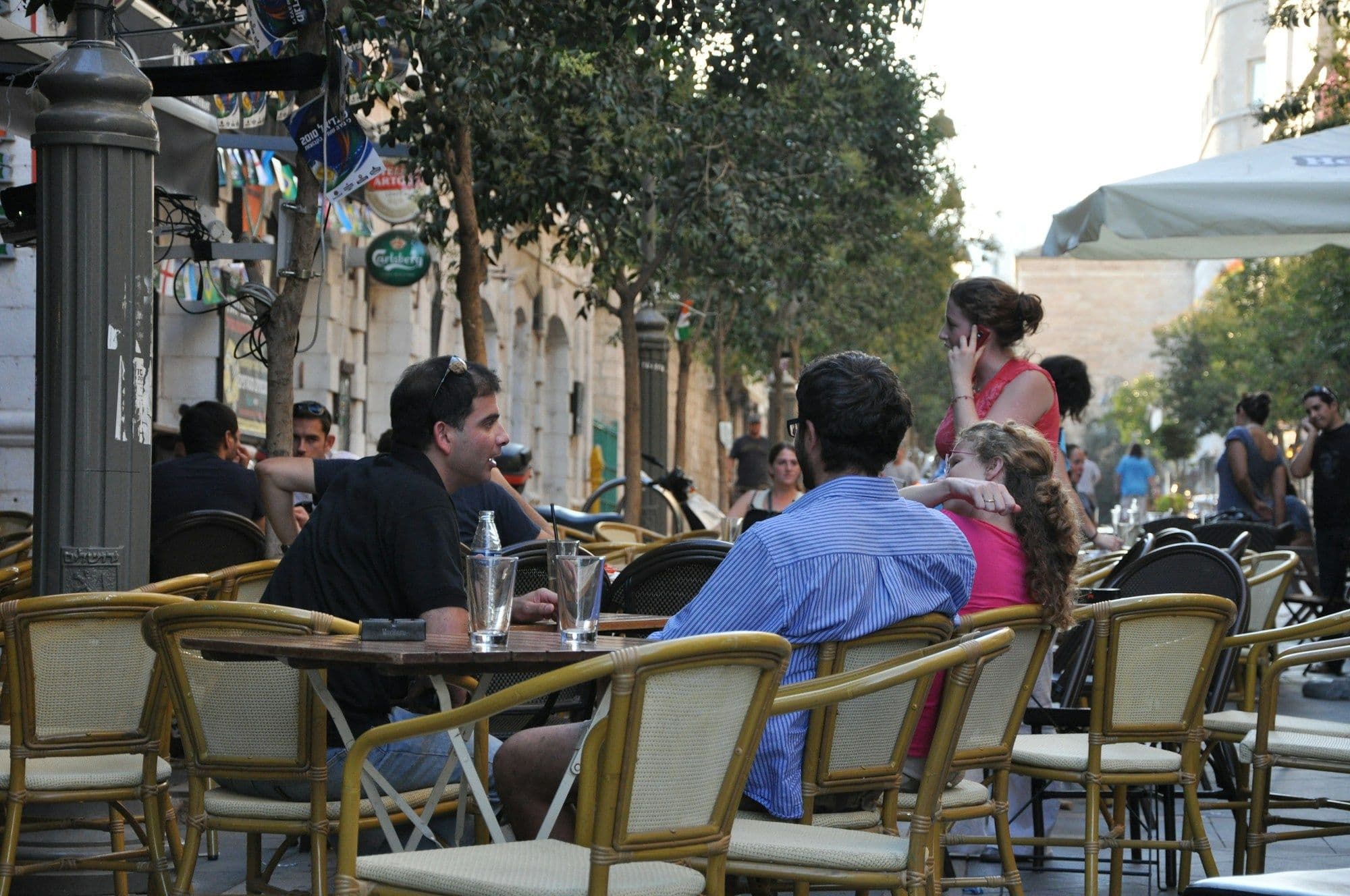
Plan the first day in detail and the rest in outline. Day one is when you are tired and least oriented, which is when bad calls happen. By day two you know the streets, and saying yes to whatever turns up is the point of being there.
A good first day has this shape:
- A simple arrival route, with a backup if the train is down
- One anchor activity close to where you are staying
- An easy dinner, booked or within ten minutes' walk
- A short early-evening walk through the area you will go out in later, so you see it before the crowd
- An early night, unless the city gives you a very good reason not to
For the rest of the trip, keep three or four anchors: one museum, one dinner reservation, the one night out you really came for. Leave the gaps. They fill with the bar someone mentions and the neighborhood you didn't know to look for.
The quickest way to fill them well is to ask someone who lives there. That is what a local queer guide adds to your first day: context a search result can't give you, at your pace.
Skip the guesswork on day one
A local LGBTQ+ guide answers the questions this article can only generalize about: which street, which bar, which way home. Browse profiles and request a booking with someone whose interests fit yours.
Meet local guidesBefore you go
- Check the law, then the city. ILGA World and your government's LGBT+ page first, a recent gay city guide second.
- Book the base for the nights. Walking distance, or one direct line, from where you will be at 1 AM.
- Save the route home. Offline map, last-train time, the ride app that works there.
- Set your app rules on the plane. Public first meetings; in higher-risk countries, leave it closed.
- Script day one only. Three or four anchors for the rest, and room for the thing nobody told you about.
Most cities gay travelers love are easy places to be out. An hour of this before you fly buys you the freedom to wander into the bar nobody mentioned. Going for Pride? Our first-timer's Pride weekend guide covers the extra planning a festival needs.
Plan your trip with a local
Browse LGBTQ+ guides in the cities we cover. Messaging opens once your booking is confirmed, so you land with a plan and someone to ask.
Browse citiesNew to booking a guide? Start with the first-timer's guide to booking a gay tour guide.
Frequently asked questions about planning a safer LGBTQ+ trip
How do I know if a country is safe for gay travelers?
Check three things. The law, in the ILGA World database. Your government's LGBT+ travel advice and the destination page. And a recent city guide written for gay travelers, which shows how the specific city feels day to day. A country can be legally safe but conservative outside its capital, or restrictive on paper with an open scene in one city.
How many countries criminalize being gay?
According to ILGA World's June 2026 data, 65 UN member states criminalize consensual same-sex sexual acts, and seven of them prescribe the death penalty. The number changes: Burkina Faso criminalized for the first time in 2025, while Saint Lucia decriminalized in 2026. Check the ILGA World database for your destination before you book.
Is it safe to use Grindr when traveling abroad?
In countries where same-sex relationships are legal and the scene is open, generally yes, with the usual rules: meet first in a public place, get yourself home, tell someone where you are. The UK Foreign Office warns that entrapment through dating apps happens in some countries. Grindr disables distance in active emergencies and offers a discreet app icon.
Should gay couples avoid public affection when traveling?
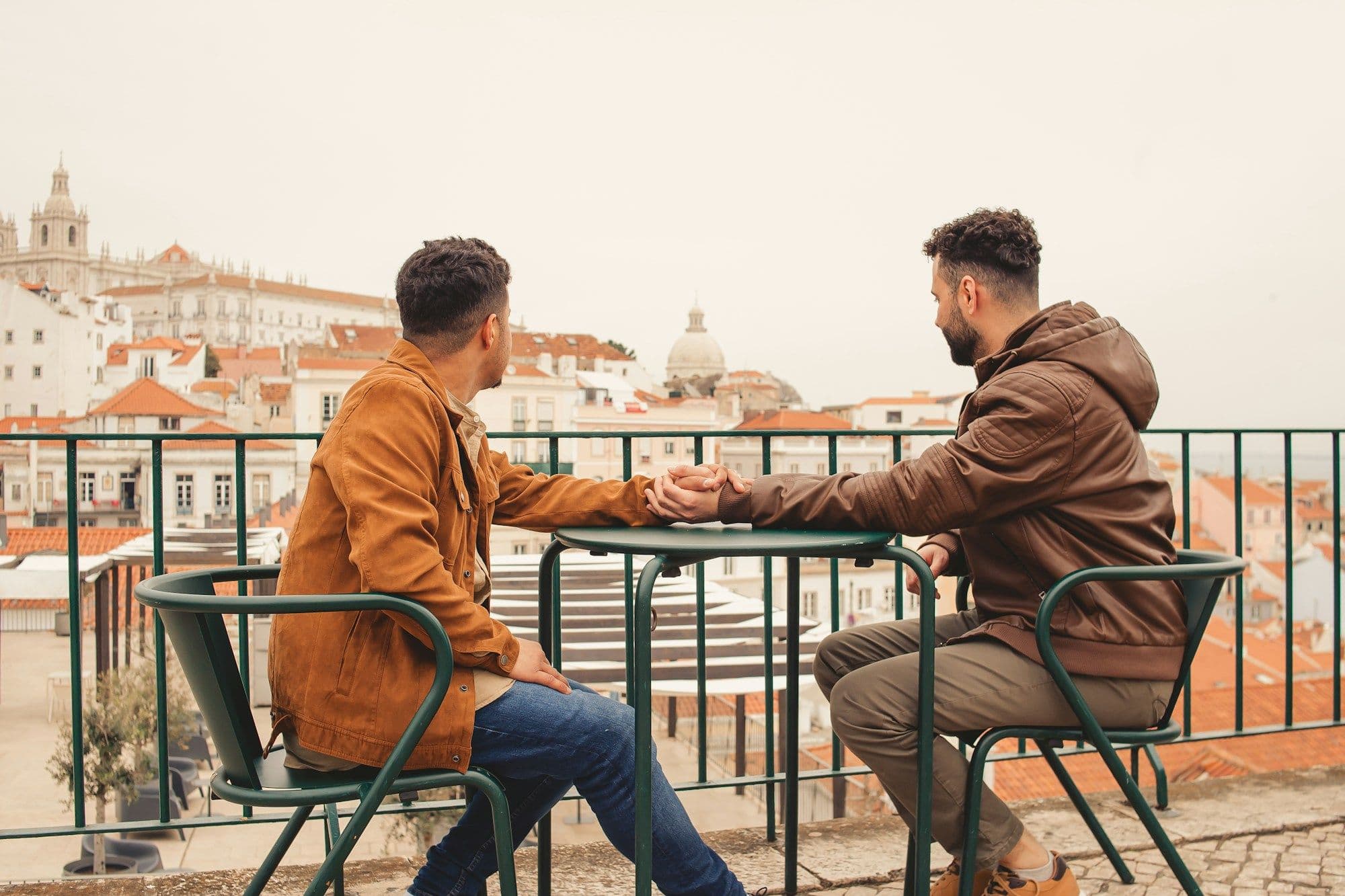
In cities with marriage equality and an established scene, such as Lisbon or Bangkok, holding hands draws little attention. Elsewhere, the UK Foreign Office notes that public affection can attract unwanted attention, so take your cue from how local couples behave. That is a judgment about one street at one hour, not about your relationship.
What should I do if I am harassed or arrested abroad?
Move somewhere safe first, then call the local emergency number: 112 works free across the EU. If you are detained or need help, contact your embassy or consulate; the UK Foreign Office says its staff will not judge LGBT+ travelers. US citizens enrolled in the State Department's STEP program can also be reached by the embassy in an emergency.
How far ahead should I plan an LGBTQ+ city trip?
Book flights and your first nights as soon as the dates are fixed, especially around Pride, when rooms near the gay areas sell out months ahead. Spend about an hour on the law, your base and the route home. Then stop. Script the first day and leave the rest open for local recommendations.