
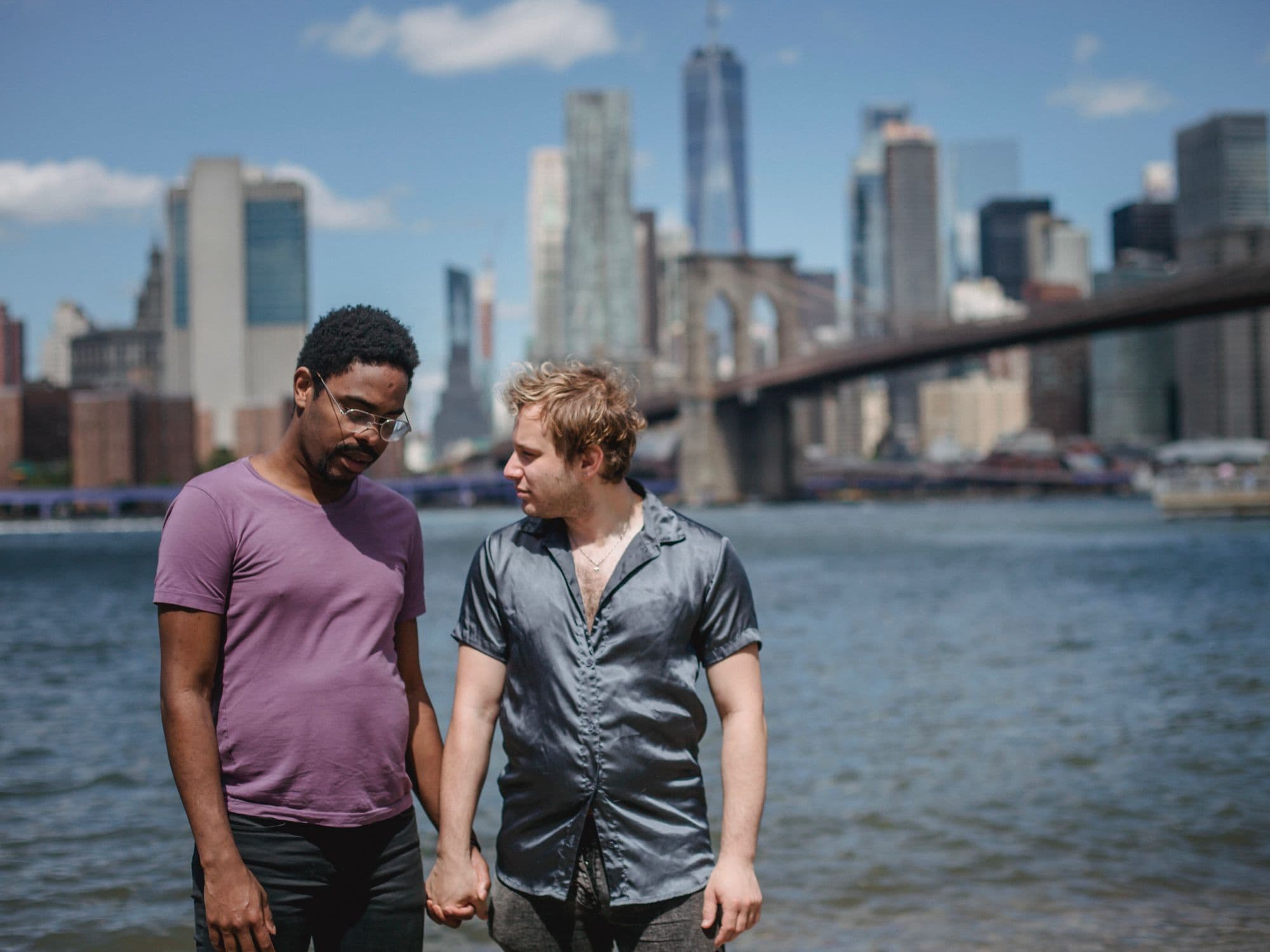
LGBTQ+ travel safety without fear-based planning means doing enough research to make informed choices, then letting the city breathe. Check the law and the local mood, arrange your first night and route home, decide what privacy you need, and leave the rest open for dinners, detours and new people.
The aim is to remove the few things that can spoil a trip, so you are free to enjoy it. A useful plan gives you options. It does not tell you to hide or spend a week rehearsing disasters.
This is the gentler companion to our detailed safer LGBTQ+ city-trip checklist. Sources and travel guidance were checked in September 2026.
Does LGBTQ+ travel safety have to be fear-based?
No. LGBTQ+ travel safety is about proportion, not restriction: learn the rules that apply where you are going, make a few reliable arrangements, and respond to the place in front of you. The UK government's LGBT+ travel guidance makes the useful distinction: laws and attitudes can differ between cities, neighborhoods and rural areas within the same country.
Do enough planning to stay in charge of your choices. Do not let planning take the trip away from you.
What should I research before booking an LGBTQ+ trip?
Research three layers before booking: the law, official travel advice and current local life. Start with ILGA World's current maps, updated in May 2026, then read your government's country-specific advice.
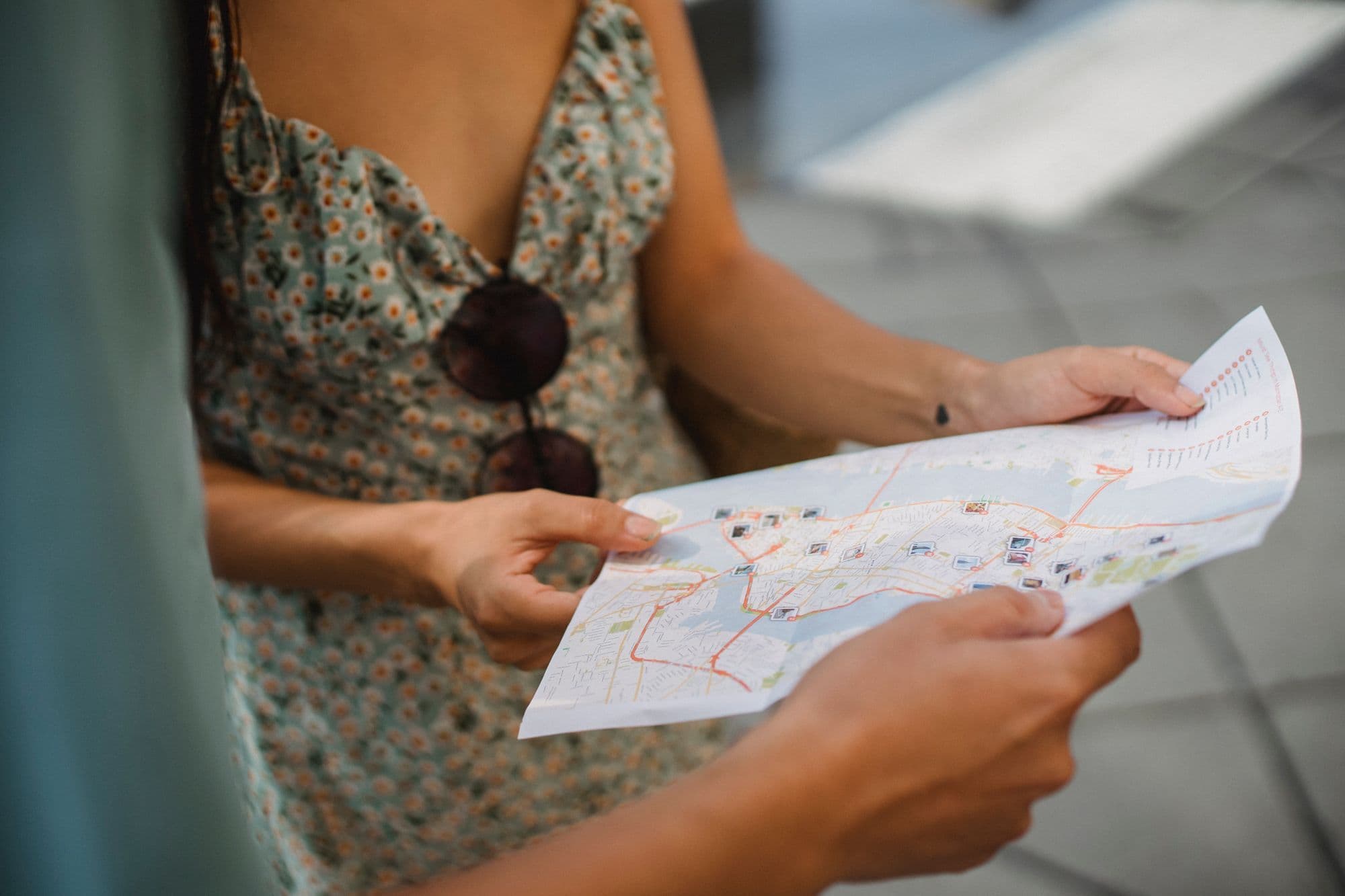
Finish with a current local source: a queer venue calendar, community organisation, Pride organiser or updated city guide. Our Bangkok and London guides show the difference between a legal headline and the route home after a night out.
Stop when those sources agree. A long thread or ten-year-old horror story can be information, but it is not a plan. If official guidance identifies a serious risk, choose a different trip. Otherwise, move to the useful questions.
How do I decide what to share or show while traveling?
Let the local setting, not a blanket rule, guide what feels comfortable. Watch how local LGBTQ+ people handle public affection, ask a local organisation or guide, and choose the places where you relax. Do not decide you must be invisible everywhere.
For trans and gender-diverse travelers, document requirements can be a separate part of the picture. The US State Department's LGBTQI+ travel page notes that many destinations recognise only male and female sex markers in passports. Check your documents early and allow extra time at arrival.
How do I make a night out safer without making it dull?
Make the last hour easy before you start the first. Know your accommodation, the last train or ride-hailing option, and where you will meet a friend if your phone dies. Keep a backup payment method separate from your phone.
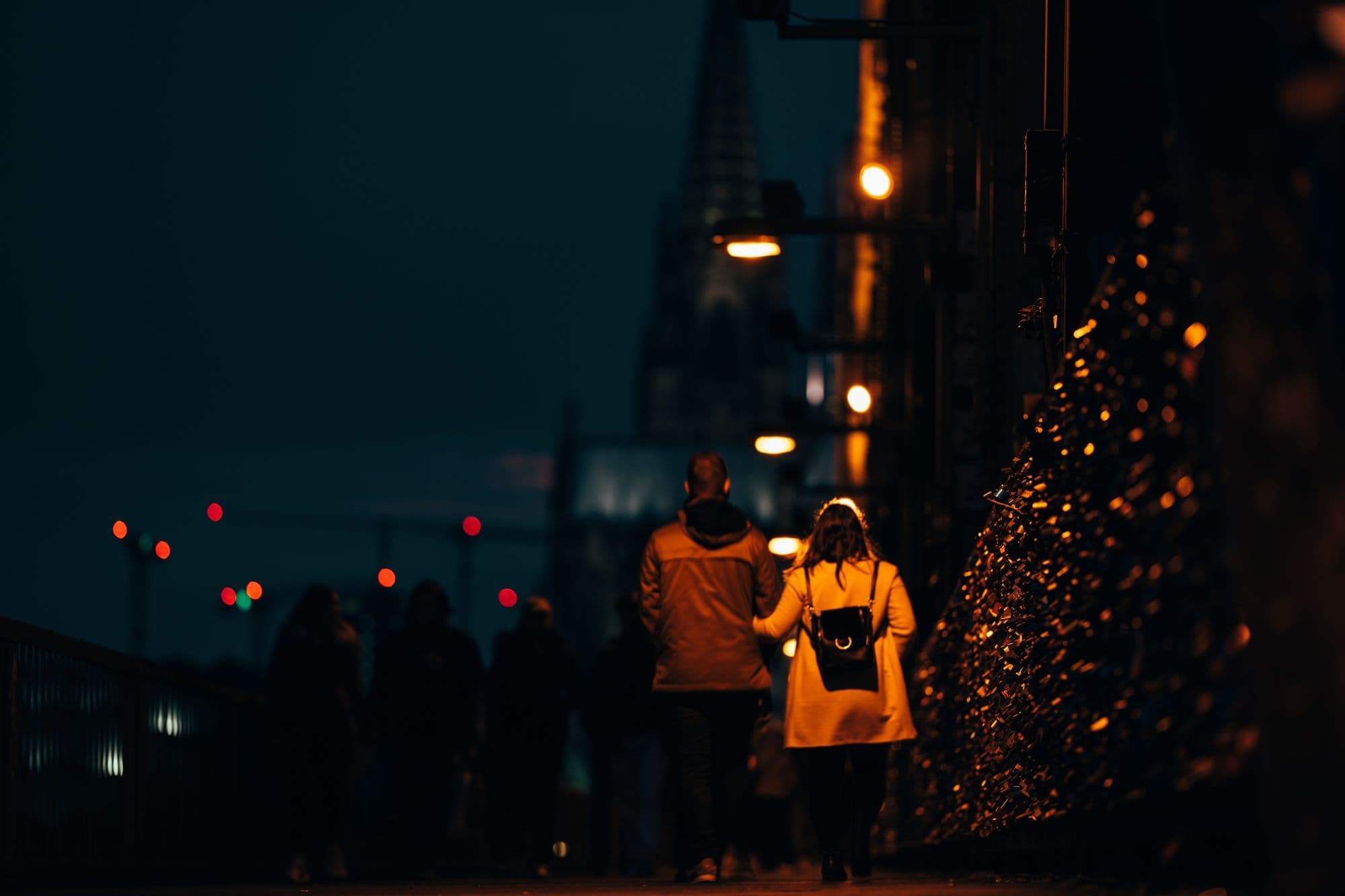
You can still follow a midnight bar recommendation. Our queer nightlife etiquette guide covers entering a new scene.
Are dating apps safe for LGBTQ+ travelers abroad?
Dating apps are a personal choice, and the local legal context should shape how you use them. The UK guidance warns that entrapment campaigns can target LGBTQ+ people through popular apps in some countries. Grindr's own safety guidance also advises travelers to research local laws.
Use the settings that suit the place: disable distance, consider a discreet icon and PIN, and avoid identifying details early. Meet first in public with your own route home. Where the law or official advice indicates a heightened risk, leave the app closed.
What do I do if something feels wrong while I am away?
Get to a safe, public or staffed place first. Contact a friend, accommodation, emergency services or your embassy as needed. Across the EU, 112 is free from fixed and mobile phones; look up the equivalent elsewhere.
You do not need to prove a situation was bad enough before you leave it. Change venues, take a cab or ask a staff member to help. Carry medication in its original labelled container; the CDC advises packing it in carry-on luggage with prescriptions and enough for delays.
When is a local guide more useful than more research?
A local guide helps when the question is personal: which area fits you, how a neighborhood feels after dark, or where to start. That is context, not a promise of safety.
Start with local context
Browse local LGBTQ+ guides when you want a human read on a city, at your pace and around the things you actually want to do.
Meet local guidesIf you have never booked a guide before, our first-timer's guide to booking a gay tour guide explains what the booking process looks like. For choosing a base, use our guide to finding LGBTQ+-friendly neighborhoods, then stop looking once you have made the decision.
Before you travel, what is enough planning?
- Know the context. Check ILGA World, official destination advice and one current local source.
- Protect the first and last mile. Book the first night, save the arrival route and know the route home after dark.
- Choose your boundaries in advance. Set app and privacy preferences before you land.
- Carry what you need. Medication, documents and backup payment should be easy to reach, not all in the same bag.
- Leave space. Plan the parts that keep you independent. Let the rest become the trip.
Preparation should make you more available to the city. It should not become the main thing you remember.
Find your first foothold in a new city
Explore the cities we cover or meet a local guide when you want a little context before you start making the day your own.
Explore citiesFrequently asked questions about LGBTQ+ travel safety
How much safety planning should LGBTQ+ travelers do before a trip?
Check the law, official travel advice, a current local source, your first night and the route home. For most trips, that is an hour or two. If official sources identify a serious risk, act on it. Otherwise, let the plan support the trip.
Is it safe for LGBTQ+ couples to hold hands while traveling?
It depends on the country, city and immediate setting. Check the law and current local advice first, then take cues from the neighborhood and local LGBTQ+ people. In a queer district, ordinary affection may feel entirely unremarkable; elsewhere, choosing more privacy can be a practical response to the setting, not a rule about your relationship.
How can I check whether a destination is LGBTQ+-friendly?
Use three layers: ILGA World for legal context, your government's destination-specific advice and a current local source such as a community organisation, Pride organiser or updated guide. This separates national law from what a particular city or neighborhood feels like now.
Should I use Grindr or other dating apps while traveling?
Decide after you have checked local law and official advice. In places with heightened legal or social risk, leave the app closed. Elsewhere, choose privacy settings deliberately, meet first in public and use your own route home.
What should I do if I face harassment abroad?
Move to a safe public or staffed place, then contact someone you trust, your accommodation, emergency services or your embassy as appropriate. In the EU, 112 reaches emergency services free of charge. You do not need to stay and argue. Leaving is enough.
What medication should I carry when traveling internationally?
Take regular medication, plus extra for delays, in original labeled containers in your carry-on. Carry copies of prescriptions and check whether your destination restricts any medicine before you fly. Checked luggage can be delayed or lost, and some countries limit what travelers can bring.