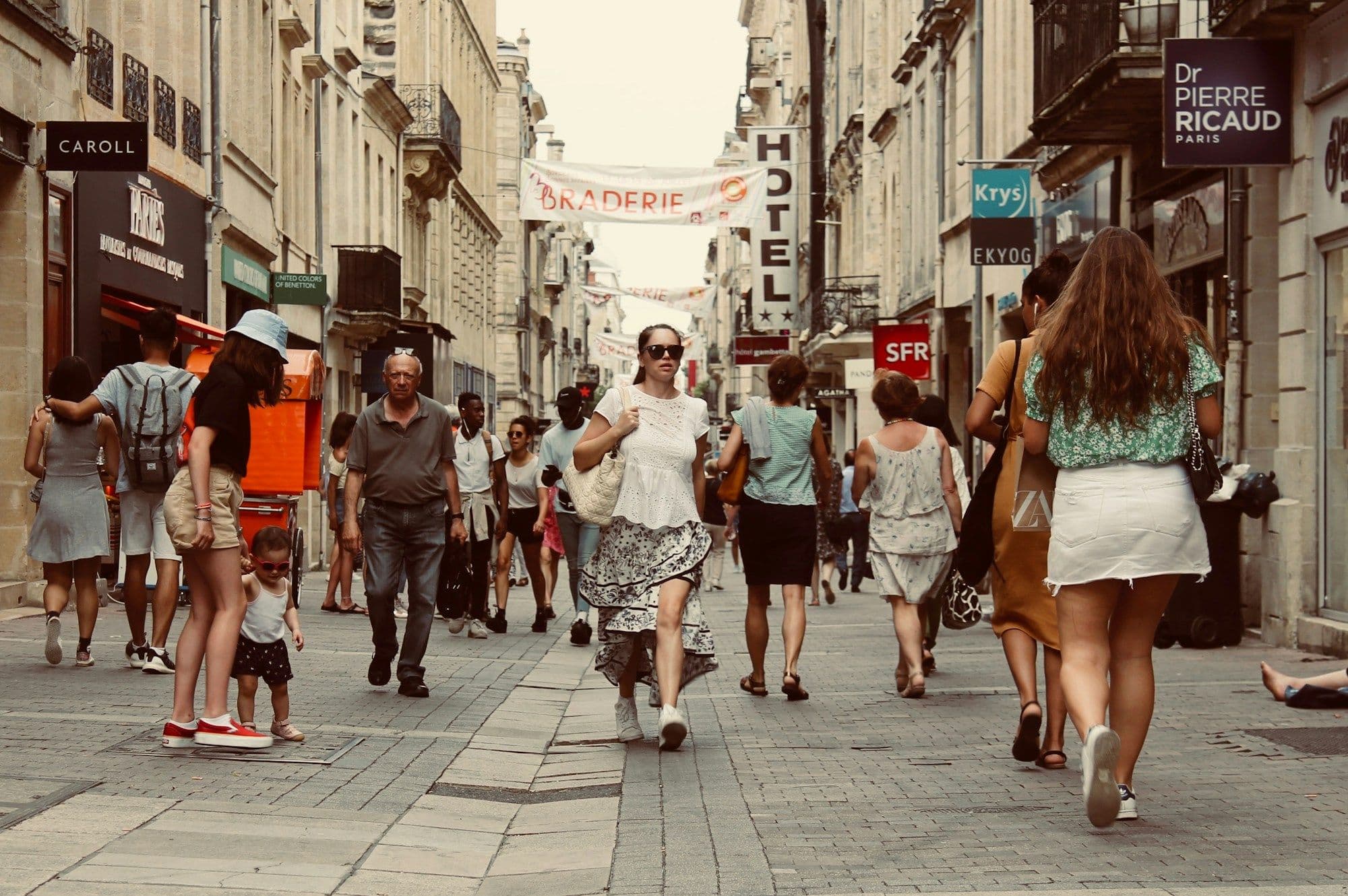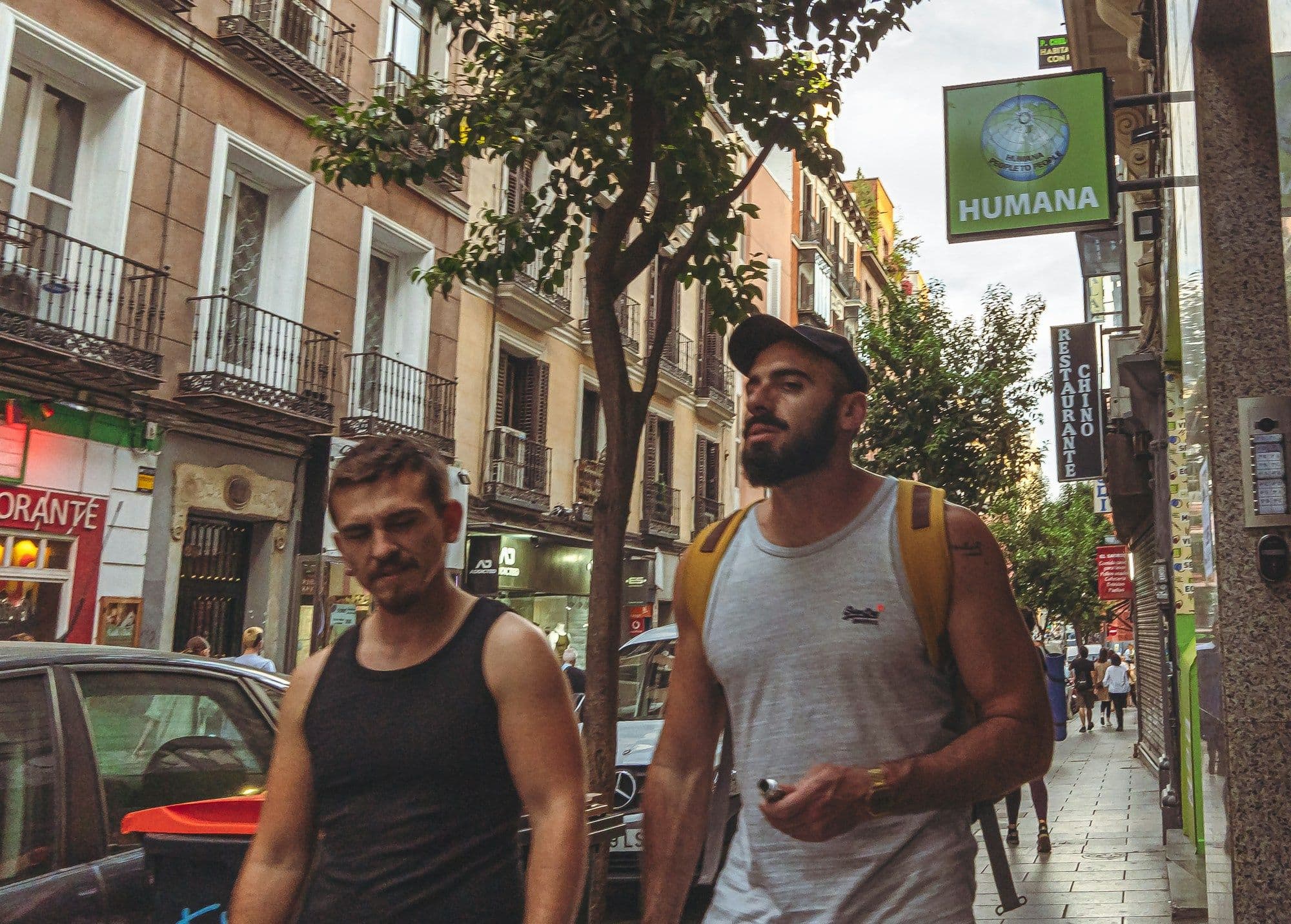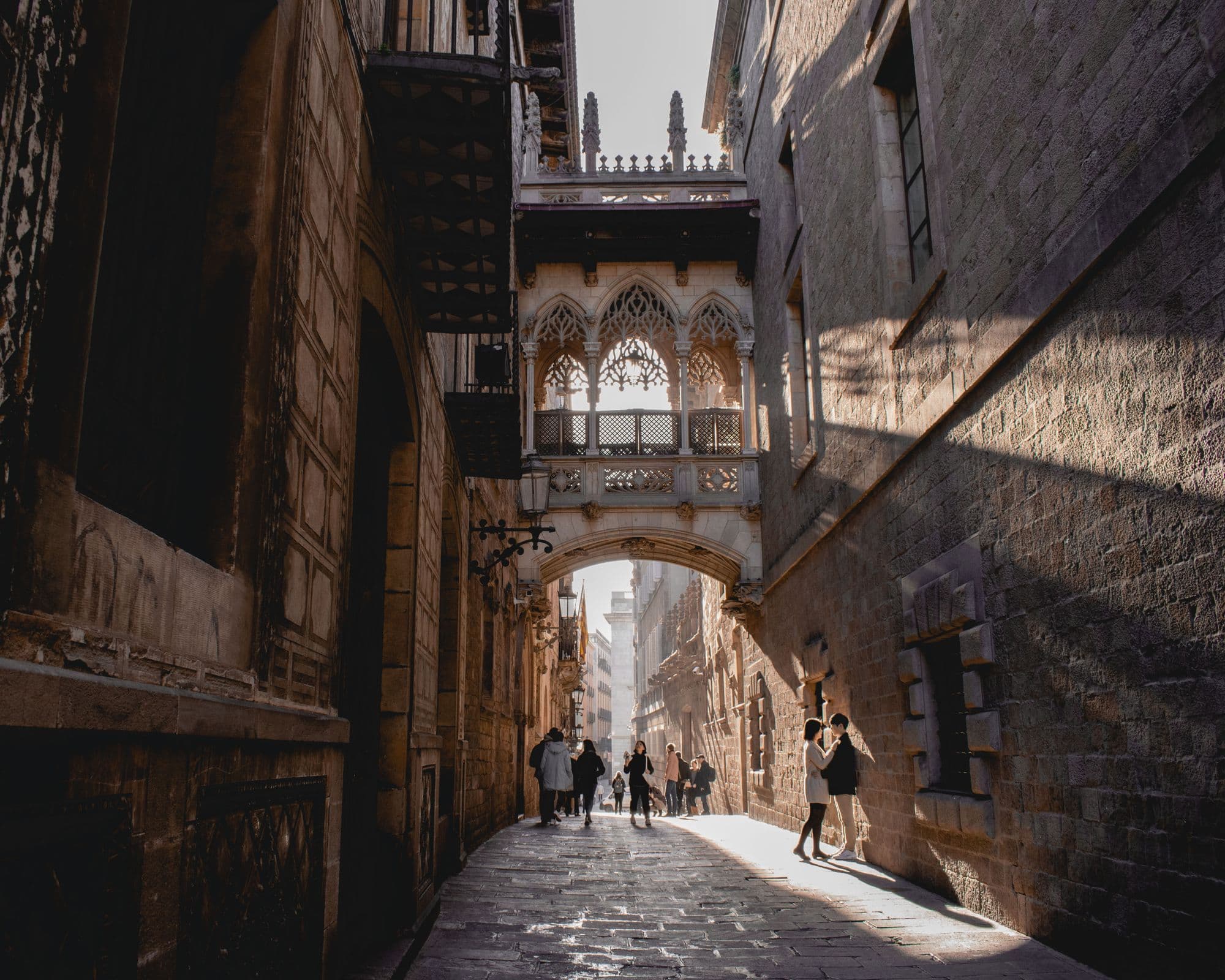
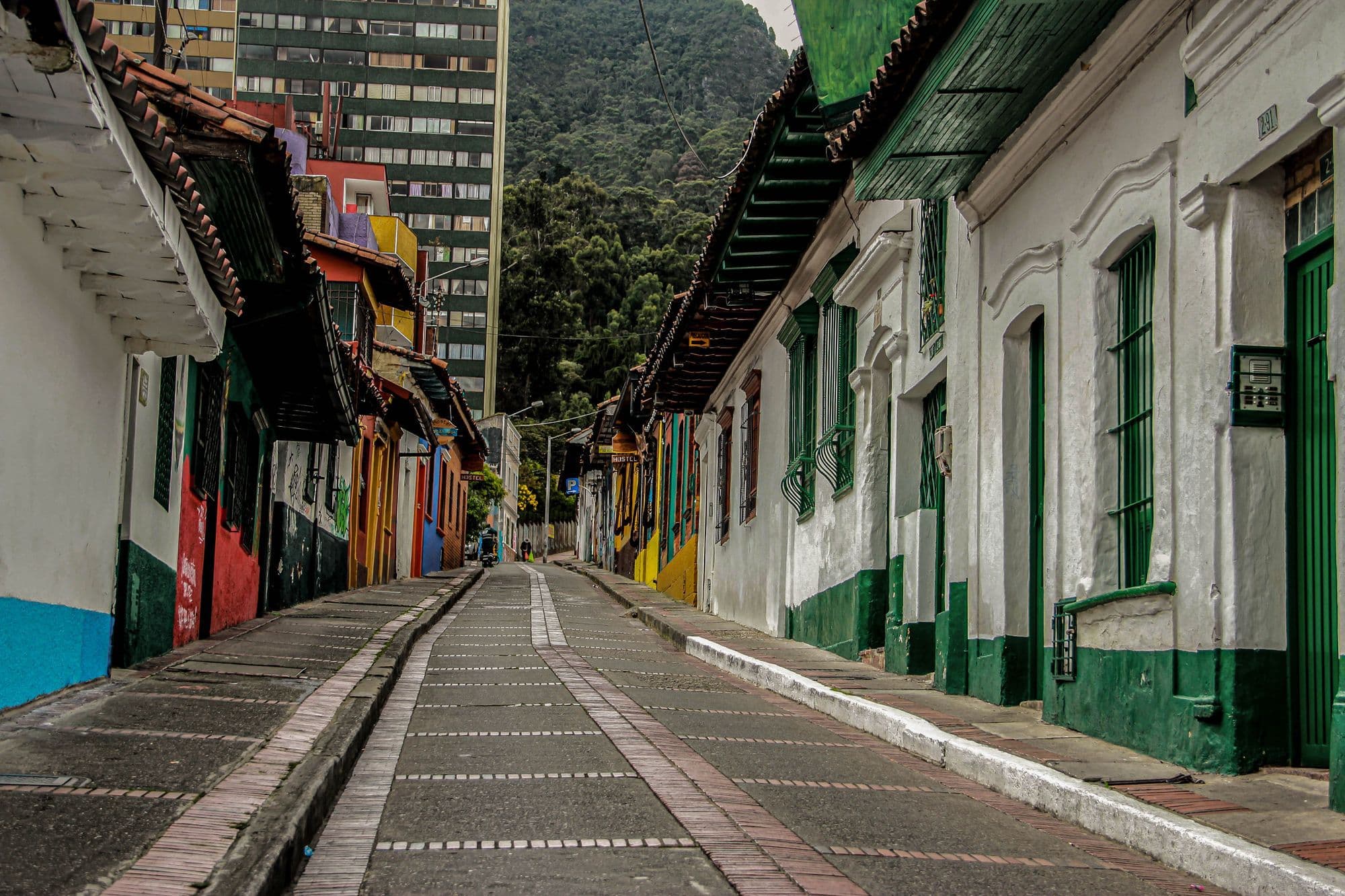
A 10-day Colombia itinerary fits three cities: four days in Bogotá, three in Medellín and three in Cartagena, linked by short domestic flights. Colombia has had same-sex marriage since the Constitutional Court's 2016 ruling, and Bogotá and Medellín have two of South America's liveliest gay scenes. The main safety issue is dating-app crime, not attitudes.
Each city is a different country in miniature. Bogotá is cool, high and intellectual, with museums, bookshops and a huge gay district in Chapinero. Medellín is warm and modern, with cable cars over its hillsides and a party scene in El Poblado. Cartagena is Caribbean, hot and walled, with colonial streets that look like a film set.
This plan covers each stop, the flights between them, 2026 ticket prices and Pride dates, the gay bars worth your night, and how to handle the safety warnings calmly. It was checked in October 2026. Our guides work in Bogotá, Medellín and Cartagena.
How to plan 10 days in Colombia
Fly into Bogotá and out of Cartagena, so you start at altitude and finish on the coast. The three cities are far apart over the Andes, so take short domestic flights rather than long bus journeys: Bogotá to Medellín, then Medellín to Cartagena.
Give Bogotá four days, partly because the altitude, about 2,600 metres, makes the first day tiring. Medellín, lower and warmer, needs three, including a day trip. Cartagena gets the last three, for the old city and a day on the water. If you have two weeks, add a few days in the coffee region between Bogotá and Medellín.
Our guides on building a flexible city tour and multi-day tours explain how to keep each day loose and how one booking can cover several days with the same guide.
Is Colombia safe for gay travelers?
For attitudes, broadly yes; for crime, it takes care. The law in one sentence: in ruling SU-214 of 2016, Colombia's Constitutional Court held that the Constitution does not exclude marriage between people of the same sex, opening civil marriage to same-sex couples. The ILGA World Database has the detail.
The UK government's Colombia advice says same-sex activity is legal but that same-sex relationships are not widely accepted, especially in rural areas. Bogotá's Chapinero and Medellín's El Poblado are relaxed; small towns are more conservative.
The warning to take seriously concerns dating apps. The UK says criminals use apps and dating websites to lure foreign visitors travelling alone, then drug them, often with scopolamine, which can be given in food, drinks, cigarettes or even paper flyers, and rob or assault them. Australia's Smartraveller and the US State Department say the same.
That is the whole of the problem, and it is avoidable. Gay bars and clubs in Bogotá and Medellín are full of locals and visitors every weekend; our post on travel safety without fear-based planning explains how to set habits like these and then relax.
In Colombia the risk is not who you are but who you meet online. Meet in public, watch your drink, and the cities are yours.
Days 1 to 4: Bogotá
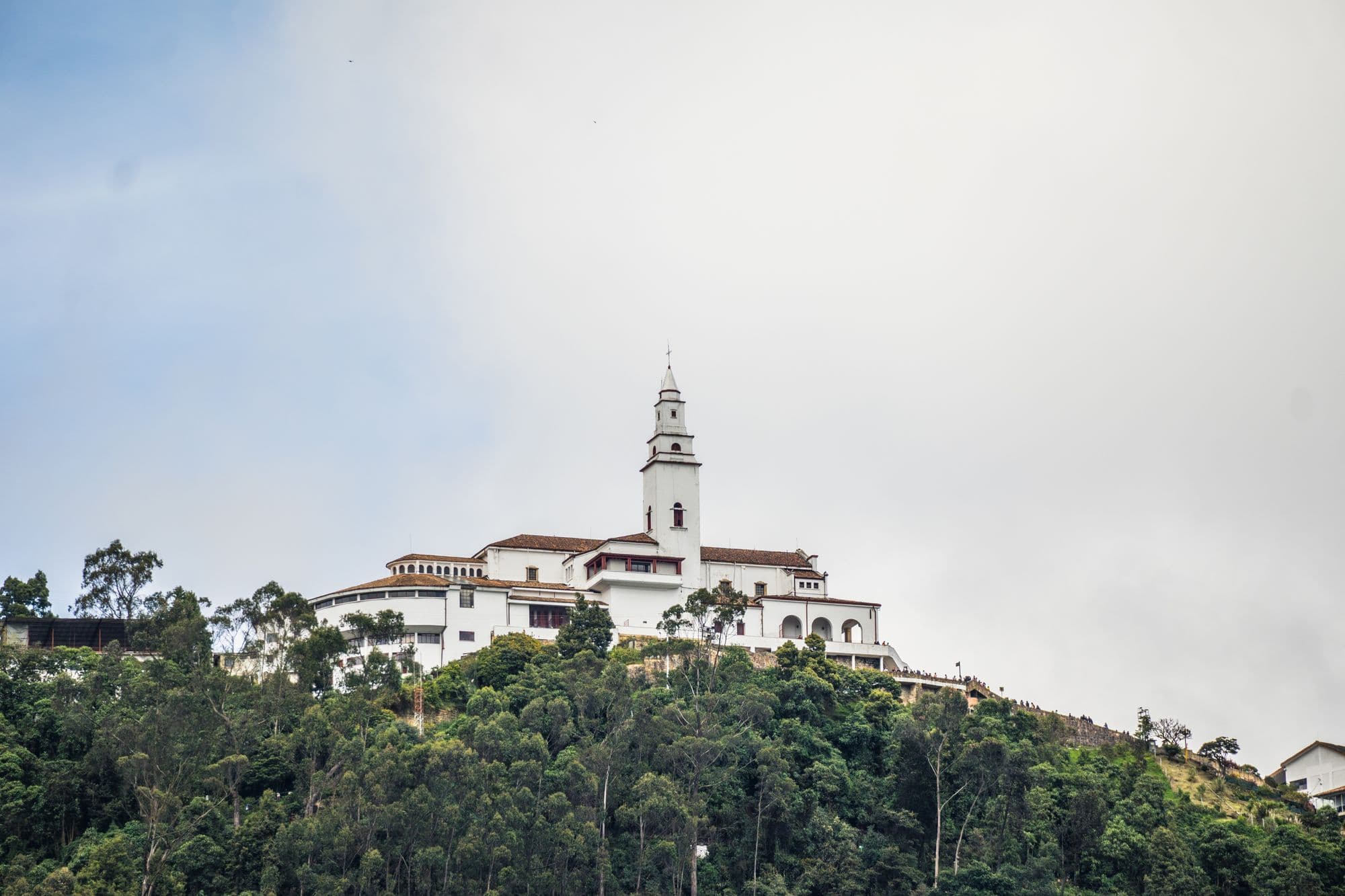
Bogotá deserves four days: one to acclimatise, two for the old city and museums, and one for the north and the nightlife. Drink water, go easy on alcohol the first night, and expect the stairs to feel steeper than they look.
- Day 1: arrive, rest, and a gentle walk around La Candelaria.
- Day 2: the Gold Museum, with the world's largest collection of pre-Hispanic gold, then Plaza de Bolívar and the Botero Museum.
- Day 3: up Monserrate in the morning, by cable car or funicular, then lunch in Chapinero.
- Day 4: markets, the north of the city, and a big Saturday night in Chapinero if your dates allow.
The Gold Museum opens Tuesday to Saturday from 9 AM to 7 PM and Sundays from 10 AM to 5 PM, closed on Mondays; foreign visitors pay about COP 21,000, and Sundays are free. The Monserrate cable car or funicular costs about COP 35,000 return from Monday to Saturday in 2026.
Gay Bogotá: Chapinero and Theatron
Chapinero is Bogotá's gay district, with most of its bars along Carrera 9 between Calles 58 and 60, and Latin America's best-known gay club at its centre.
Theatron
ClubChapinero, Bogotá · About COP 50,000 entry; early arrivals get an open bar · Thu to Sat from about 9 PM; busy after 11; every room open on Saturdays
Calle 58 Bis No. 10-32, Bogotá
- About 20 rooms
- Live shows
- Former theatre
Tip: Arrive around 9 PM for the open bar, use the cloakroom for your valuables, and bring ID.
Theatron opened in a converted theatre in 2002 and now has around 20 rooms with different music, from reggaeton to pop to electronic. It is huge, so agree a meeting point with friends and keep your phone in a front pocket.
A Bogotá guide helps most in La Candelaria and the museums, and with the altitude: they set an easy pace on the first days and know which streets to avoid after dark. They can also show you Chapinero before you go out in it.
Start Colombia with a Bogotá local
Bogotá's local guides are ID-checked before their profiles go live. Book 4, 6 or 8 hours, and plan the old city and Chapinero in chat once your booking is confirmed.
Meet Bogotá's local guidesDays 5 to 7: Medellín
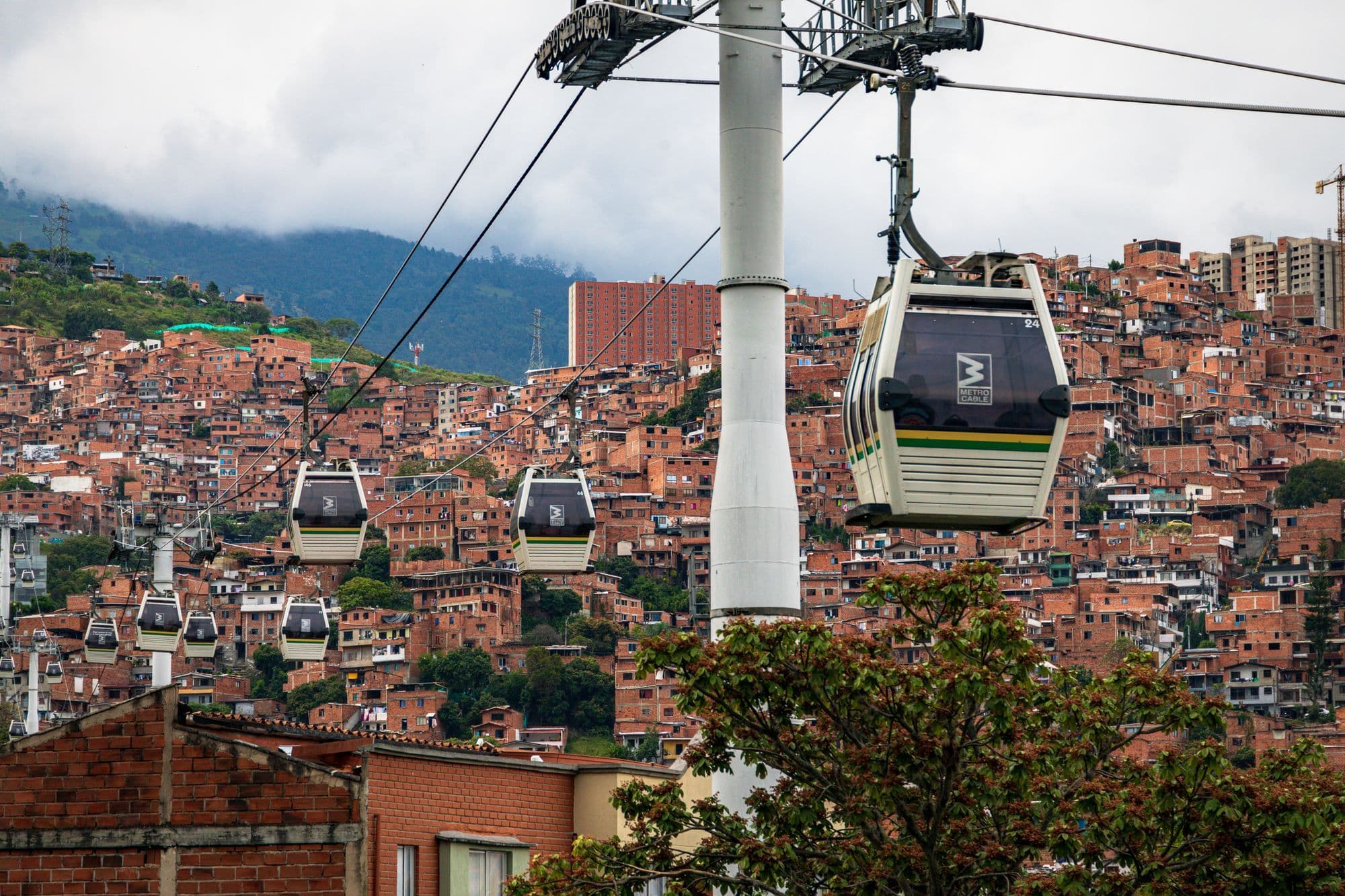
Fly to Medellín on Day 5. The airport, José María Córdova, is in Rionegro, outside the city across the mountains, so allow time for the drive down into the valley.
- Day 5: arrive, check in to El Poblado or Laureles, and an evening in El Poblado.
- Day 6: Comuna 13's murals and outdoor escalators with a local, then the Metrocable for the views and Plaza Botero in the centre.
- Day 7: a day trip to Guatapé, its lake and the giant rock of El Peñol, back in time for dinner.
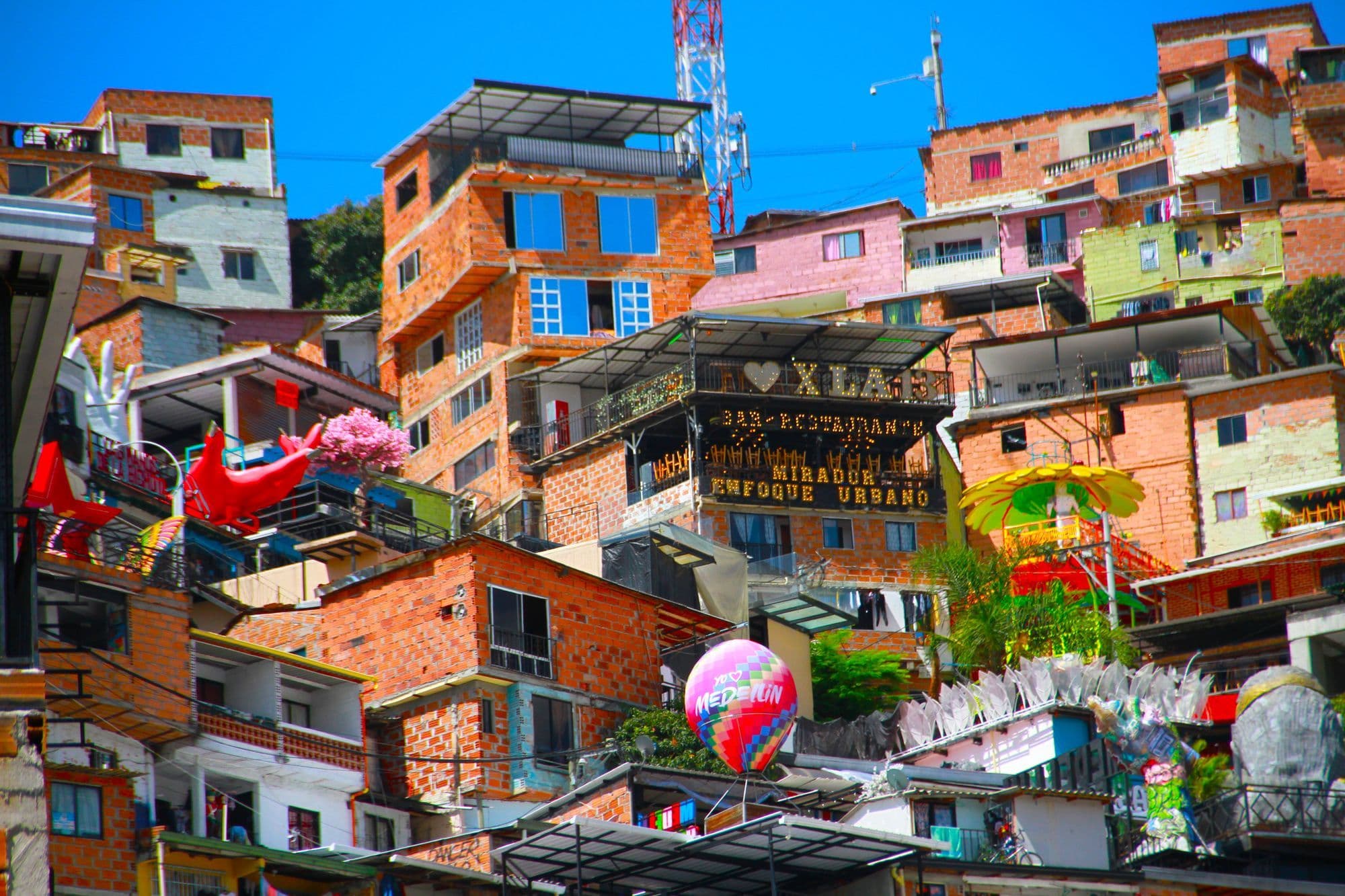
Medellín's gay scene is mostly in El Poblado. Donde Aquellos, at Carrera 38 #9A-26, has been running since 2000 and stays open until 4 AM with karaoke, drag and a terrace; Bar Chiquita, on Carrera 37, is the camp, colourful one, open Wednesday to Saturday. Laureles has a quieter, more local scene.
A Medellín guide earns their fee in Comuna 13, where the story of the neighbourhood's violence and recovery is the point of the visit, and on the Guatapé day, where they handle the road and the timings. They also know which parts of El Poblado are lively and which are best avoided late at night.
See Medellín with someone who knows it
Medellín's local guides are ID-checked before their profiles go live. Book 4, 6 or 8 hours, and plan Comuna 13 and Guatapé in chat once your booking is confirmed.
Meet Medellín's local guides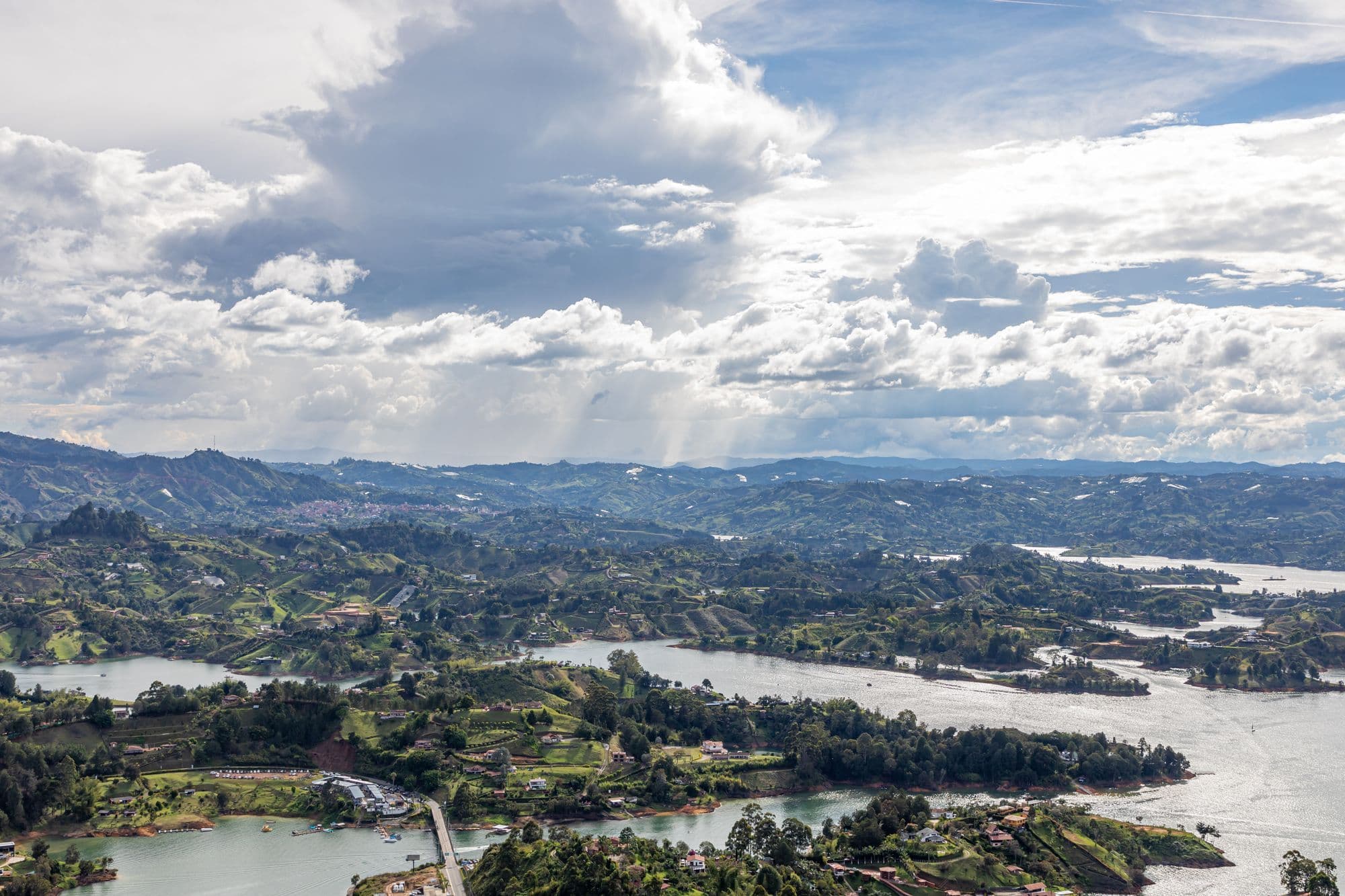
Days 8 to 10: Cartagena
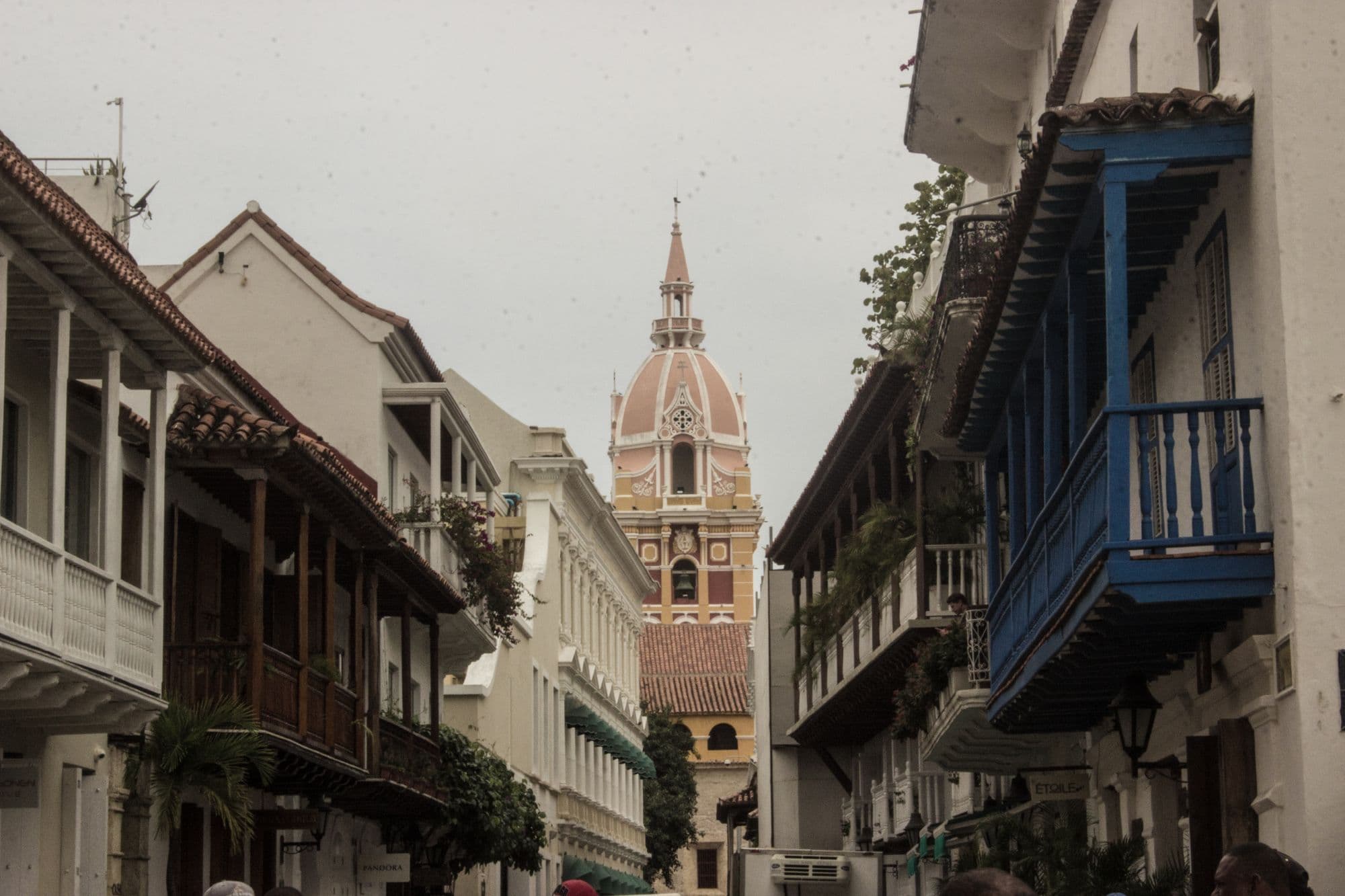
Finish in Cartagena, on the Caribbean coast. Its walled old city and fortifications are a UNESCO World Heritage Site, and the heat sets the rhythm: sights in the morning, a long lunch and a rest, then the streets again at sunset.
- Day 8: arrive and walk the walls at sunset.
- Day 9: the walled city with a guide in the morning, then Getsemaní and Plaza Trinidad in the evening.
- Day 10: a boat day to the Rosario Islands, or the Castillo San Felipe de Barajas and a last swim before your flight.
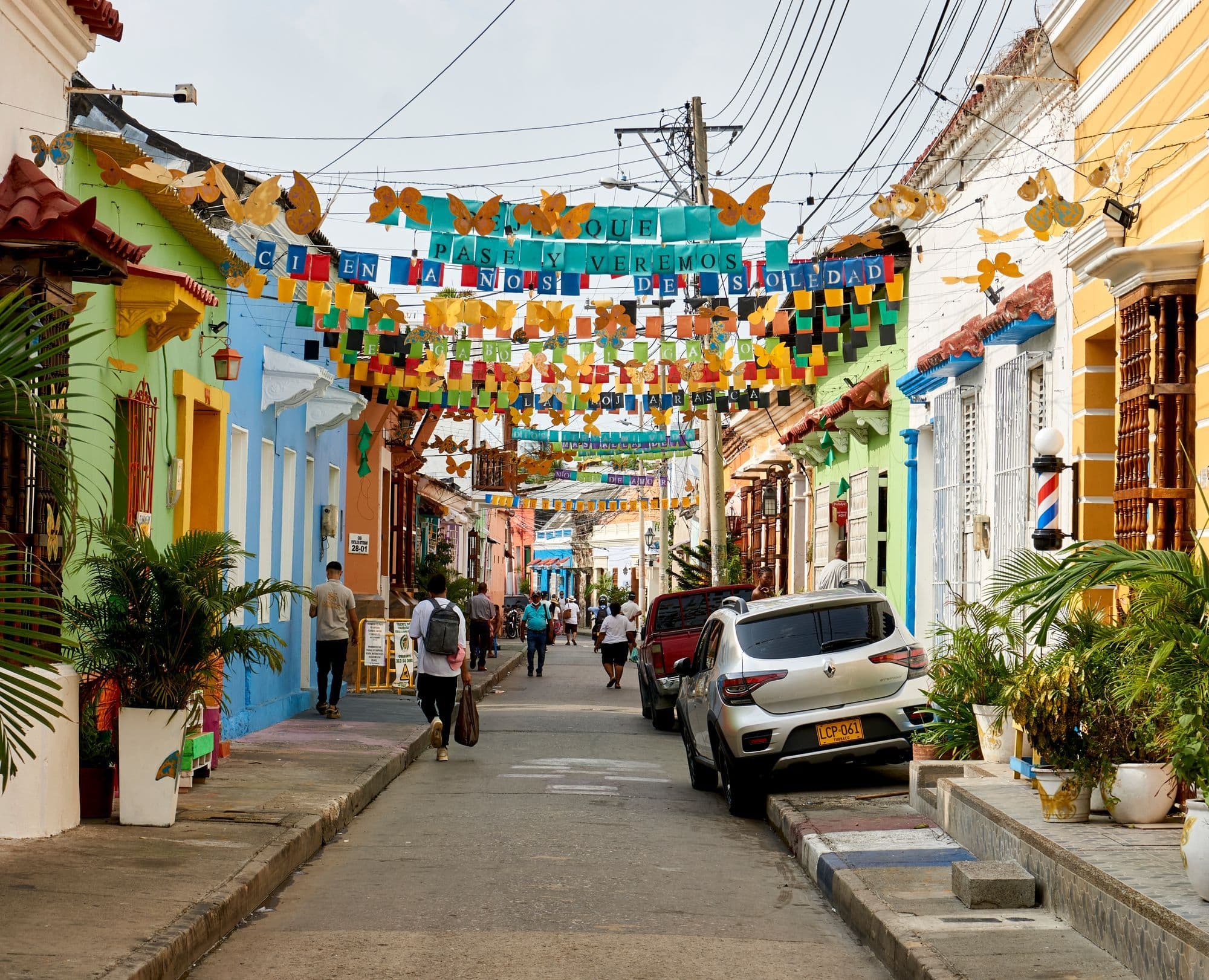
Cartagena's gay scene is small and centred on Getsemaní, the bohemian neighbourhood just outside the walls. Start with a drink on Plaza Trinidad, where the square fills with people every evening, then move to City Club, the gay party that runs from Thursday to Sunday until about 4 AM.
A Cartagena guide makes the walled city make sense, from the colonial churches to the slave trade that built the port, and knows which boat operators to trust for the islands. In an old town where touts are persistent, that alone is worth the booking. Our guide to how local guides help you avoid tourist traps explains the common ones.
Pride in Bogotá and Medellín
Both cities march at the end of June. In 2026, Bogotá's main citywide march is on Sunday 28 June, from Carrera 7 with Calle 59 to Plaza de Bolívar, according to the city of Bogotá, with other marches in June and July.
Medellín's march is on the same day, Sunday 28 June 2026, along Avenida Oriental to the Parque de las Luces, and El Colombiano reported more than 120,000 people taking part. If your dates are flexible, plan the trip around one of them.
Best time to visit Colombia
December to March and July to August are the drier periods in Bogotá and Medellín, and the best months for this route. Bogotá is cool all year, with days around the high teens Celsius and cold nights, so pack layers; Medellín is warm and spring-like; Cartagena is hot and humid year-round.
Christmas, New Year and Holy Week are peak times for Colombian travel, so book flights and Cartagena hotels early then.
Before you go
- Check entry rules. The UK says British visitors can stay up to 90 days without a visa and must show an onward or return ticket. Many airlines also ask for Migración Colombia's free Check-MIG online form, completed in the days before you fly.
- Book domestic flights early for December, January and Holy Week.
- Pack for three climates: a warm layer for Bogotá, light clothes for Medellín, and breathable clothes and sun cream for Cartagena.
- Use ride-hailing apps or taxis your hotel calls, never cabs flagged on the street at night.
- Tip in pesos. Restaurants add an optional 10% "propina voluntaria" that you can accept or decline, as Real City Tours explains; our guide to tipping a private tour guide covers the general rules.
Colombia is one of the most rewarding countries in the Americas for a gay traveler: big cities with real scenes, legal marriage and warm people, with one clear risk you can manage. If you have done Mexico City or São Paulo, our guides to gay Mexico City and gay São Paulo are good comparisons, and our nightlife etiquette guide covers the unwritten rules.
Plan your Colombia route with local guides
Browse Bogotá's local guides, book with the price locked when you request, and message your guide once the booking is confirmed.
See Bogotá guidesFrequently asked questions about a Colombia itinerary
Is Colombia safe for gay travelers in 2026?
For attitudes, broadly yes: same-sex marriage has been legal since 2016, and Bogotá and Medellín have large gay scenes. The real risk is crime linked to dating apps. The UK warns that criminals use apps to lure foreign visitors, then drug and rob them. Meet only in busy public places and never leave a drink unattended.
Is same-sex marriage legal in Colombia?
Yes. In ruling SU-214 of 2016, Colombia's Constitutional Court held that the Constitution does not exclude marriage between people of the same sex, and same-sex couples can marry in civil ceremonies. The UK government notes that same-sex relationships are still not widely accepted, especially in rural areas, so expect more discretion outside the big cities.
Where is the gay area in Bogotá?
Chapinero. Most of Bogotá's gay bars are along Carrera 9 between Calles 58 and 60, and Theatron, at Calle 58 Bis No. 10-32, is the area's landmark club, open Thursday to Saturday from about 9 PM. Entry is about COP 50,000, with an open bar for early arrivals.
Is 10 days enough for Bogotá, Medellín and Cartagena?
Yes, at a steady pace: four days in Bogotá, three in Medellín including a Guatapé day trip, and three in Cartagena, with short domestic flights between them. Two weeks lets you add the coffee region or a few beach days near Cartagena. Fly into Bogotá and out of Cartagena to avoid backtracking.
How do I deal with the altitude in Bogotá?
Bogotá sits at about 2,600 metres. Take the first day slowly, drink plenty of water, go easy on alcohol the first night and save Monserrate, which is higher still, for your third day. Most visitors adjust within a day or two; Medellín and Cartagena are much lower.
Is it safe to use dating apps in Colombia?
With care. The UK, US and Australian governments all warn that criminals use dating apps to lure foreign visitors, sometimes drugging them with scopolamine before robbing them. If you use apps, meet in a busy public place, arrange your own transport, never leave food or drinks unattended, and do not bring someone back to your hotel on a first meeting.