

Queer nightlife etiquette around the world is less about memorising a list of customs and more about one habit: read the room before you act. Ask before touching or filming, follow the event's stated rules, respect who the space centres and get help early if something feels wrong. The rest is usually easy.
That matters on a first night in a new city. A bar can be chatty and loose; the party upstairs can have a no-phone rule, a dress code and an awareness team. Neither is being difficult. Each is telling you how people can relax there.
We checked the venue rules and community guidance linked below in September 2026. Use this as a starting point, then check the ticket page or social account for the actual night you are attending. For city-specific context, explore the cities we cover or meet a local guide.
How do I enter a queer space without making it about me?
Arrive curious, not entitled to a particular kind of welcome. Queer bars, parties and community nights can be public businesses and still exist because people need room to meet, flirt, perform and exhale without being watched like an attraction.
That is especially important when a night says who it centres. London's Riot welcomes people of all gender and sexual identities while centring people of colour, sex workers and LGBTQ+ people. The practical response is simple: do not turn up to gawk, dominate the room or expect the organisers to explain the space to you all night.
You do not need the perfect vocabulary to belong. Introduce yourself, use the name someone gives you and ask if you are unsure about a pronoun. Copenhagen Pride's house rules put it plainly: do not assume somebody's gender, body or sexuality. That is good travel advice, full stop.
A queer space is not a themed backdrop for your weekend. It is somebody else's ordinary place to be free.
Should I take photos or videos in queer clubs?
Assume no until the venue says yes, and assume people in the shot need to agree. A photo can put someone online who is not out at home, at work or with family. It can also pull a whole dance floor out of the moment. Put the phone away first.
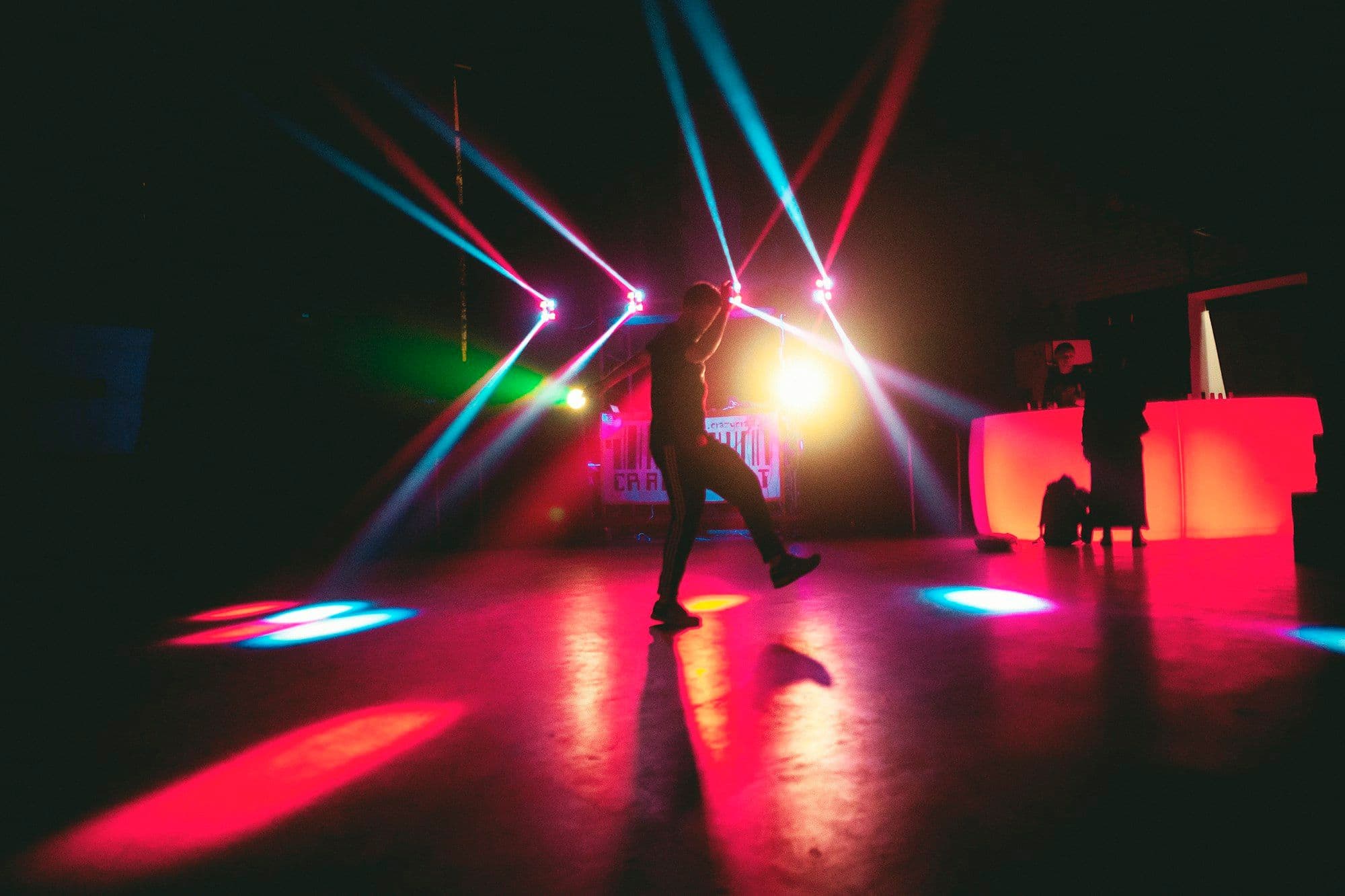
The rule may be stricter than you expect. London club Palais bans filming and photography, covers phone cameras on entry and says breaking the rule can mean removal. Riot also bans photography and video everywhere at its events. That is not an invitation to negotiate a selfie with the bouncer.
If an event permits photography, ask each person who will be recognisable before you take it, then ask again before posting. Never photograph toilets, changing areas, play spaces or someone having a difficult moment. Official photographers and clearly marked photo areas follow different rules. Check them rather than guessing.
How do consent and personal space work on a dance floor?
Consent works the same way abroad as it does at home: it is clear, voluntary and ongoing. Dancing close is not consent to touch. A look is not consent. A harness, a costume or a dark room is not consent. Ask, wait for an answer and make it easy for that answer to be no.

The easy version is verbal: “Can I join you?” or “Is this okay?” In a loud room, eye contact and a gesture can begin the question, but an uncertain response ends it. Do not keep asking. If you bump someone, apologise and move on. If a friend is too intoxicated to decide freely, help him get water, find staff and get home. Do not turn it into a moral lecture.
This is not niche etiquette for fetish or sex-positive events. A recent Berlin Clubcommission guide notes that discrimination and assaults can happen even in spaces that call themselves safer. Kindness is part of the job of keeping a room good.
How do I handle door policies and dress codes abroad?
Read the event page, bring the ID it asks for and take a refusal without making a scene. Door policies can protect a particular night, manage capacity or make sure attendees understand the rules. A ticket is not a guarantee that any venue must waive its entry conditions.
Start with the practical bits: age limit, physical-ID requirement, cash or card, bag policy, last entry, accessibility arrangements and what the dress code actually means. Palais, for example, specifies physical ID, a 21+ policy and a dress standard for its own room. That tells you nothing automatic about the next bar in London, let alone a club in Bangkok or Mexico City.
Avoid turning a dress code into a costume of somebody else's culture. Follow the brief for a themed or leather night because you want to participate respectfully, not because you want an alibi to touch or comment on strangers. If the brief is unclear, ask the organiser before buying something. Our first-timer's guide to booking a gay tour guide can help with the local context that ticket pages leave out.
Get the local read before the first round
A local guide can help you understand a city's nightlife map, what is open now and which kinds of nights will suit your pace.
Meet local guidesWhat is the right etiquette at drag shows and live performances?
Watch the show you paid to see. Tip when the venue or performer invites it, clap loudly, keep the aisle clear and do not touch a performer unless they explicitly ask you to come closer. A performer who works a crowd is still working.
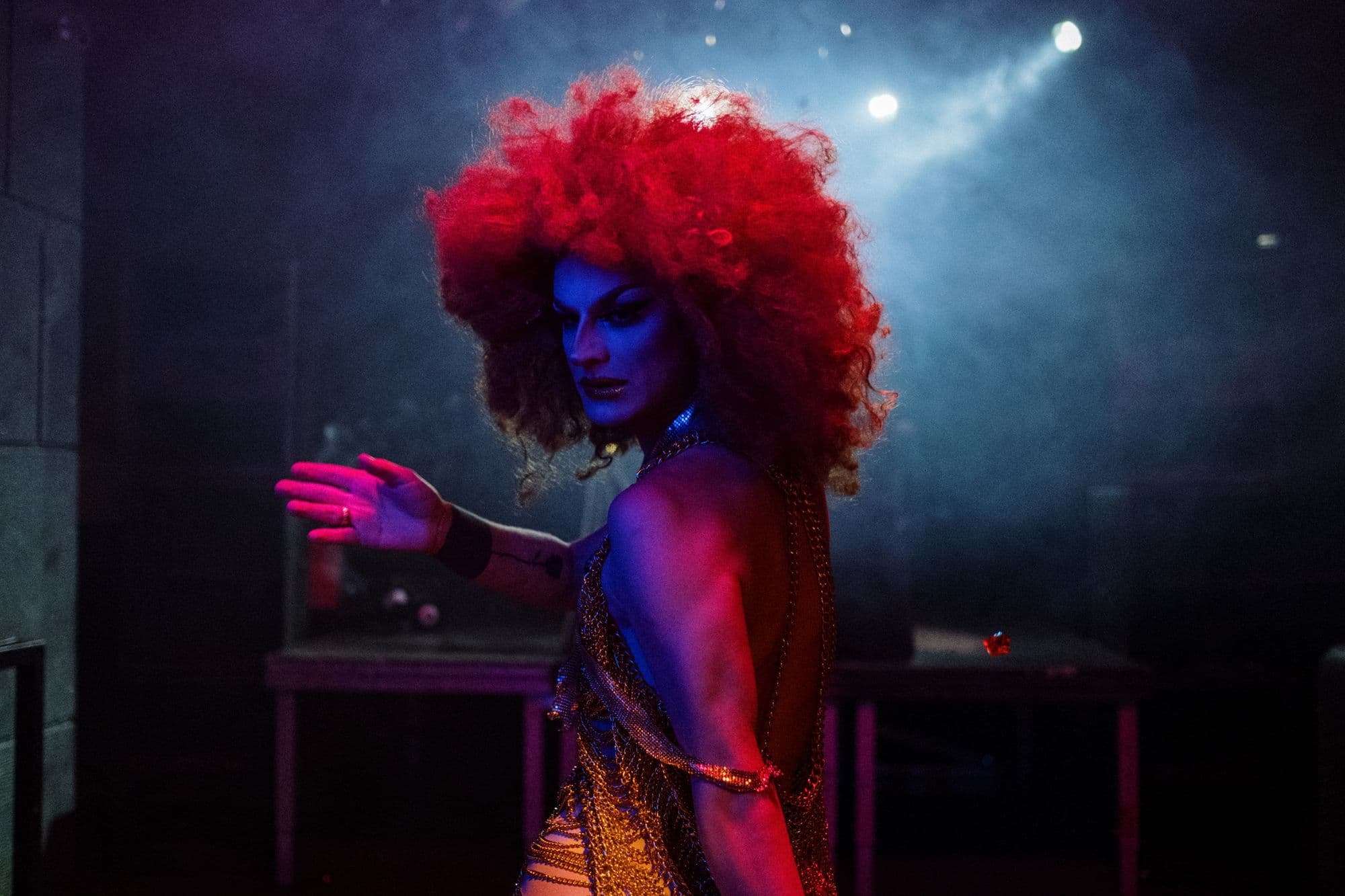
Do not talk over the number, shout a request through it or decide you are part of the act because the room feels friendly. If there is a tip bucket, use it. If a host names a digital tipping option, use that. If neither appears, enjoy the show without inventing a rule. The same goes for cabaret, ballroom, DJs and dancers: the event, not your assumptions, sets the etiquette.
For a bigger Pride weekend, expect different rules at the parade, the official party and the late-night afters. Our Pride weekend guide for first-time visitors covers the planning side; this is the part where you make the people around you glad you came.
What should I do if a queer nightlife space is not built around me?
Be a guest. Spend money at the bar, do not demand a lesson, do not make somebody's identity the evening's conversation and leave space for the community the night was made for. You can be welcome without being the centre of attention.
That includes queer travellers visiting a scene whose language, race, gender mix, music or sexual culture is not yours. Do not assume the staff speak English, that flirting is the point, or that everyone wants to meet a visitor. A warm “thank you”, a drink bought at the bar and a little attention to how regulars move through the room go further than performing expertise.
Want a starting point that is less general? Use our guide to finding LGBTQ+-friendly neighborhoods before you travel, then read the current event page. The neighbourhood gets you to the door; the house rules tell you what happens after it opens.
What should I do if something feels wrong on a night out?
Tell someone who works there before the situation becomes a story you have to solve alone. Look for an awareness team, welfare lead, security, bartender, host or organiser. Give them the useful version: who, where, what happened and whether you or a friend needs immediate help.
At an event with a visible welfare or awareness team, use it. Riot says its trained safeguarding team wears LED armbands; Palais directs guests to welfare staff, security or venue staff. Those details change by night, so locate the right person when you arrive, not when you need them. For broader preparation, read how to plan a safer LGBTQ+ city trip without overplanning.
Before you go out in a new queer city
- Read the event page once. Look for entry time, ticket name, ID, dress code, accessibility, payment and phone rules.
- Charge the phone, then put it away. Keep it for navigation and your route home, not for turning other people into content.
- Choose your own exit. Know the walk, last train or ride app before your first drink.
- Ask instead of assuming. Names, pronouns, photos, flirting and touch all work better that way.
- Leave a good footprint. Thank staff, tip where it is invited and let the night remain the community's after you go.
The etiquette is not complicated. Notice who the space is for, give people room to decide what they want and let the local rules lead. You will have a better night, and you will be invited back in the ways that matter.
Start the night with local context
Browse LGBTQ+ guides in the cities we cover for a more specific read on the streets, venues and practical choices around your trip.
Explore citiesFrequently asked questions about queer nightlife etiquette
Can I take photos in a gay bar or queer club?
Only if the venue permits it and the people who will be recognisable agree. Many spaces prohibit photos or videos because privacy matters, especially for people who are not out everywhere in their lives. Check the event page first, keep cameras out of toilets and changing areas, and ask again before posting anything.
What does consent look like on a dance floor?
It means a clear, willing and ongoing yes to the specific interaction. Standing nearby, dancing close or wearing a revealing outfit is not permission to touch. Ask before making contact, accept a pause or a no immediately, and check in again if the interaction changes. If someone seems too intoxicated to decide freely, step back and get help.
Why do queer clubs ban phones?
Phone bans help people relax without fearing that a stranger will film them, identify them online or turn a private night into public content. The policy can also keep the dance floor present. Treat a sticker, pouch or verbal rule as part of the venue's care for its guests, not something to work around.
What should I wear to a queer party abroad?
Wear what the organiser asks for, rather than relying on a stereotype about the city or scene. Check the dress code, age and ID requirements before you leave. If a themed party gives a detailed brief, follow it or choose another night. Comfort, appropriate shoes and a respectful reading of the room beat a last-minute costume every time.
How should I behave at a drag show?
Pay attention, cheer, tip when the host or performer invites it and keep your hands to yourself. Do not talk through the number, block sight lines or treat a performer as available for touch because they work the crowd. Follow instructions about photos and audience participation; the performer and host set the boundary.
What do I do if I feel unsafe at a queer venue?
Move toward staff, security, a bartender or the event's awareness or welfare team and describe what happened. If a friend appears suddenly unwell or much more intoxicated than expected, stay with him and get staff involved. Do not handle harassment, a confrontation or suspected drink tampering by yourself when trained people are available.