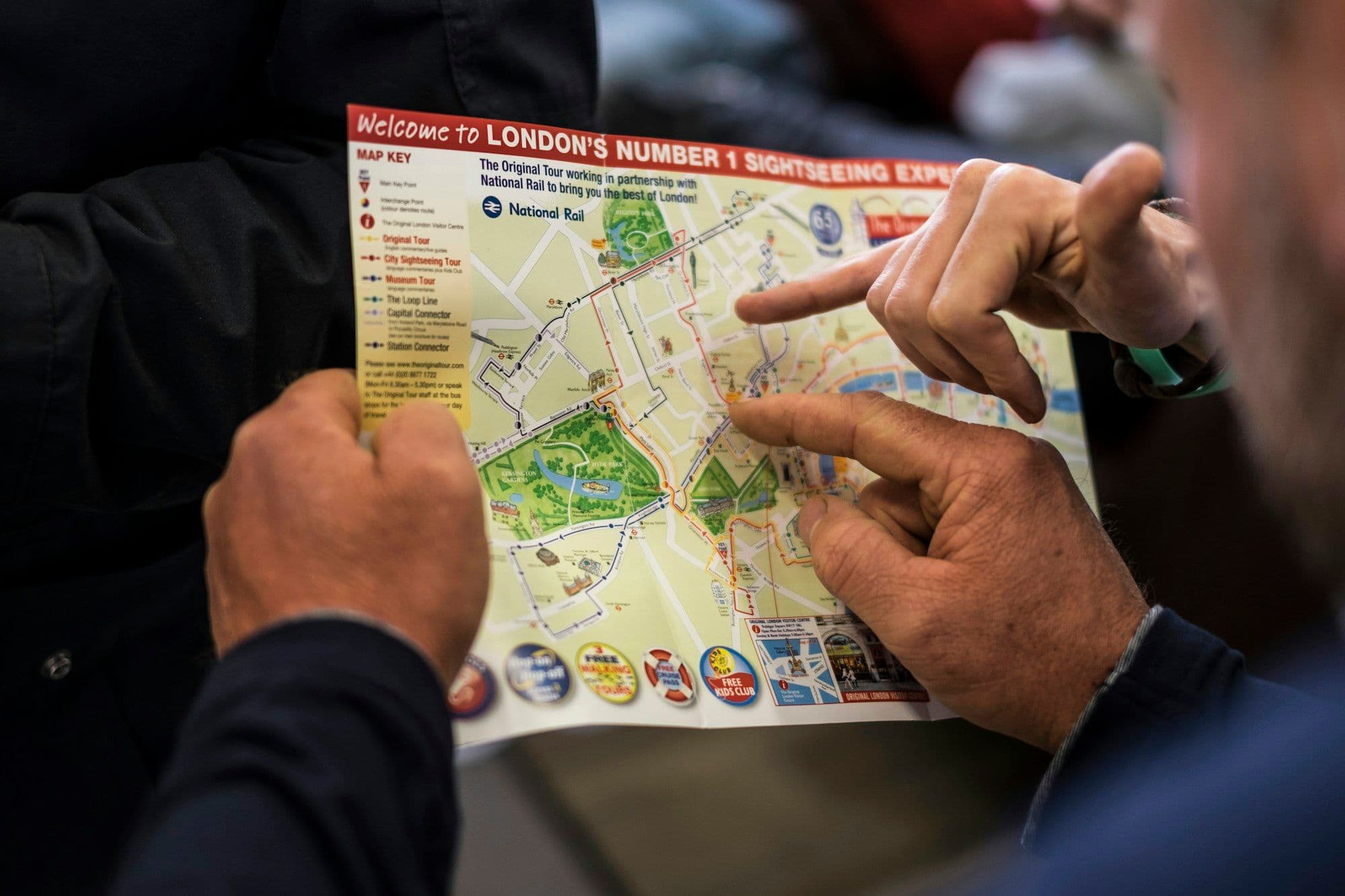
LGBTQ+ couple travel feels personal when both partners shape the plan, neither person becomes the unpaid tour manager, and the itinerary leaves room for the city to surprise you. Start with two short wish lists, agree one anchor for each day, check how comfortable you both expect to feel, then leave the remaining hours open.
The useful question is not “What should we see?” It is “What would make this city feel like ours?” One of you may want queer history and the other a long lunch. Those are ingredients, not a conflict.
We checked the LGBTQ+ guidance behind the comfort and safety advice in September 2026. If you want local help once the shape is clear, browse LGBTQ+ guides by city.
How do LGBTQ+ couples plan a city trip together?
Plan separately for ten minutes, then compare notes. Each person writes three wants, one easy skip and the pace that still feels like a holiday. This stops one partner quietly designing the whole trip while the other keeps saying “anything is fine.”
Match natural pairs: architecture with a neighbourhood walk, a market with lunch, queer history with a nearby bar. Put priorities that pull in different directions on separate days instead of building a cross-city relay race.
A personal trip is not one person’s perfect itinerary with the other person added to the booking.
What should each partner choose before booking?
Choose experiences, not a landmark count. “A slow morning with excellent coffee” is more useful than twelve café pins. “One proper dance night” tells you where to stay and which morning must remain empty.
Use five prompts each:
- Three wants. The meal, place or feeling you would regret missing.
- One skip. A classic sight you do not care about, with no apology required.
- One pace limit. Early starts, long walks, late nights or packed museums.
- One money choice. Where you want to spend and where you are content to save.
- One queer priority. History, nightlife, community spaces, being openly affectionate or simply not having to think about it.
How do you build a city itinerary that feels personal?
Build each day around one shared anchor, with one light option before it and one after. The anchor can be a museum slot, a private tour, lunch or a neighbourhood. Everything else stays movable.
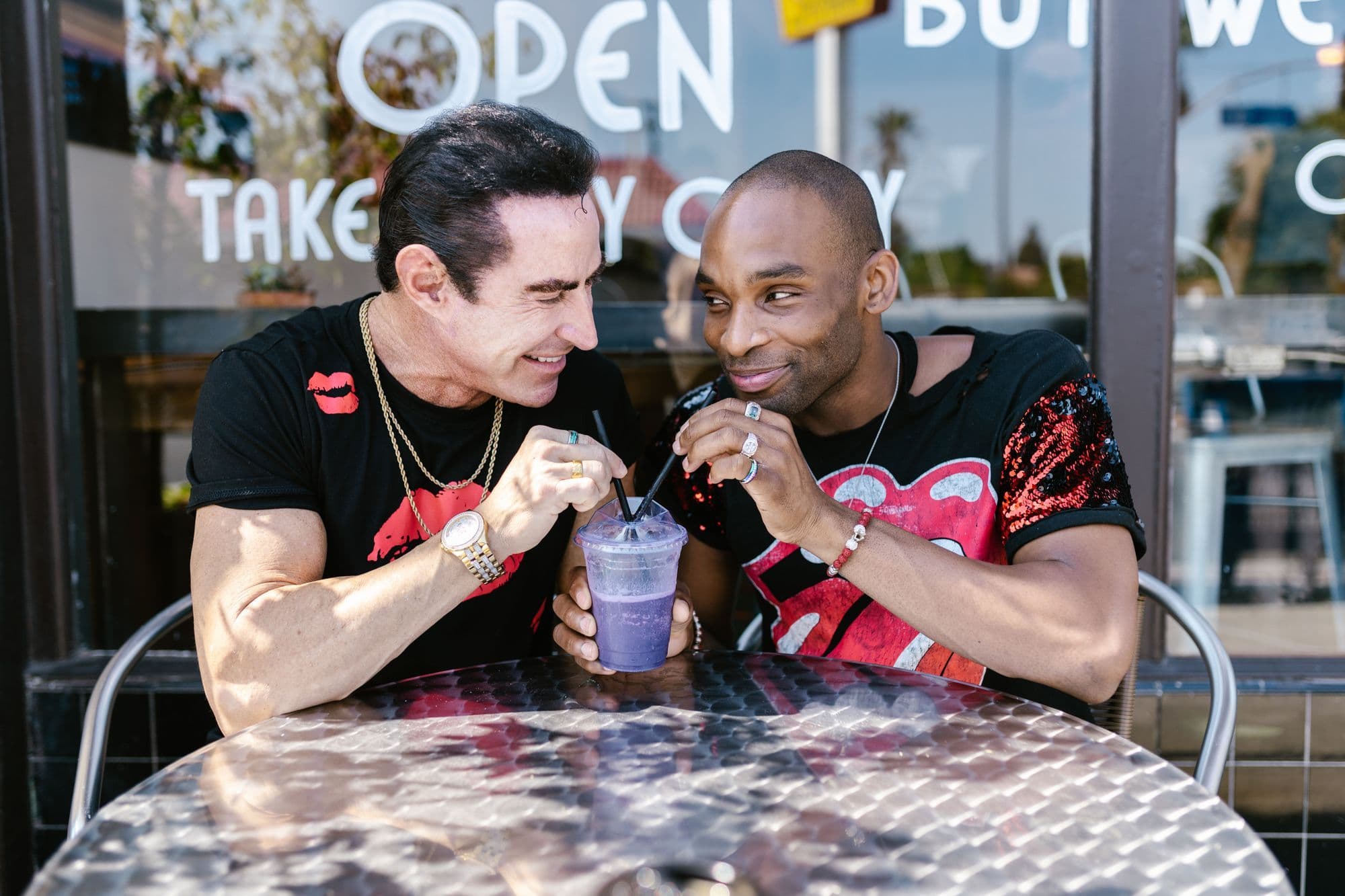
Alternate who leads the anchor. The partner who chose the photography museum also chooses lunch nearby; the partner who wanted the queer cabaret handles that evening. Nobody carries the whole mental load.
Keep travel time honest. Two nearby pins may be separated by a river, a hill or a transit change. Our flexible city-tour formula uses a clear start and finish, two priorities and permission to drop the optional stop.
Give the shared day some local shape
Choose a local LGBTQ+ guide whose interests match yours, then request a private day built around your pace and the parts of the city you both care about.
Meet local guidesShould couples spend time apart on a city break?
Yes, if your interests or energy differ. An hour apart is often the cleanest way for one person to browse a design shop while the other sits in a park or sleeps for another forty minutes.

Call it a split hour and choose the reunion point first. Pick somewhere visible and pleasant, such as a café terrace, not an anonymous station exit. If you are both enjoying the same thing, stay together.
How should LGBTQ+ couples check comfort and safety?
Check the destination together, because “I am comfortable” is not a couple decision. Look at the law, city-level social context, hotel fit, public affection and route home. Use the more cautious partner’s limit without turning it into a debate about courage.
The UK Foreign Office advises checking local laws and attitudes, including outside major cities. The Government of Canada notes that a relationship recognised at home may not be recognised abroad, including by hotels or healthcare institutions.
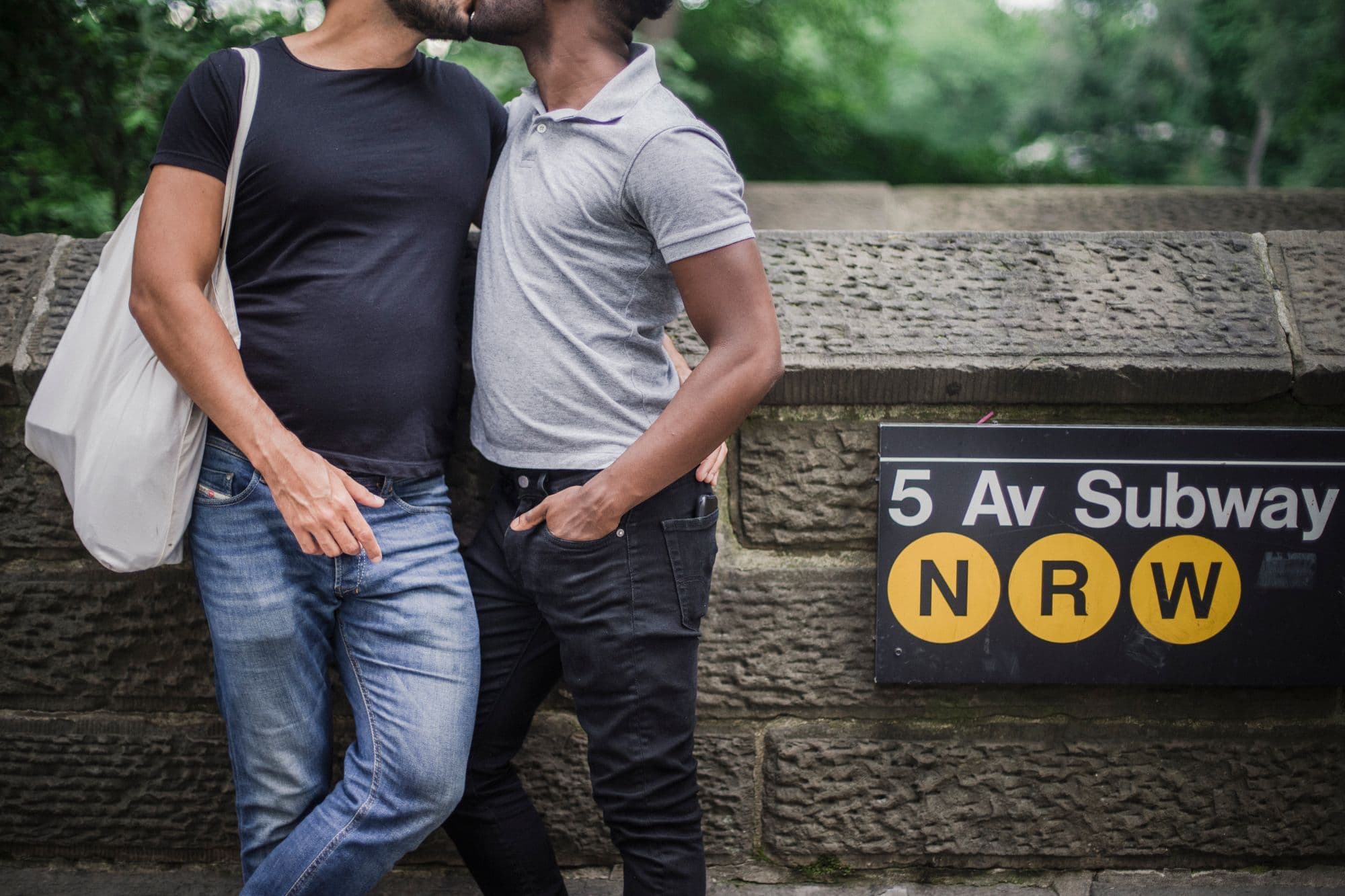
Read your government's destination page, confirm the legal framework in the ILGA World database, and find a recent local LGBTQ+ source. Our safer LGBTQ+ city-trip guide covers the full check.
What should an LGBTQ+ couple ask a local guide?
Ask questions that connect the city to both wish lists. Send your party size, dates, walking pace, one priority each and any subject you would rather discuss privately. A guide can turn “food and queer history” into one neighbourhood route.
Try these prompts:
- “We each chose one priority. Can these fit into the same half-day without rushing?”
- “Where would you start if we want queer context but not a nightlife-only tour?”
A private tour gives a couple control over pace and questions; a group tour supplies company and fixed logistics. Our private-versus-group comparison helps you choose. New here? Read the first-timer’s guide to booking a gay tour guide.
Before you go
- Swap the final plan. Each partner should be able to explain the first day, the hotel route and the one booking that cannot move.
- Protect the gaps. Do not fill every open hour because a list told you to.
- Choose a reunion point. Use it for split time and if phones fail.
The result should look odd to anyone else: your museum, his bakery, the bar you both wanted and no famous tower because neither of you cared. That is the point.
Make the city yours together
Explore the cities we cover and request a private experience with a local LGBTQ+ guide whose interests and pace fit both of you.
Explore citiesFrequently asked questions about LGBTQ+ couple travel
How do couples plan a trip when they like different things?
Each person should choose three priorities and one easy skip. Pair compatible interests, alternate who leads the daily anchor and use a split hour for anything only one person wants. You do not need identical tastes. You need a plan in which both people can point to something that feels like theirs.
How much should couples plan for a city break?
Book the hotel, arrival, hard-to-get tickets and one shared anchor per day. Keep the surrounding hours flexible. A city break becomes tiring when every meal and movement has a deadline. Six good shared anchors are more useful than twenty attractions.
Is it normal for couples to do separate activities while travelling?
Yes. Separate time can protect different interests and energy levels. Agree the length, meeting point and next fixed plan before you split. An hour at different shops is simple. Keep the plan matter-of-fact. Vanishing without a reunion time creates unnecessary stress.
How can LGBTQ+ couples check whether a destination will feel comfortable?
Check local laws, government travel advice, recent city-level LGBTQ+ sources and hotel evidence. Discuss public affection, accommodation and nights out, then follow the more cautious partner’s limit. National law does not describe every neighbourhood, and a welcoming resort does not describe the surrounding region.
Are private tours good for LGBTQ+ couples?
Private tours work well when pace, focus and questions should stay within your party. They are useful when two interests fit one neighbourhood or you want local context without discussing personal concerns in a group. Confirm the total price, duration and route before booking.
What should LGBTQ+ couples tell a guide before a private tour?
Share your dates, party size, walking pace, one priority each and any accessibility or dietary needs. Say whether you want queer history, nightlife context or a general introduction. You do not need to disclose private details. Give the guide enough to shape a useful day for both people.