A local guide helps you avoid tourist traps by explaining what a place is actually like, when it is worth going and what to skip. That can mean a better lunch, a shorter queue or simply not handing over money because someone on the street rushed you. For LGBTQ+ travelers, it can also mean a more useful read on the parts of town where you will feel at ease.
What does a local guide actually do to avoid tourist traps?
A useful local guide gives you context that a rating cannot: why a restaurant is full, which entrance to use, whether a market is best at breakfast or after dark, and what you give up by choosing the famous option. That makes it easier to choose deliberately instead of following the nearest persuasive sign.
Good local knowledge is not a hidden address. It is an honest answer about whether an address is worth your afternoon.
Our guide to a flexible city tour shows how to leave room for that answer instead of locking every meal and museum into a timetable before you land.
How do local guides spot a bad-value stop?
They compare a place with the options around it. A guide knows when a queue is for something genuinely excellent and when it is just the first result everybody sees. They can point out the meal that is mostly a view, the street where every shop sells the same souvenir, or the attraction that needs an advance ticket to be enjoyable.
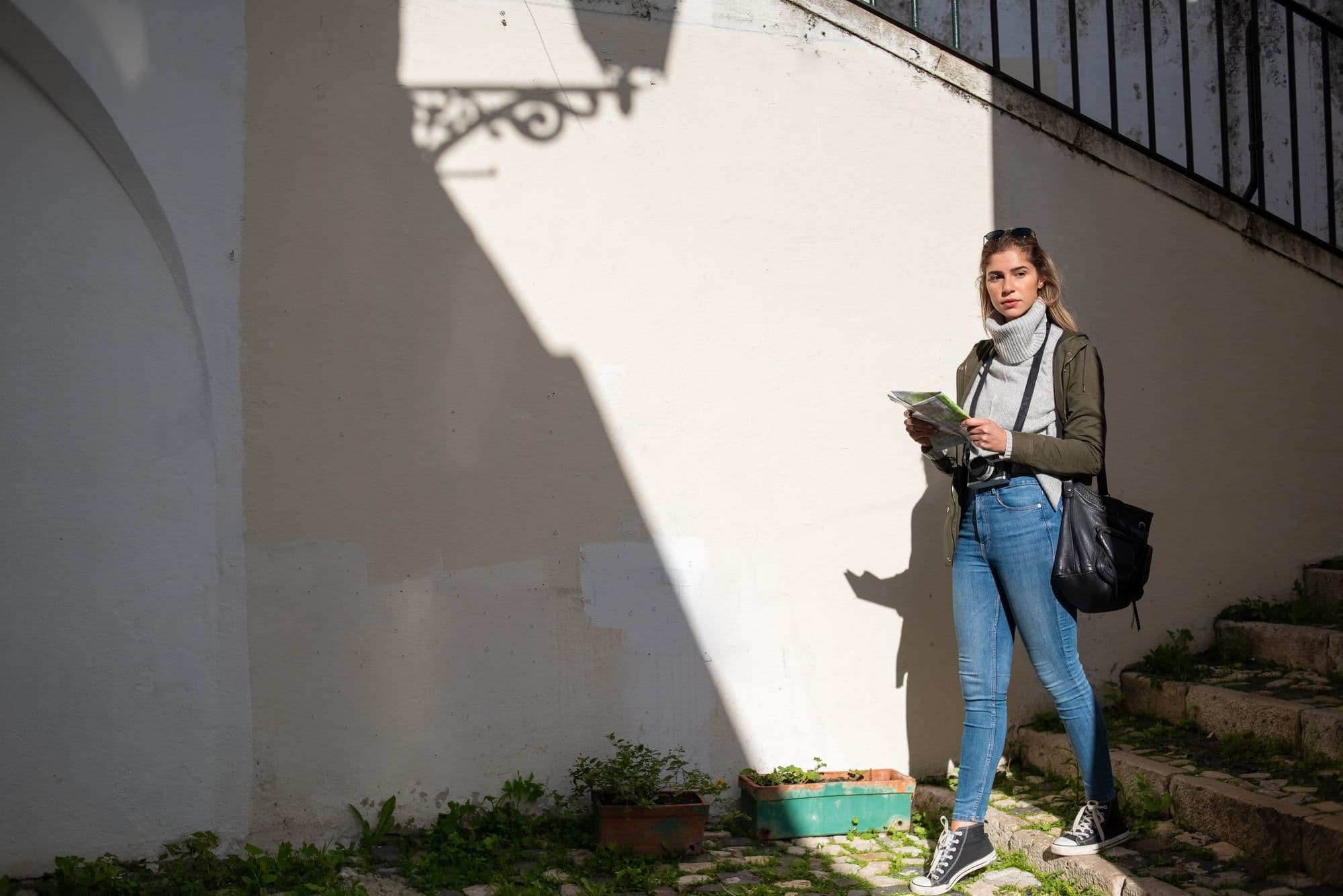
For a queer traveler, local context can be especially useful after dark. A rainbow sticker says very little about the room, the crowd or the route home. Start with our guide to finding LGBTQ+-friendly neighbourhoods, then ask your guide which places fit the night you actually want.
How can a local guide save you time, not just money?
A local guide saves time by arranging a day around geography and rhythm. You might walk a good route between two things you already want to see, eat before the rush, or learn that the gallery is closed on the day you had pencilled in. That is far more valuable than racing through extra stops.
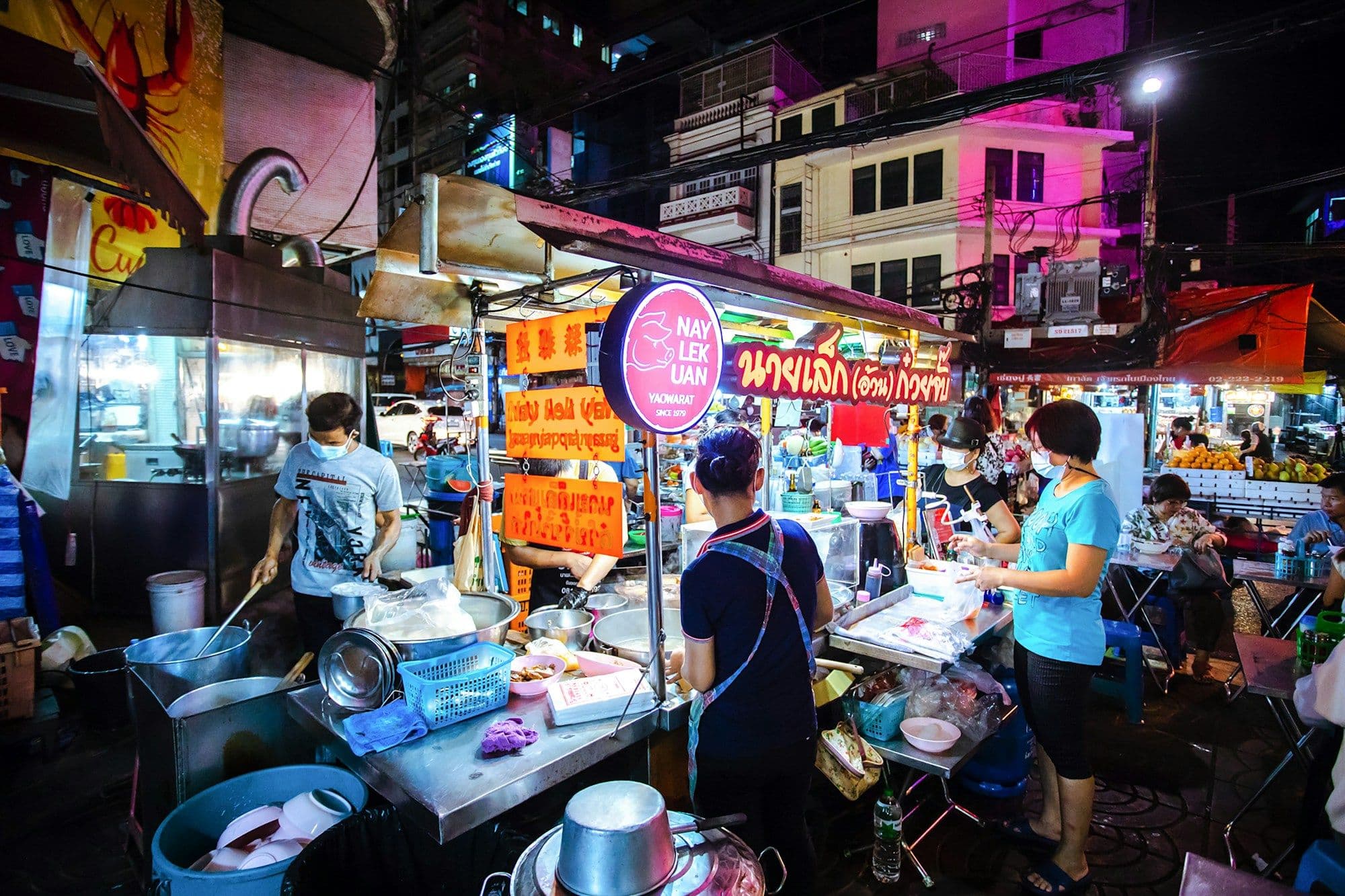
Ask for a route with a shape, not a checklist. A neighbourhood walk, an exhibition and a lunch nearby is a coherent afternoon. Five attractions scattered across town is a taxi plan with cultural garnish.
If you are deciding between formats, our comparison of private tours and group tours for LGBTQ+ travelers explains the trade-off. A private guide is useful when your pace, interests or practical needs should drive the route.
What should you ask a local guide before booking?
Ask what the guide would do with your actual day, then listen for a clear answer. You need not interview someone for an hour. Four questions are enough to learn whether the fit is real.
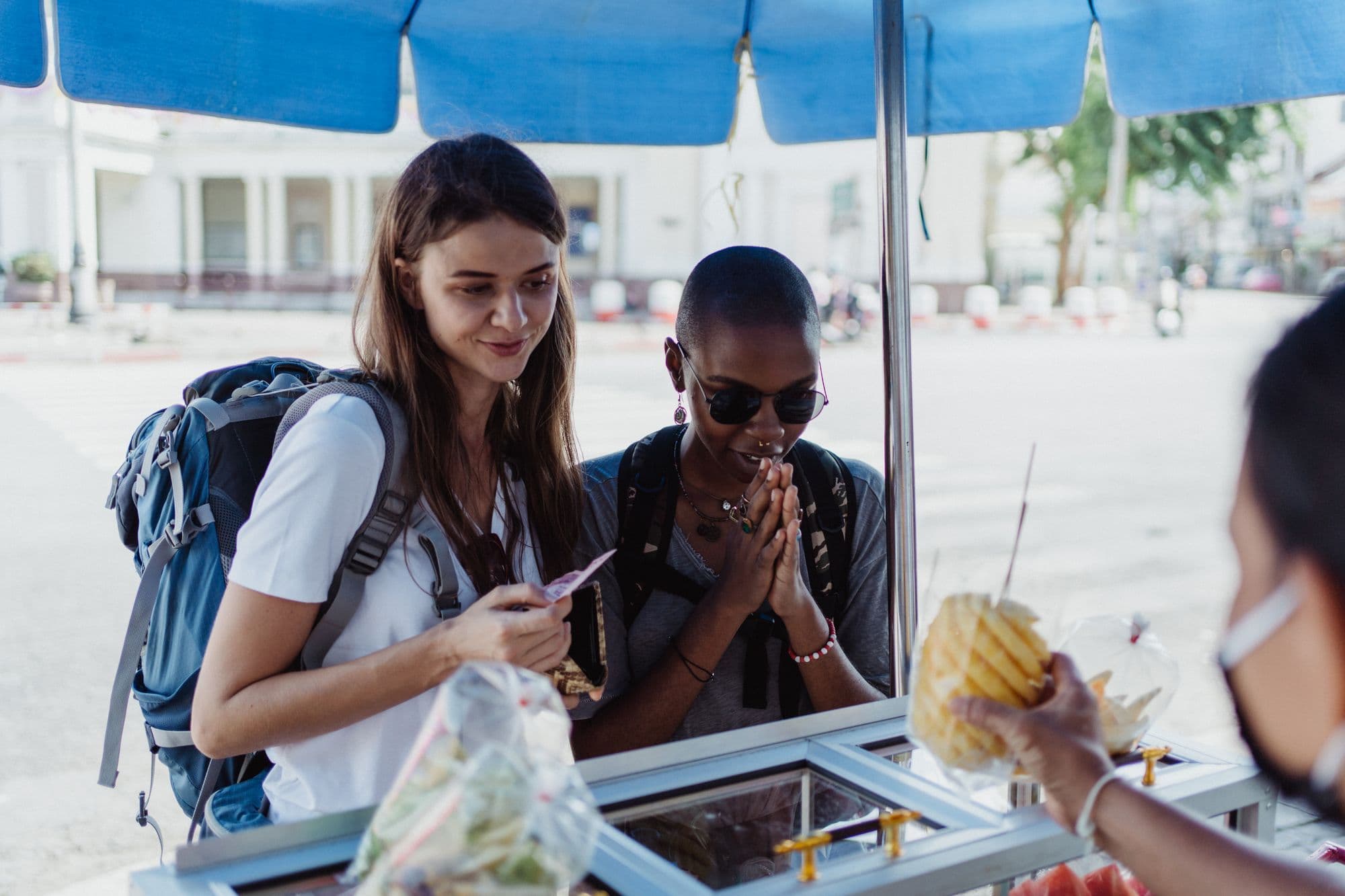
- What would you skip? The answer shows whether the guide is willing to make a judgement call.
- How would you shape this around my interests? Give two or three: food, queer history, architecture, art, nightlife or a slow first afternoon.
- What costs are separate? Tickets, transport, food and drinks should be clear before you meet.
- Where will we end? A good finish leaves you somewhere useful for the next part of your day.
Browse profiles in the guide directory for city, language and interests, then send a request that says what you want. Our first-timer's guide to booking a gay tour guide has the practical steps.
Ask a local, not the loudest sign on the street
Browse LGBTQ+ guide profiles by city, language and interests, then request a day built around the places you genuinely want to understand.
Meet local guidesWhich tourist traps can a guide not solve?
A guide cannot make a poor deal fair, guarantee a venue will be quiet, or remove every risk from travel. They also should not pressure you to spend, decide for you, or ask you to pay outside the agreed booking flow. Keep your own judgement in the room.
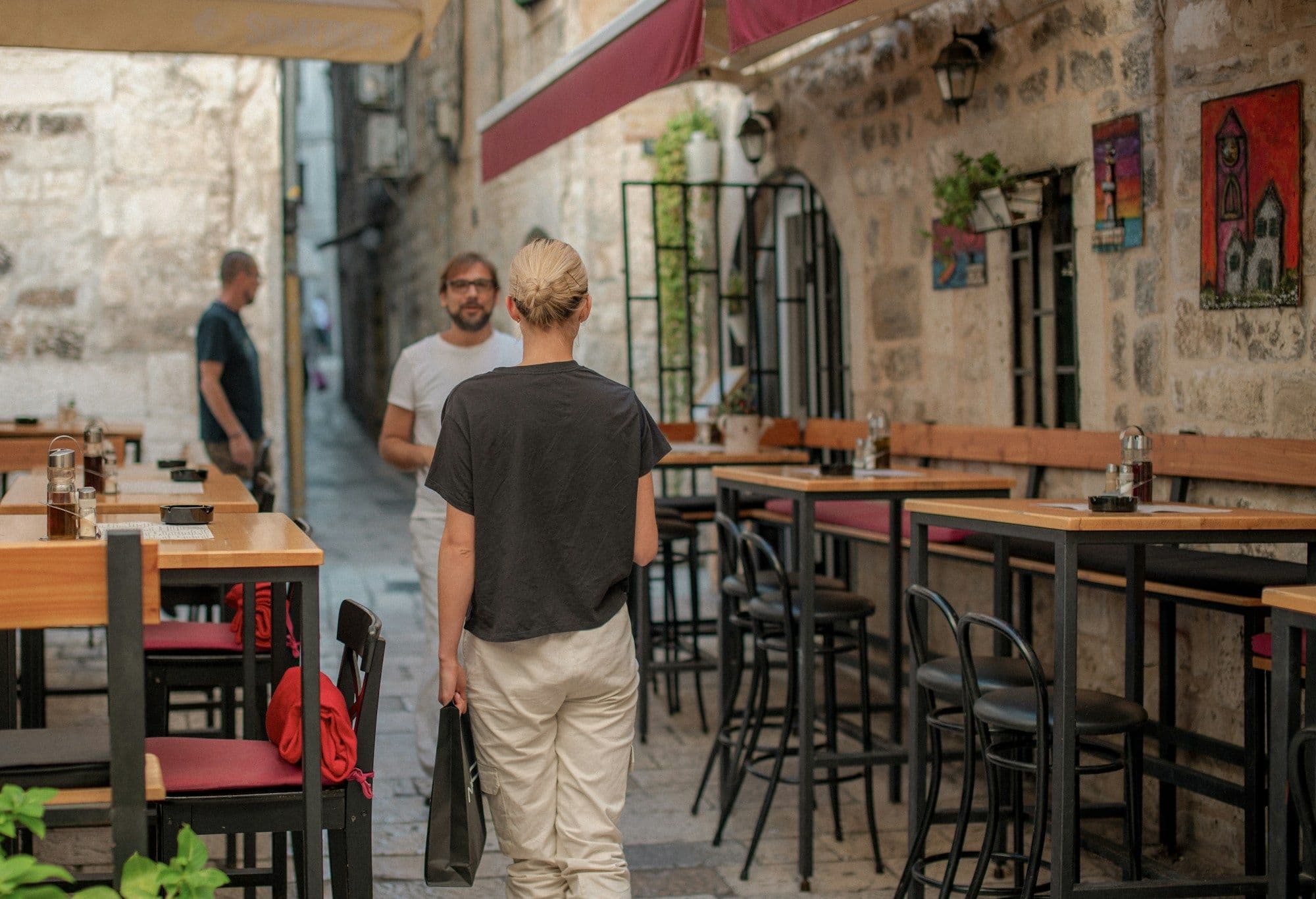
The US State Department lists common tourist-site scams, including inflated restaurant bills and distraction tactics. A guide can help you recognise a situation that feels off, but the practical move is still yours: leave, use your own transport and do not hand over money under pressure.
The Federal Trade Commission advises checking terms before you pay, researching providers and avoiding payment methods that are difficult to reverse. That applies before a trip and on the pavement.
Why can local context matter more for LGBTQ+ travelers?
Local context is useful when the question is personal: which area feels good for dinner with your partner, where to start a solo night out, or which queer venue is lively on a Tuesday rather than just famous online. A guide cannot promise safety, but can help turn a vague plan into a more informed one.

Be direct about your interests and boundaries. “Queer history, a relaxed dinner and one bar I can return to alone” is useful. So is “no nightlife, no crowded attractions and plenty of time to sit down.” For the small amount of planning worth doing before you fly, read LGBTQ+ travel safety without fear-based planning.
Start with local context
Explore the cities we cover and find an LGBTQ+ guide who can help you make better choices without scripting your whole trip.
Explore citiesFrequently asked questions about avoiding tourist traps with a local guide
Can a local guide really help me avoid tourist traps?
Yes, when you use the guide for context rather than expecting a magic list. A good guide can explain timing, neighbourhoods, realistic prices and the trade-offs behind popular places. They cannot guarantee every choice will suit you, so say what you value and keep the final decision yours.
What is the best question to ask a local guide?
Ask what they would skip and why. It invites an honest answer about crowds, price, timing or fit. Then give the guide your own priorities: a calm dinner, queer history, excellent coffee, an easy night out or a route with minimal walking. The answer should become more specific.
Are famous attractions always tourist traps?
No. A famous attraction may be genuinely worth your time. The better question is whether it works for this day: can you book a time slot, do you want the queue, and what will you do nearby afterwards? A guide can help you turn a headline sight into a good afternoon.
How do I know if a tour guide is legitimate?
Check the guide's profile, the booking terms and any local licensing rules that apply in that city. New York City, for example, requires people guiding visitors for a fee to hold a sightseeing-guide licence. Avoid anyone who will not state the cost clearly or pushes you to pay in an untraceable way.
Should I book a local guide for my whole trip?
Usually, no. One focused tour can give you orientation and a handful of good options for later. Book more time only if you want deep knowledge on a subject, need practical support, or simply enjoy exploring with someone. Leave room to return to the places that caught your attention.