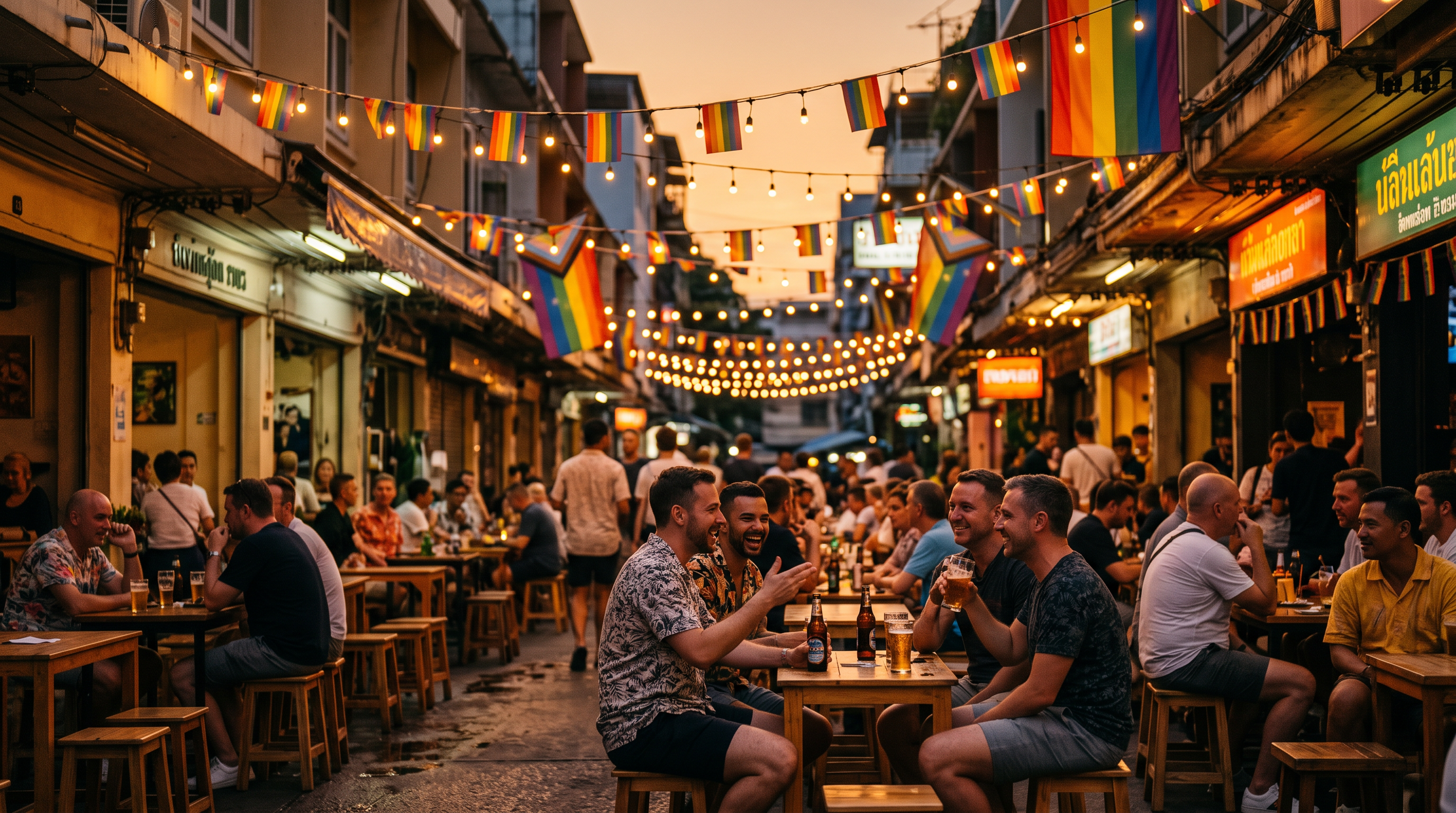
Mexico City's gay scene is centered on Zona Rosa, a grid of streets in Colonia Juárez where Amberes, Londres, Florencia and Niza hold dozens of gay bars within a ten-minute walk. Roma and Condesa, just south, add the design-led clubs and drag. Same-sex marriage has been legal here since 2010 and nationwide since 2022, and Pride fills Paseo de la Reforma every late June.
The first thing you notice is how ordinary it all is. Two men share a plate of tacos on Florencia at 2 AM, a drag queen in full face waits for her Uber outside a convenience store, and nobody looks twice. This is a metro area of more than 20 million people, and the queer part of it is simply part of the furniture.
This guide gets specific: which street to start on and when to leave it, which clubs are worth the late start, the bathhouses locals actually use, where to sleep and eat, how Pride works, and the safety habits that matter in a city this size. Every venue below was checked in September 2026. If you'd rather have someone walk you through it, our verified Mexico City guides do exactly that.
How a night out in gay Mexico City works
Mexico City goes out late, then later. Dinner is at 9 or 10 PM, the Zona Rosa bars fill from about 11, and the clubs are close to empty before 1 AM. Nobody who lives here arrives at a club at midnight unless they're on the guest list or the staff.
A good night has three acts. Start on Amberes or Londres with cheap drinks and a drag set, move to a bigger club after 1 AM, and finish with tacos al pastor on Florencia while the sky goes grey. The streets between the bars stay busy until 3 or 4 AM on weekends, which is part of why the area feels so easy to move around.
Nobody in Mexico City says "early night". They say "just one more", and then it's 5 AM on Florencia with a plate of tacos.
Most Zona Rosa bars open Thursday to Saturday, with a handful running every day. Covers are low or free, drinks are cheap, and a few older places take cash only. The newer clubs in Roma and Juárez have dress codes: no caps, tank tops, shorts or flip-flops.
Where to stay in Mexico City as a gay traveler
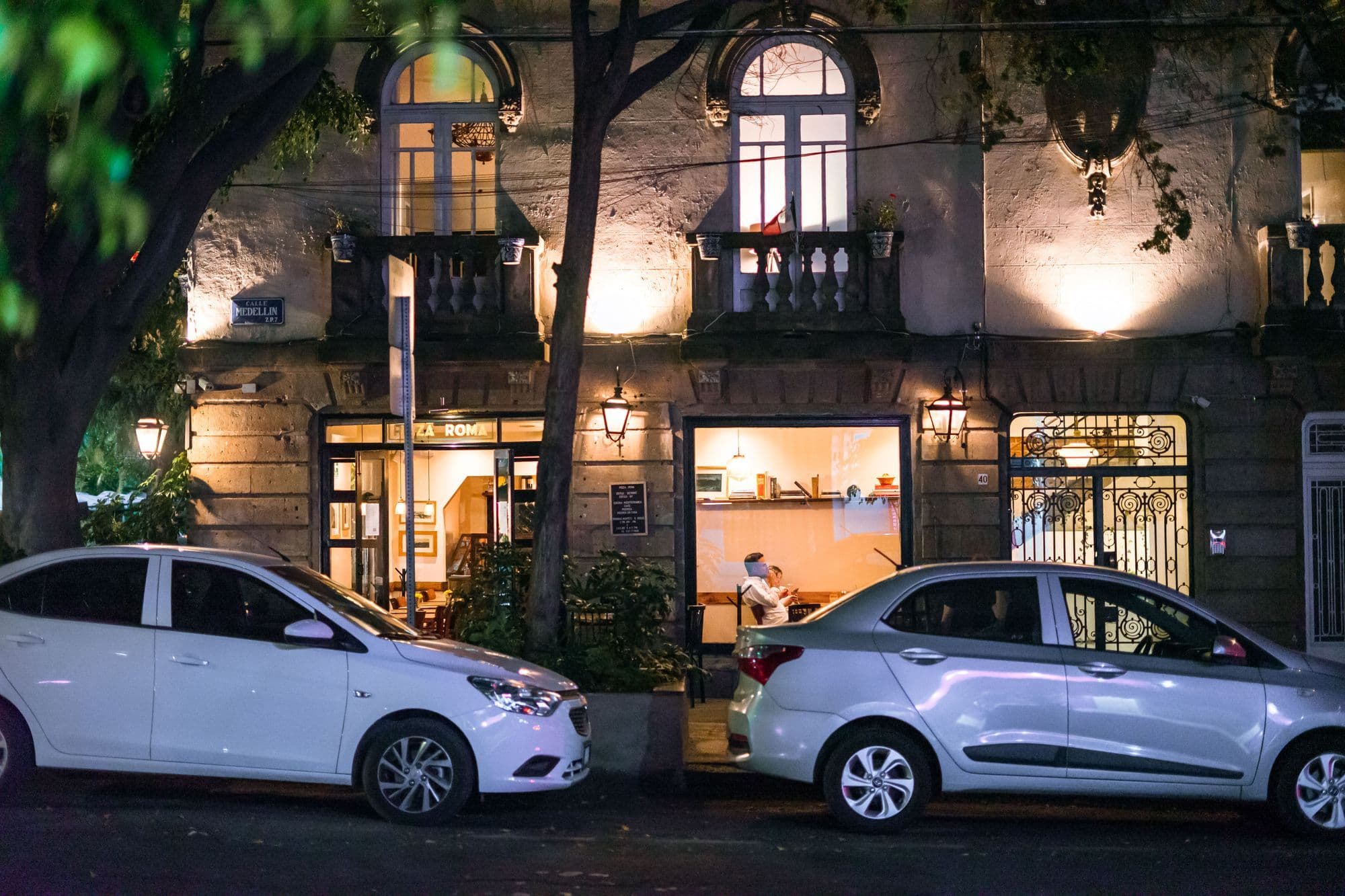
Where you sleep decides how you get home at 3 AM. Zona Rosa, Roma Norte and Condesa are all close to each other and to the bars, and all three are among the most comfortable parts of the city for gay couples. Choose on noise and budget rather than on safety.
- Zona Rosa and Juárez (roughly $70 to $180): on top of the bars and the Metro, with good-value hotels. Weekend nights are loud, so ask for a room off the street.
- Roma Norte (roughly $120 to $250): the best restaurants and mezcal bars, and walkable to both Zona Rosa and the Roma clubs.
- Condesa (roughly $120 to $250): greener and quieter, with Parque México and Parque España at its center. A 15-minute Uber from Amberes.
- Polanco ($160 to $350 and up): luxury hotels and fine dining next to Chapultepec. Great for a comfortable base; every night out starts with a car.
Gay bars in Zona Rosa
Zona Rosa is where the night starts. Most bars sit on or just off Amberes and Londres, open from around 8 or 9 PM Thursday to Saturday, and charge little or nothing to get in. Five to know, including one leather bar just south and one old-school room in the historic center:
Papi Fun Bar
BarZona Rosa, Amberes · No cover; some of the cheapest drinks on the strip · Tue to Sun 2:30 PM to 2:30 AM; happy hour until 8 PM
Amberes 18, Juárez, Mexico City
- Street-side tables
- Drag and go-go shows
- Mixed crowd
Tip: The right first stop. Grab a table facing Amberes before 10 PM and watch the street decide where it's going.
This is the old King Bar address, and it still does what it did then: cheap drinks, a patio on the busiest corner of the gay area, and shows through the week. It opens in the afternoon, so it doubles as the place to meet friends before dinner.
Kinky Bar
BarZona Rosa, Amberes · Cover around 130 to 150 pesos · Thu to Sat 9:30 PM to 4 AM; busiest after midnight
Amberes 1, Juárez, Mexico City
- Three floors
- Glass karaoke bar
- Smoking terrace
Tip: Each floor is a different night. Start in the cantina downstairs, finish on the roof terrace when the karaoke gets serious.
The most polished bar in Zona Rosa, with a young, dressed-up crowd. A Mexican cantina with Latin music on the ground floor, a glass-walled karaoke bar in the middle and a terrace on top. It's the dressier alternative to the cruisier rooms nearby.
Nicho Bears & Bar
BarZona Rosa, Londres · Thursdays have been free; low cover on weekends · Thu from 9 PM; Fri and Sat 8 PM to 3 AM
Londres 182, Juárez, Mexico City
- Bear bar
- Friday bear karaoke
- Strong pours
Tip: Friday karaoke is the night to go solo. By the second song, someone will have pulled you into a table.
Mexico's bear community treats Nicho as home base all year, and in Pride week it's packed wall to wall with Bearmex visitors. Admirers are welcome, the decor is happily kitsch, and the crowd is the most sociable in the area.
Tom's Leather Bar
BarHipódromo, south of Zona Rosa · Cover varies by night, about 100 to 350 pesos with drink tickets · Tue to Sun from 9 PM to about 3 AM; Tuesdays are the local favorite
Avenida Insurgentes Sur 357, Hipódromo, Mexico City
- Men only
- Dark room
- Go-go dancers
Tip: Keep your drink tickets. The Tuesday deal is the best-value night out in the city and fills the place.
Running since the 1990s and inspired by Tom of Finland: candlelight, gothic decor, two levels and a dark room at the back. It's a genuine cruise bar rather than a leather-themed club. A five-minute Uber down Insurgentes from Zona Rosa.
Marrakech Salón
BarCentro Histórico · Cheap drinks; cash only · Thu to Sat from 6 PM to about 2:30 AM
República de Cuba 18, Centro, Mexico City
- Retro décor
- Bar-top dancing
- 80s pop and cumbia
Tip: Locals call it El Marra. Go before midnight, bring cash, and take an Uber there and back rather than walking the Centro late.
The most Mexican gay night in the city, and our favorite: shirtless bartenders, 80s pop into cumbia, and a crowd that dances on the bar rather than posing next to it. República de Cuba has become a small queer strip of its own, with sister bars La Purísima and Soberbia a few doors away.
Back in Zona Rosa, the smaller places are worth a wander. Cabaré-Tito Fusión at Londres 77 runs shows and DJs from 7 PM on Tuesdays and Thursday to Saturday, and Mami at Londres 71 is the reggaeton-and-beer-bucket room. Rico Club at Niza 45 has been shut by the authorities more than once, so check before you go.
Gay clubs in Mexico City
After 1 AM the night splits. The pop crowd stays in Zona Rosa, the fashion crowd heads to Roma, and the house-and-techno crowd goes to Juárez and doesn't come out until breakfast.
Blow Bar
ClubZona Rosa, Niza · Cover around 70 pesos, up to 150 on show nights · Thu to Sat 8:30 PM to 3:30 AM; peaks from 1 AM
Niza 40, Juárez, Mexico City
- Three levels and a rooftop
- Go-go and drag shows
- Pop and reggaeton
Tip: Saturday show nights sell out the floor by 1 AM. Arrive by midnight, as their own posts keep telling you.
The loudest room in Zona Rosa and the heir to the much-missed Boy Bar: neon, three floors, a rooftop lounge and a crowd that comes to flirt as much as to dance. If you only do one Zona Rosa club, this is the one.
Guilt
ClubRoma Norte · Cover around 240 pesos · Thu to Sat from 11 PM until about 6 AM
Coahuila 92, Roma Norte, Mexico City
- Old house on several floors
- Pop and reggaeton rooms
- Strict dress code
Tip: No caps, shorts, tank tops or flip-flops. Older guides list a Polanco address; the club is now in Roma, in the same building as Dragaret.
Where the fashion crowd goes. Guilt fills a big old Roma house with separate rooms for pop, electro and reggaeton plus a rooftop, and the door is choosy about what you're wearing. On Thursdays the same building hosts Dragaret, so a show-then-club night never leaves the block.
Sic Community Club
ClubJuárez · Saturdays; nothing happens before 2 AM, and it runs until sunrise
Versalles 64, Juárez, Mexico City
- Queer house and techno
- Three rooms
- Local and international DJs
Tip: Arrive before 2 AM to skip the line. On Fridays the same venue hosts Estéreo, a pop party with drag.
The serious dance floor. Sic is a queer house-and-techno party with a disco room, a techno basement that feels more Berlin than CDMX, and a crowd of mostly gay locals in their 20s and 30s. Estéreo, its Friday sibling at the same address, swaps the techno for pop and drag.
Do Zona Rosa with someone who lives it
Our verified Mexico City guides know which night is which, which door has a dress code, and how to get you home. Private, safety-first, booked in minutes.
Meet Mexico City guidesDrag shows and cabaret in Mexico City
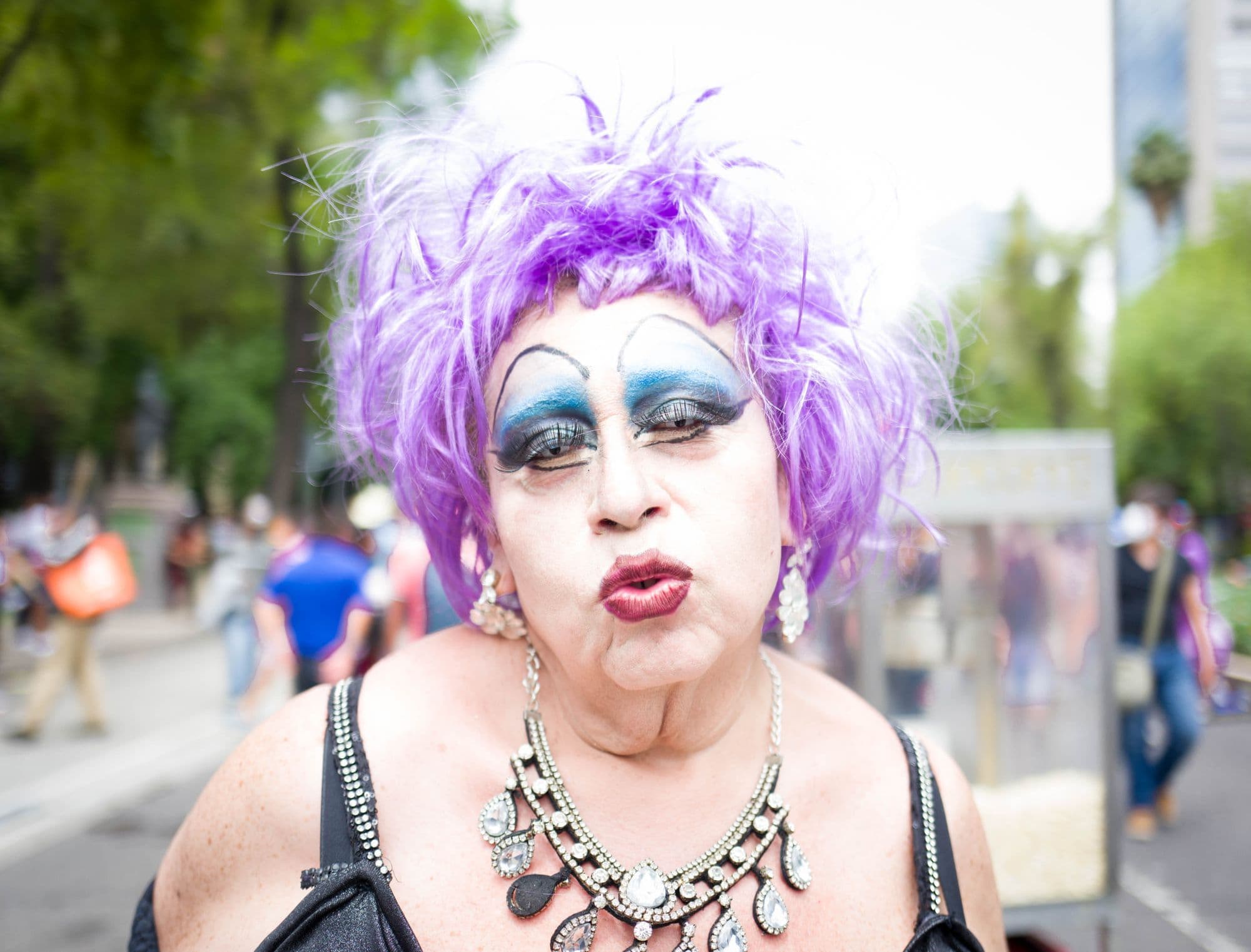
Mexico City drag covers everything from bar shows between songs to a full production with a live band. For the cheap, cheerful version, stay in Zona Rosa. For the headline act, book a table in Roma.
Dragaret
ShowRoma Norte · About 500 pesos per person; book a table · Thursdays from 10:30 PM; extra nights on some weekends
Coahuila 92, Roma Norte, Mexico City
- Drag with a live banda
- Dancers and singers
- The citys best-known drag show
Tip: Reserve and arrive by 10:30 PM. The show runs past 2 AM, and Guilt's dance floor opens in the same building when it ends.
Dragaret pairs drag queens with a brass banda, dancers and live vocals, a format you won't see anywhere outside Mexico. It has outgrown the club: during Pride 2026 it staged a gala at Teatro Metropólitan. The weekly show is still the way to see it.
Cabaré-Tito Punto y Aparte
ShowZona Rosa, Amberes · Beer 20 pesos until 8 PM, then 30 · Daily from 6 PM, Fri and Sat from 5 PM; the rooftop runs late at weekends
Amberes 61, Juárez, Mexico City
- Eight areas
- Three karaoke rooms
- Show terrace
Tip: Locals call it "el 61". Come for the cheap early beers, stay for whichever karaoke room is loudest.
Cabaré-Tito has been part of Zona Rosa for over 25 years, and this is its everyday workhorse: eight rooms, three dance floors and drag on the terrace. The group also runs El Taller, a basement bar on Florencia that first opened in 1986, closed in 2013 and was revived by Cabaré-Tito.
Gay saunas in Mexico City
Mexico City's gay bathhouses are a proper part of the scene, and they keep odd hours: one opens at 7 AM at weekends, another at 6 AM on weekdays. Sodome is the modern one most visitors use; Finisterre is the traditional Mexican steam bath locals have used for decades. Entry runs 140 to 400 pesos.
Sodome Bathhouse
SaunaAnzures, near Polanco · 300 to 400 pesos; 300 on weekend mornings; 200 for ages 18 to 23 on Thursdays · Mon and Wed 6 PM to midnight; Thu and Fri 6 PM to 2 AM; Sat 7 AM to 2 AM; Sun 7 AM to midnight. Closed most Tuesdays
Calzada General Mariano Escobedo 716, Anzures, Mexico City
- Sauna steam and jacuzzi
- Maze and private rooms
- Bar and theme nights
Tip: Weekend mornings are cheaper and busy with the after-club crowd. Suites are bookable if you want a room for the night.
Baños Finisterre
SaunaSan Rafael · General steam around 160 pesos; check before you go · Mon to Sat 6 AM to 9 PM; Sun 6 AM to 4 PM
Manuel María Contreras 11, San Rafael, Mexico City
- Traditional Mexican steam bath
- Massages
- Mostly local men
Tip: Go in the late morning after a big Saturday. It's a neighborhood institution, so keep it discreet and follow the regulars' lead.
The three do different jobs. Sodome has a jacuzzi, a bar and theme nights, and is the easy pick for a first visit. Finisterre is steam, massage and older regulars. La Casita, five blocks south of Zona Rosa, is a straightforward cruise club that stays open after the bars close.
Gay-friendly restaurants and taco stops in Mexico City
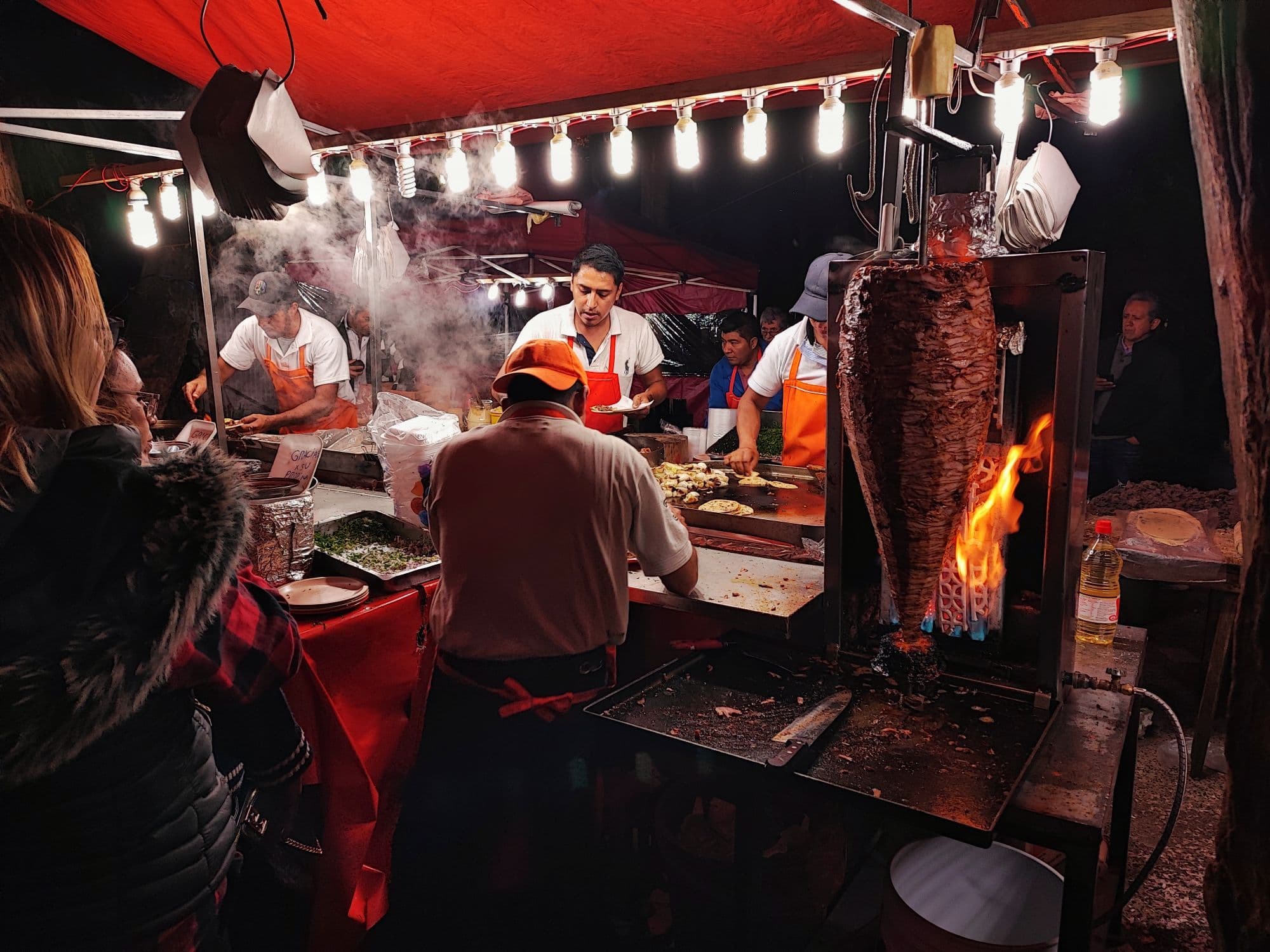
Mexico City is one of the great food cities, and Roma and Condesa, where most gay travelers stay, are also where most of the good tables are. Two anchors for daylight and one for the end of the night:
Contramar
RestaurantRoma Norte · Lunch daily, from noon on weekdays and 11 AM at weekends; closes around 8 PM
Durango 200, Roma Norte, Mexico City
- Tuna tostadas since 1998
- Michelin Bib Gourmand
- Long lunches
Tip: Book, or try your luck at the bar. Order the tuna tostada, then a whole grilled fish to share.
Gabriela Cámara opened Contramar in 1998, and its tuna tostada has since been copied across the city. Lunch is the whole event and runs long, which makes it an easy afternoon to pair with a Roma night out.
Lardo
RestaurantCondesa · Mon to Sat 7:30 AM to 11 PM; Sun 7:30 AM to 5:30 PM
Agustín Melgar 6, corner of Mazatlán, Condesa, Mexico City
- Elena Reygadas bakery-restaurant, Wood-oven Mediterranean, Breakfast done well
Tip: Tables need a reservation, but the bar doesn't. Go for breakfast, when the room is calm.
Taquería Orinoco
RestaurantZona Rosa, Florencia · Daily from 1 PM; until 3 AM Sun to Wed, 4 AM Thu, 5 AM Fri and Sat
Florencia 18, Juárez, Mexico City
- Late-night tacos
- Two blocks from the bars
- Several branches
Tip: This is where Zona Rosa ends up at 4 AM. The line moves fast; order more than you think.
For everything in between, every block in Roma and Juárez has a taco stand with a trompo. Cash is still the norm at the stands.
Things to do in Mexico City by day
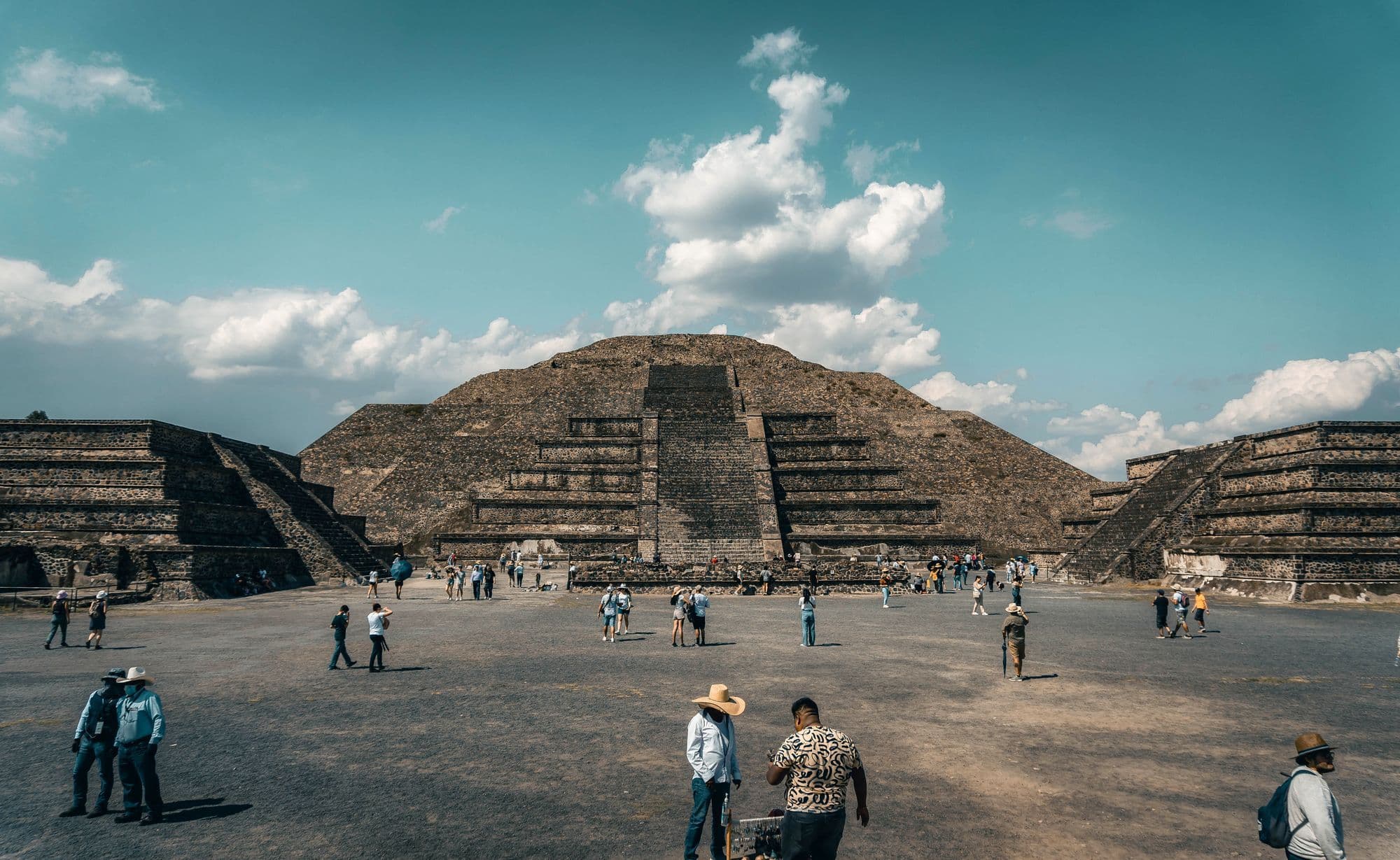
The city sits at 2,240 meters, so plan your first day around the altitude, not against it. Drink water, go easy on the mezcal, and keep the big day trips for later in the trip. From May to October the afternoons bring heavy storms, so do outdoor plans in the morning.
Chapultepec Park is the day's anchor: the National Museum of Anthropology alone deserves three hours, and the castle on the hill has the best view in town. The Frida Kahlo Museum in Coyoacán sells out days ahead, so book online before you fly. Teotihuacan's pyramids are the classic day trip; go at opening time.
- Keep one slow morning for Parque México in Condesa, coffee in hand
- Take the Metro by day for short hops; switch to Uber or DiDi with luggage or after dark
- Hire a boat in Xochimilco on a weekend if you want the party version, a weekday if you want the canals
If you want more of Mexico, Guadalajara has the country's second-biggest gay scene and Puerto Vallarta is its gay beach town, both a short flight away. For the museums or the pyramids with real context, a local guide on your first day saves hours of queues and guesswork.
Mexico City Pride: what to know for 2027
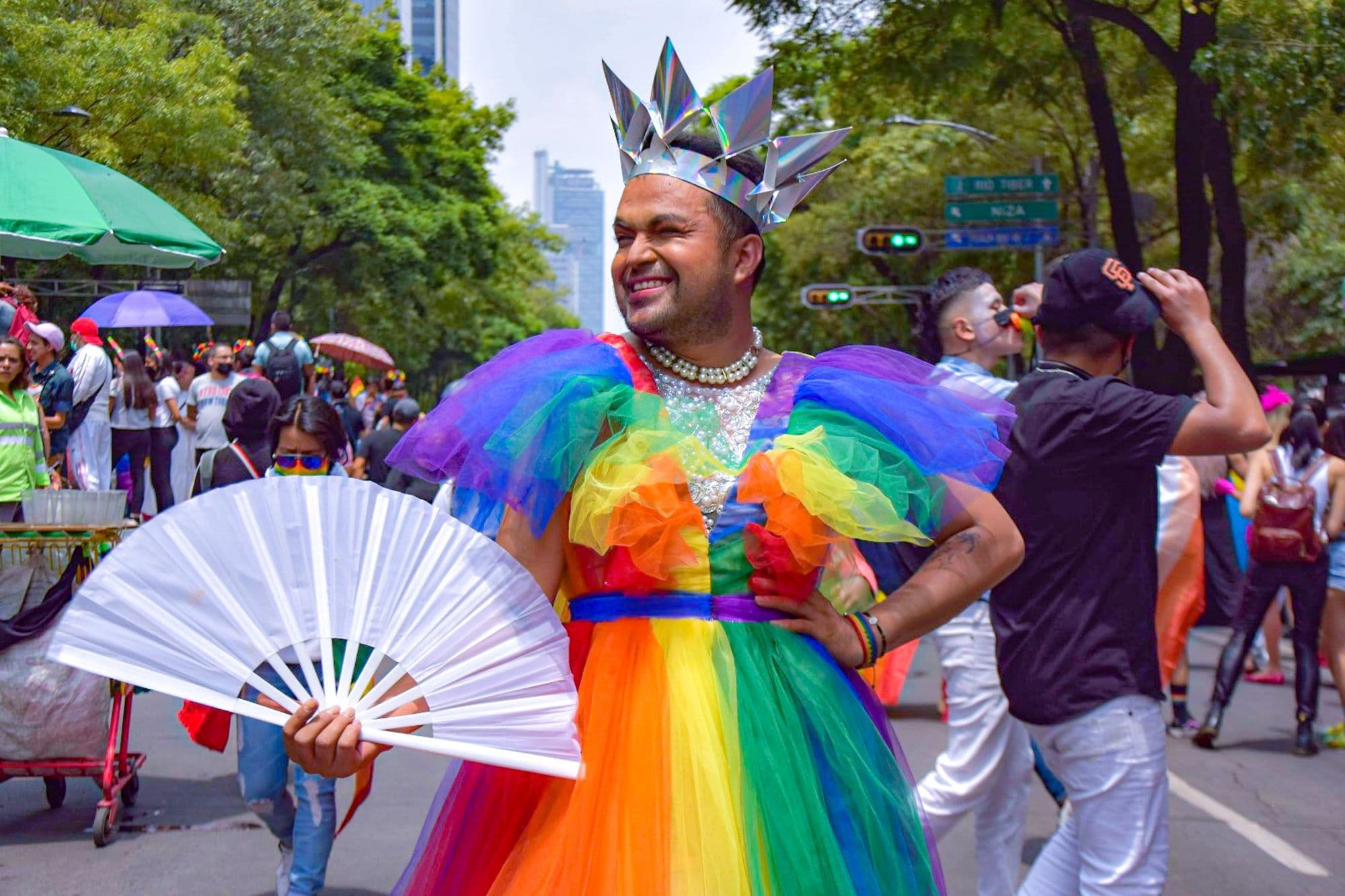
Marcha del Orgullo: the last Saturday of June
Mexico City Pride is a march, usually held on the last Saturday of June, and it's one of the largest in Latin America. The 48th edition ran on Saturday 27 June 2026, with the World Cup Fan Fest running on the Zócalo at the same time. It gathered at the Ángel de la Independencia from 10 AM and moved along Paseo de la Reforma and Avenida Juárez toward the Zócalo, with the main stage at Bellas Artes.
The city government put attendance at about 550,000 and reported no significant incidents, per El Financiero's march guide and the city's post-march figures. For the third year running, a silent stretch near the Antimonumento de los 43 honored LGBT+ victims of violence. On that pattern, the 2027 march falls on Saturday 26 June; confirm once the organizing committee publishes the date in spring.
Bearmex and the Pride week parties
Pride week is also party week. Bearmex runs its Bear Pride weekend around the march (25 to 29 June in 2026, with Mr. Bearmex and a contingent in the parade), Guilt and Sic throw their biggest nights of the year, and Dragaret took over Teatro Metropólitan for a gala in 2026. Our Pride weekend guide for first-time visitors covers pacing, groups and crowds.
Is Mexico City safe for gay travelers?
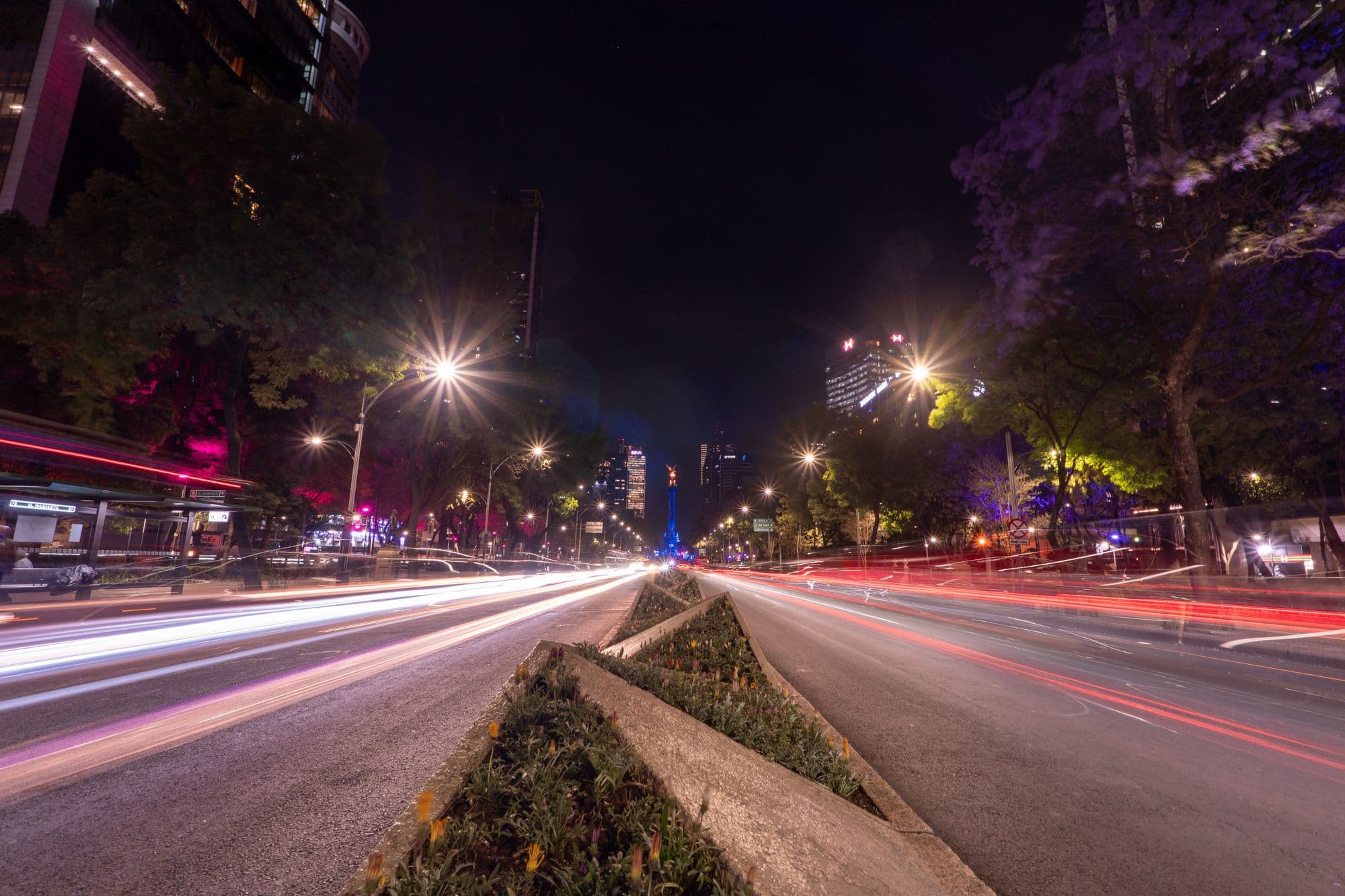
Yes, in the areas where you'll spend your time. Holding hands in Zona Rosa, Roma or Condesa draws no attention, and the law is firmly on your side. The risks are the ones of any city of 22 million: pickpockets, the occasional late-night mugging, and, specific to gay men, robberies set up through dating apps.
The historic center empties after dark, so take a car to and from Marrakech Salón rather than walking. The same goes for any neighborhood you don't know: ride between areas late at night, don't walk. For the wider approach to planning, see how to plan a safer LGBTQ+ city trip.
Sexual health is well looked after. The city-run Clínica Especializada Condesa, at Benjamín Hill 24 in Condesa, offers free HIV and STI testing, PrEP, and PEP after an exposure. Call ahead to confirm hours and what's available to visitors, and keep your travel insurance details on your phone.
What to pack for Mexico City
The altitude keeps things mild: warm days and cool nights for most of the year. From May to October, expect an afternoon downpour most days. Pride week sits right in the rainy season.
- Layers: a T-shirt for midday, a light jacket or overshirt for after dark
- A compact umbrella or packable rain jacket from May to October
- Proper shoes and long trousers for Guilt and the Roma clubs, where caps, shorts and flip-flops don't get in
- Comfortable walking shoes; the museum and park days are long
- A crossbody bag that closes, for the Metro and Pride
- Sunscreen; the sun is stronger at 2,240 meters than it feels
Before you go
- Carry pesos. Covers, tacos and older bars like Marrakech are cash first. Use bank ATMs inside shops or branches.
- Pace the altitude. Take the first night gently. Alcohol hits harder up here.
- Go out late. A club before 1 AM is an empty club.
- Book the must-dos. Dragaret tables, Contramar and the Frida Kahlo Museum all need planning.
- Book June early if you're coming for Pride. Rooms near Reforma go first.
Mexico City has been getting this right for a long time: Zona Rosa has been gay for decades, the capital legalized same-sex marriage twelve years before the rest of the country, and half a million people march every June. Come for a long weekend and you'll start planning the next one on the way to the airport.
Plan your Mexico City trip with a local
Browse verified LGBTQ+ guides in Mexico City, message them once your booking is confirmed, and skip the guesswork.
See Mexico City guidesNew to booking a guide? Start with the first-timer's guide to booking a gay tour guide.
Frequently asked questions about gay Mexico City
Where is the gay area in Mexico City?
Zona Rosa, in Colonia Juárez, just south of Paseo de la Reforma. Most gay bars are on Amberes, Londres, Florencia and Niza, a ten-minute walk from end to end, with Metro Insurgentes at the southern corner. Roma Norte and Condesa, next door, have the design-led clubs, Dragaret and many of the gay-friendly hotels and restaurants.
Is Mexico City safe for gay couples?
Yes, in Zona Rosa, Roma, Condesa and Polanco, where holding hands draws no attention. Use normal big-city care: take Uber or DiDi after midnight instead of street taxis, watch your drink, keep your phone in a front pocket, and meet dating-app matches somewhere public first, since robberies arranged through apps have been reported.
Is same-sex marriage legal in Mexico?
Yes. Mexico City legalized same-sex marriage in 2010, and it has been legal in all 32 Mexican states since October 2022, when Tamaulipas became the last to change its law. Mexico's constitution also prohibits discrimination based on sexual preference, and marriages performed anywhere in the country must be recognized nationwide.
When is Mexico City Pride 2027?
The Marcha del Orgullo is usually held on the last Saturday of June, which points to Saturday 26 June 2027; the organizing committee confirms the date in spring. The 2026 march ran on 27 June from the Ángel de la Independencia along Reforma to the Zócalo, with about 550,000 people according to the city government.
What is the best gay sauna in Mexico City?
Sodome, at Mariano Escobedo 716 in Anzures, is the most popular with visitors: sauna, steam, jacuzzi, maze, bar and private rooms, with entry from 300 to 400 pesos. Baños Finisterre in San Rafael is the traditional local steam bath, open from 6 AM. La Casita on Insurgentes is a cruise club open until 7 AM.
What time do gay clubs open in Mexico City?
Most Zona Rosa bars open between 8 and 9 PM Thursday to Saturday, but clubs don't fill until 1 AM. Blow Bar runs until about 3:30 AM, Guilt until around 6 AM, and Sic, on Saturdays, starts properly after 2 AM and goes until sunrise. Plan dinner at 9 or 10 PM.