A 10-day Morocco itinerary can run from Casablanca to Marrakech by train: the Hassan II Mosque, a day in Rabat, three days in Fes, then Marrakech and the coast at Essaouira, with Chefchaouen or a Sahara crossing as options. Same-sex acts are illegal in Morocco, so the route is built around riads, local guides and discretion.
That sounds like a contradiction, and it is not. Morocco welcomes gay travelers every day, as long as affection stays private. What makes the trip hard is not the law but the medinas: thousands of lanes, persistent touts and very little signage. A sensible route and a local in each city solve most of that.
This plan covers each day, the trains and buses between the cities, 2026 ticket prices, the Sahara option and what a guide adds at every stop. It was checked in October 2026. Our guides work in Casablanca and Marrakech, with others in Rabat, Fes, Chefchaouen, Essaouira and Tangier.
How to plan 10 days in Morocco
Ten days is the right length for Morocco's classic loop: enough for the three great medinas of Fes, Marrakech and Essaouira, plus Casablanca and Rabat, without a day lost to every transfer. Fly into Casablanca and out of Marrakech, so you never retrace your steps.
The railway is the spine of the trip. ONCF trains link Casablanca, Rabat, Fes and Marrakech, and the Al Boraq high-speed line runs from Casablanca to Tangier in about 2 hours 10. Buses from CTM and Supratours fill the gaps to Chefchaouen and Essaouira, which have no railway. For the Sahara, you need a car and driver.
Go in spring or autumn. Summer is very hot inland, and the desert is extreme from June to August. Ramadan moves about eleven days earlier each year; travel during it is fine, but restaurant hours change and daytime eating in public is best avoided.
Is Morocco safe for gay travelers?
Yes, for visitors who keep affection private and stay off dating apps. The law in one sentence: Article 489 of Morocco's Penal Code punishes same-sex acts with six months to three years in prison and a fine of 200 to 1,000 dirhams, and it is enforced, mostly against Moroccans.
The UK government's Morocco advice warns that public affection can lead to prosecution and that dating apps may break laws on sex outside marriage. It also says the rule on unmarried couples sharing a room does not generally apply to foreign visitors in tourist areas. Australia's Smartraveller adds that such rules are more likely to be applied when one person is Moroccan. The US State Department and the ILGA World Database have their own summaries.
We do not repeat the full picture here. Our guide to traveling to countries where being gay is illegal covers enforcement, apps and your phone, and our Marrakech guide covers riads and daily life. Discretion and privacy for LGBTQ+ travelers explains what a guide sees about you before and after booking.
In Morocco the riad door is your privacy. Choose each night's stay as carefully as you choose the route.
Day 1: Casablanca and the Hassan II Mosque
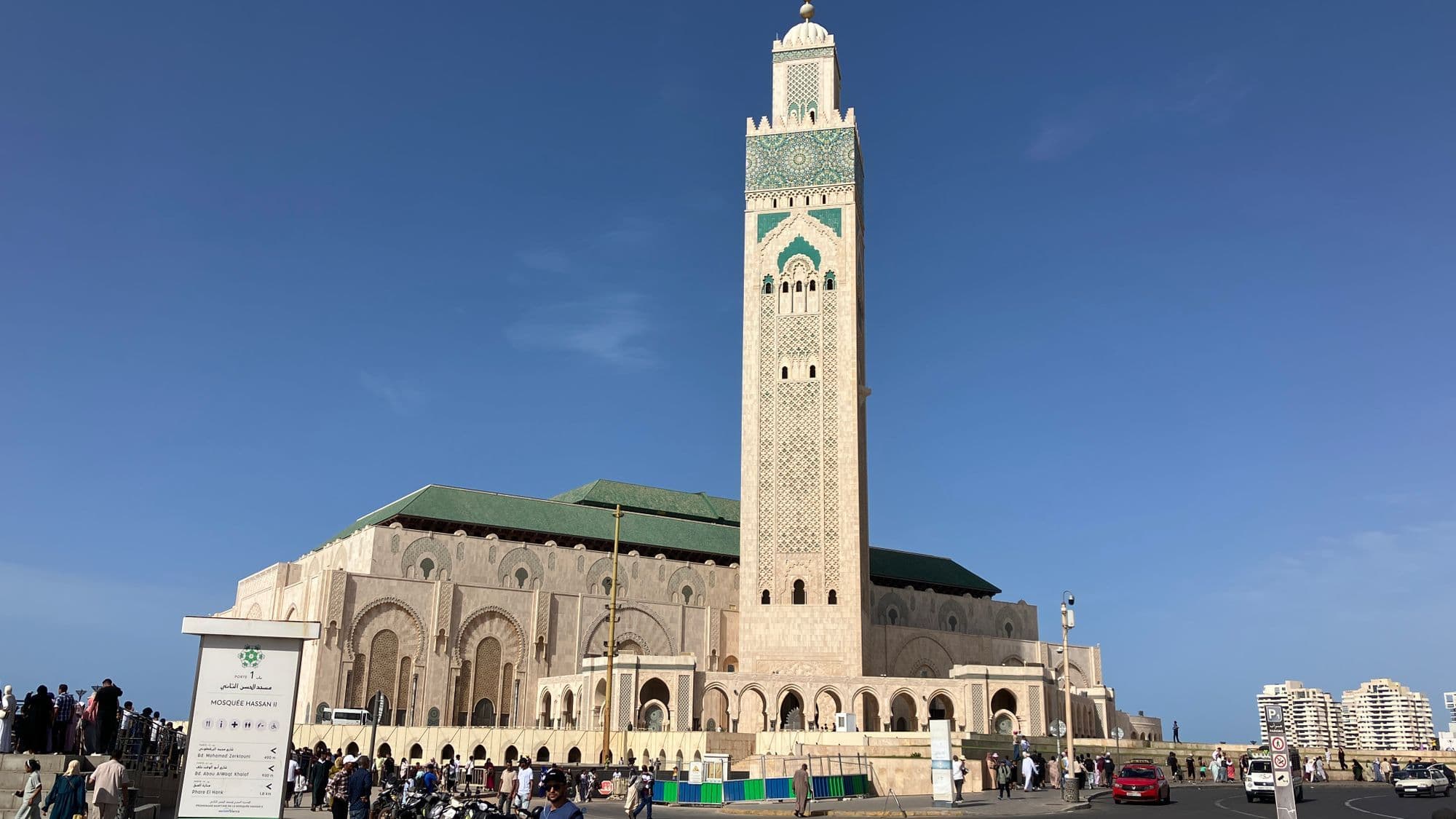
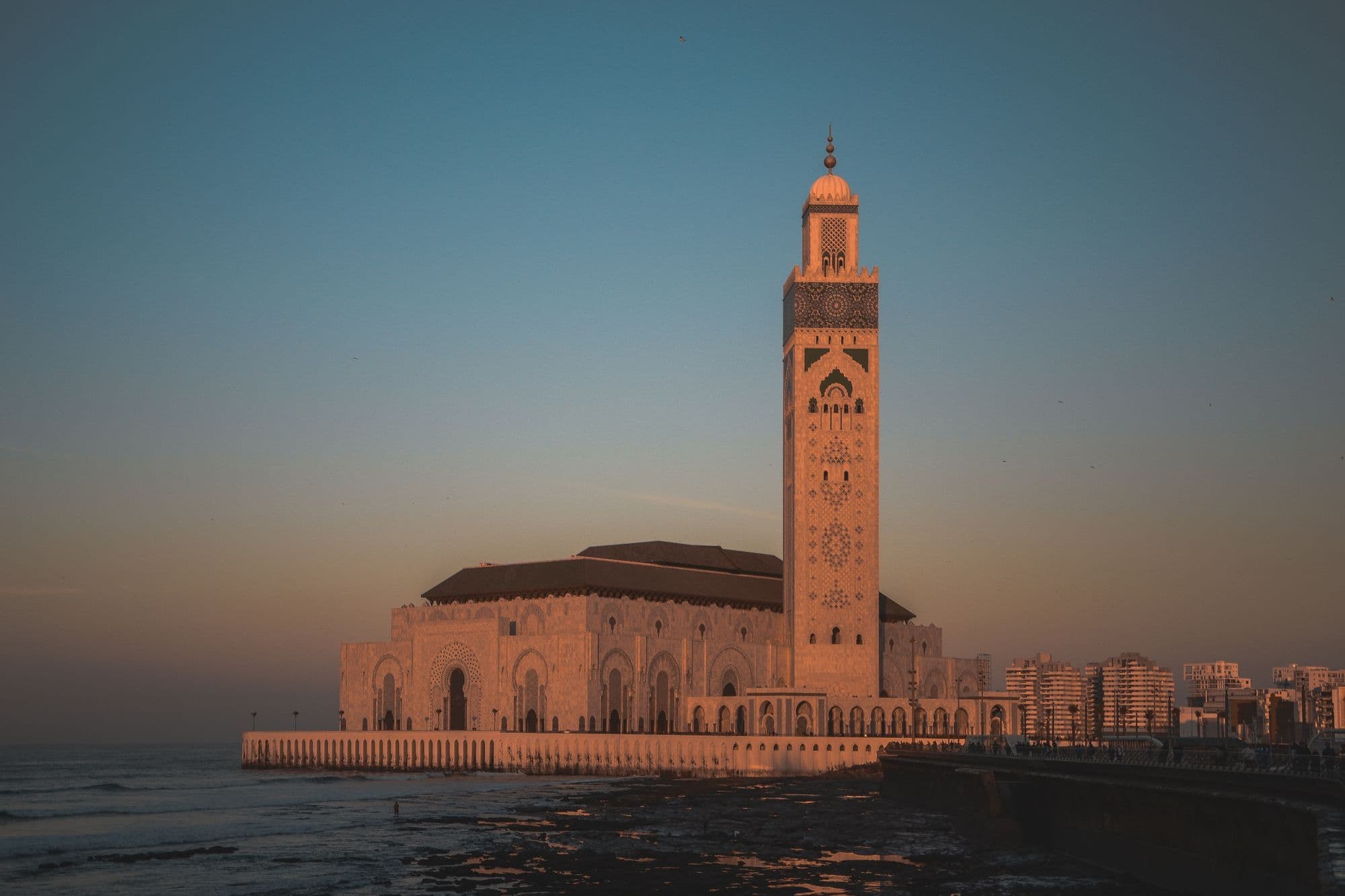
Spend your first day on the Hassan II Mosque, one of very few mosques in Morocco that non-Muslims can enter, and Casablanca's ocean front. From Mohammed V airport, the train to Casa Voyageurs takes about 35 minutes.
Hassan II Mosque
ActivityCasablanca ocean front · 140 dirhams for foreign adults; museum 30 dirhams extra · Guided visits Sat to Thu 8 to 11 AM and at 2 PM; Fri 8 to 10 AM and at 2 PM
- Open to non-Muslims
- Guided visits only
- On the Atlantic
Tip: Shoulders, chest and knees must be covered, and shoes come off inside. Take the morning slot and keep the afternoon for the city.
Casablanca is a working city rather than a monument city, and that is where a local guide helps most. They can link the mosque with the Art Deco streets of the old European centre, the Habous quarter's bookshops and pastry stalls, and a seafood lunch, in an order that avoids the worst of the traffic.
Start Morocco with a Casablanca local
Casablanca's local guides are ID-checked before their profiles go live. Book 4, 6 or 8 hours, and plan your first day in chat once your booking is confirmed.
Meet Casablanca's local guidesIf you are coming from Spain, start in Tangier instead and take Al Boraq to Casablanca in about 2 hours 10.
Day 2: Rabat, the capital
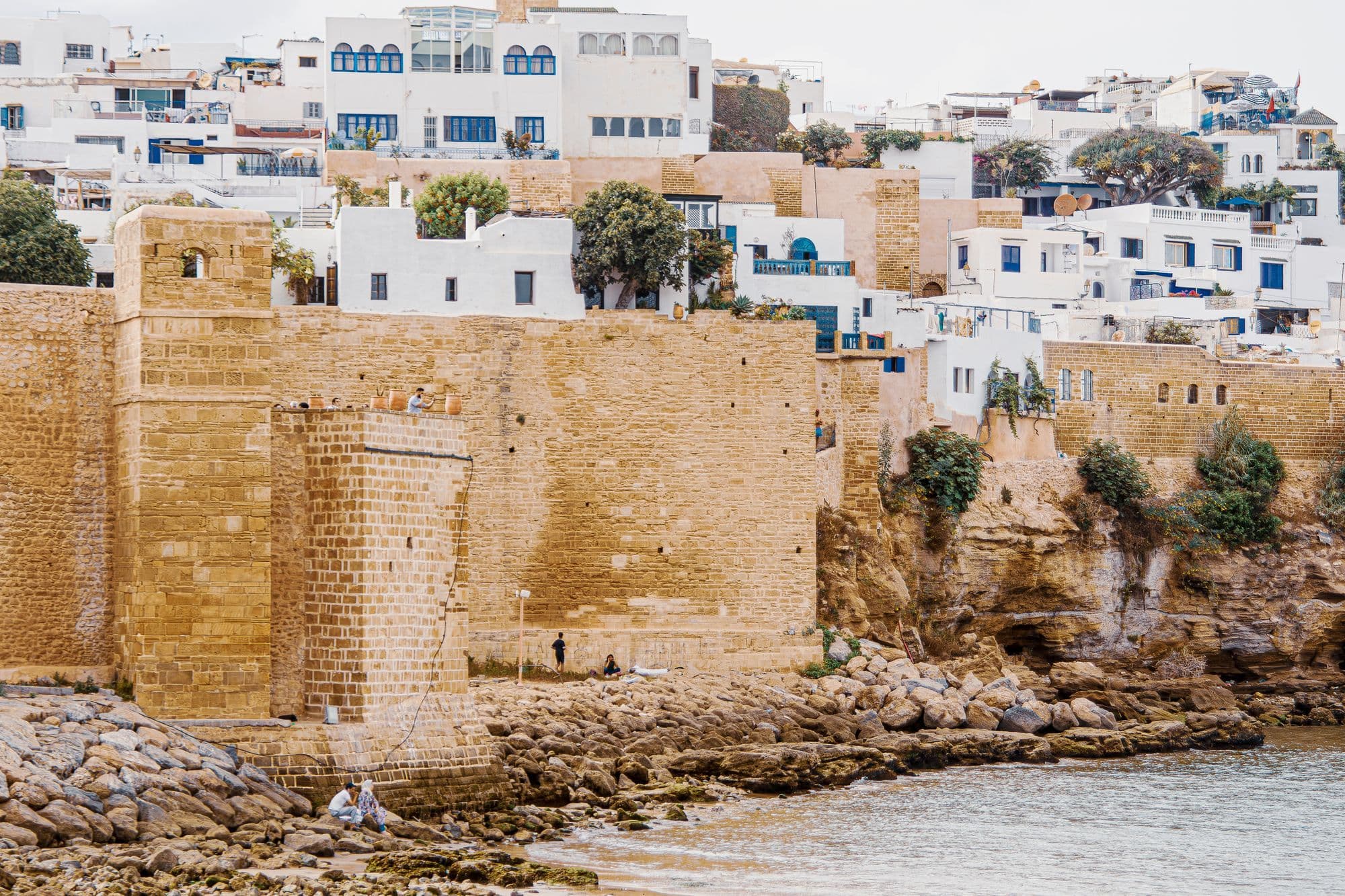
Rabat is about an hour north of Casablanca by train and is Morocco's calmest big city, with a medina where nobody chases you. Its old and colonial quarters are a UNESCO World Heritage Site.
- Morning: the Kasbah of the Udayas, free to enter, with its white-and-blue lanes and a terrace over the river mouth.
- Midday: the Hassan Tower, the unfinished 12th-century minaret, and the Mausoleum of Mohammed V beside it, both free.
- Afternoon: the Chellah, a walled necropolis with Roman ruins and storks, for about 70 dirhams.
Stay the night in Rabat and take a morning train to Fes. Rabat's local guide can put the three sites into one walk with lunch in the medina.
Days 3 to 5: Fes and its medina
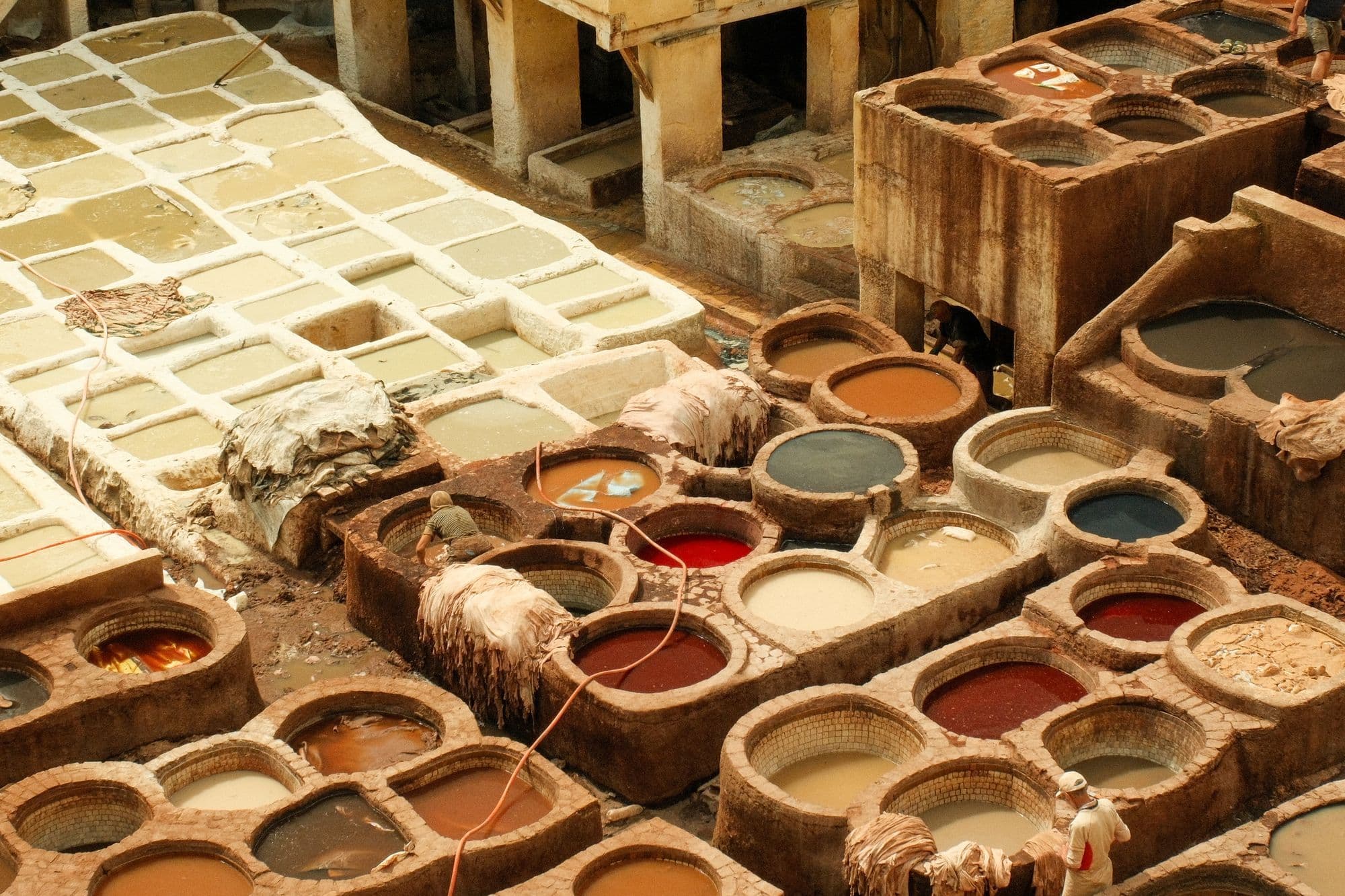
Give Fes three nights. Its old medina, Fes el-Bali, is a UNESCO World Heritage Site and the hardest place in Morocco to find your way, which is exactly why it rewards a guide. The train from Rabat takes about 2 hours 45.
- Day 3: arrive, settle into a riad and take an easy evening walk near your door.
- Day 4: a full day in the medina with a guide: the Bou Inania madrasa, the Al Quaraouiyine mosque from its doorway, the souks by trade, and the Chouara tannery.
- Day 5: Volubilis, the Roman city 70 km west, and Meknes, both UNESCO sites; or Chefchaouen, below.
At the tanneries you watch from the terraces of the leather shops around the vats. Shopkeepers hand out a sprig of mint for the smell and hope you buy; a small tip of 10 to 20 dirhams is the polite way to leave if you don't. Volubilis costs 70 dirhams and opens from 8:30 AM to 6 PM.
Do I need a guide in the Fes medina?
For your first full day, yes. Men posing as guides wait at Bab Bou Jeloud, the Blue Gate, telling visitors the medina is closed or that a festival is on, and steering them to a cousin's shop. The UK government advises that any guide in a medina should carry an official badge.
A booked local guide solves all of it: they meet you at your riad, walk you to the madrasa before the groups, explain what the tanneries and the craftsmen are doing, and make the touts lose interest. By Day 5 you will find your way around much of it yourself. Our post on how local guides help you avoid tourist traps covers the common tricks.
See the Fes medina with someone who knows it
Our Fes and Meknes guide is ID-checked before the profile goes live. Book 4, 6 or 8 hours, and agree your medina route in chat once your booking is confirmed.
Meet Fes and Meknes guidesIs Chefchaouen worth it?
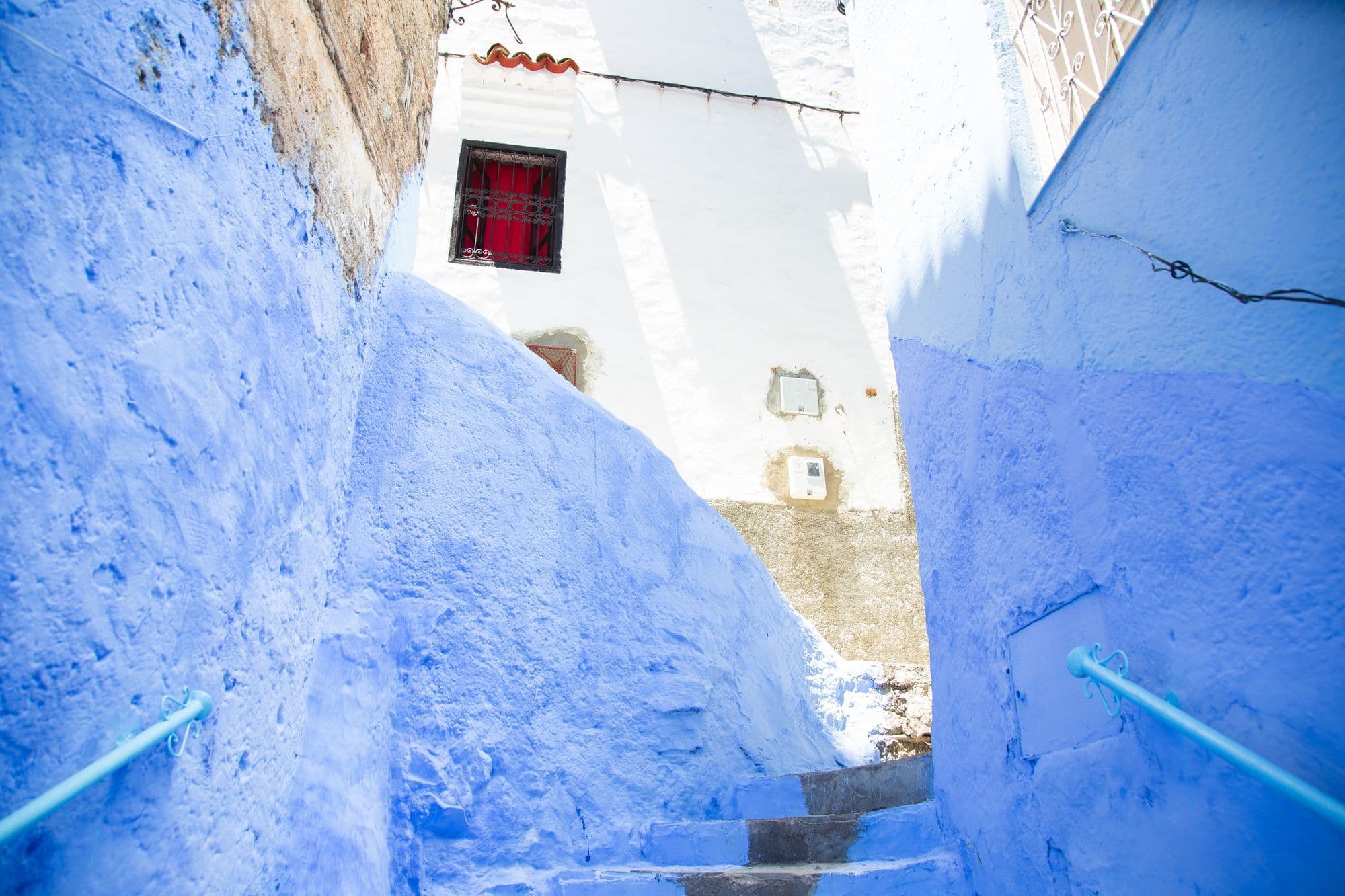
Yes, if you stay the night. Chefchaouen, the blue-washed town in the Rif mountains, has no railway, and CTM buses from Fes take about 4 hours 15 each way, which makes a day trip mostly a bus ride.
To fit it in, leave Fes on the morning of Day 5, sleep in Chefchaouen, and return to Fes for the Day 6 train south; or drop the Essaouira day later in the trip. In the evening, when the day-trippers have gone, walk up to the Spanish Mosque on the hill for the view back over the town. Chefchaouen's local guide knows the quieter lanes and the walking paths above the town.
Day 6: Fes to Marrakech by train, or the Sahara instead
The direct train from Fes to Marrakech takes about 6 hours 30. It is a long day, but a comfortable one in first class, and it gets you from the north to the south of the country without a car.
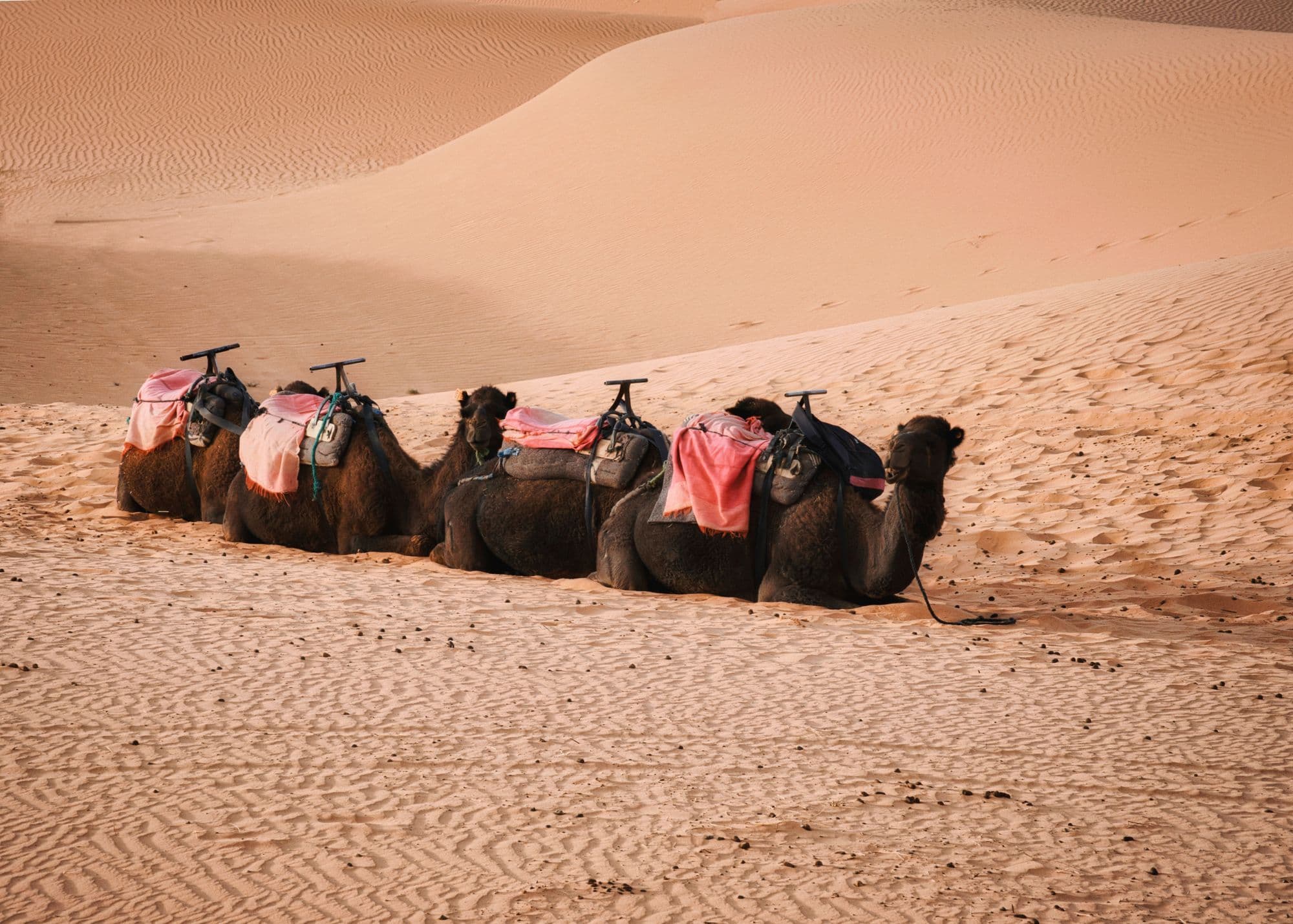
The alternative is the Sahara. Swap Days 6 to 8 for a three-day crossing by car: Fes to Merzouga and the Erg Chebbi dunes, around 470 km and seven to nine hours of driving, a night in a desert camp, then on through the gorges to Marrakech, around 560 km and nine to eleven hours. The road into Marrakech passes Aït Benhaddou, the fortified village from countless films.
It is a lot of driving for one night in the dunes, and you lose two days of Marrakech. It is worth it if the desert is the reason you came. Book a private tent and a private car, ask the operator directly how they handle couples, and expect cold nights from November to February.
Days 7 to 9: Marrakech and Essaouira
Spend two days in Marrakech and one on the coast at Essaouira. Marrakech's medina is a UNESCO World Heritage Site, and our gay Marrakech guide has the riads, hammams, rooftops and Yves Saint Laurent's Jardin Majorelle in detail.
- Day 7: the medina with a guide: the Bahia Palace, the souks and the Ben Youssef madrasa, then Jemaa el-Fna at dusk.
- Day 8: the Jardin Majorelle and the YSL museum in the morning, a hammam in the afternoon, dinner on a rooftop.
- Day 9: Essaouira, about 3 hours by Supratours bus with seven departures a day, or by private car.
A Marrakech guide adds the most in the souks: which workshops are worth your time, which prices are real and which shops pay commission. They can also steer you to a hammam that suits you, from a simple local one to a spa, and explain how each works.
Finish the trip with a Marrakech local
Marrakech's local guides are ID-checked before their profiles go live. Book 4, 6 or 8 hours, or several days in a row, and plan your time in chat once your booking is confirmed.
Meet Marrakech's local guides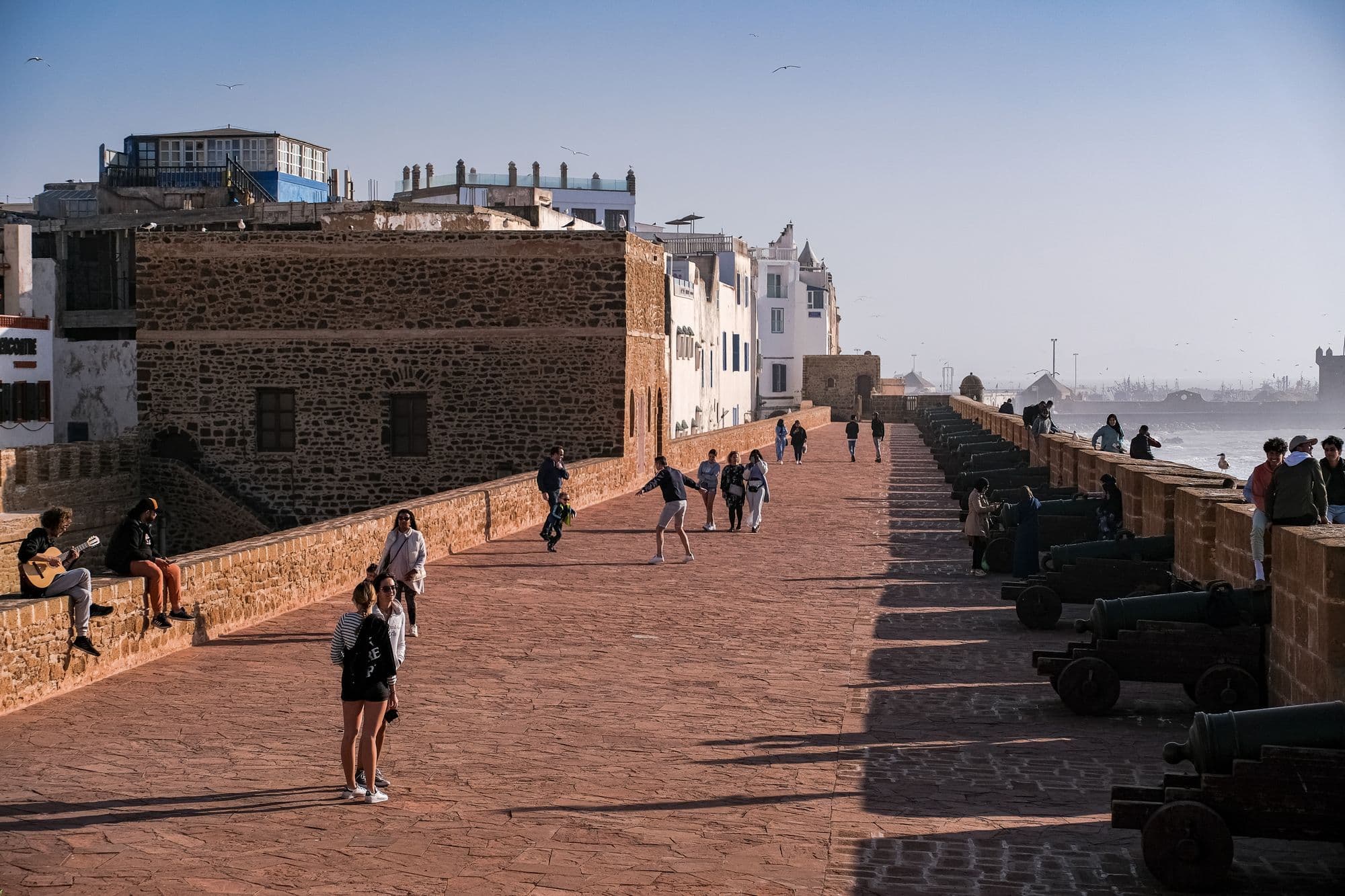
Essaouira's walled medina, built as the port of Mogador, is a UNESCO World Heritage Site, and it is the most relaxed of the three: wide lanes, art galleries, fish grilled at the port and a sea wall lined with cannons. Six hours on the bus makes a long day trip, so sleep there if you can and return on Day 10. Essaouira's local guide can take you through the medina, the port and the Jewish quarter.
Day 10: home from Marrakech or Casablanca
Fly home from Marrakech's Menara airport, or take the train back to Casablanca, about 2 hours 30 to 3 hours, for a long-haul connection from Mohammed V. If you slept in Essaouira, allow the full 3 hours back to Marrakech before an afternoon flight.
Private guide or a driver?
Use both: trains and buses between the cities, a driver only for the Sahara or a day trip, and a local guide in each medina. The transport is simple; the medinas are where an hour with someone who knows them saves a day.
You can book one guide for several days in a row or a different guide in each city. Multi-day tours explains how a single booking covers consecutive days, and each day can be 4, 6 or 8 hours. For a couple, our post on planning a more personal city trip has ideas for pacing.
Tipping is expected in Morocco. Our guide to tipping a private tour guide suggests 200 to 300 dirhams per party for a half day and 300 to 400 for a full day, in dirhams rather than euros or dollars.
Before you go
- Check your passport. The UK says it must be valid for at least 3 months after you arrive in Morocco, and undamaged.
- Book trains a day or two ahead in high season, especially Fes to Marrakech.
- Dress for mosques and medinas. Shoulders and knees covered is the norm, and required at the Hassan II Mosque.
- Carry dirhams. The currency cannot be bought abroad, so take cash from an ATM on arrival.
- Plan around Ramadan. In 2027 it is expected from about 8 February to 8 March; hours change, and the evenings are lively.
Morocco is at its best for travelers who give it time and a little trust. Ten days with a local in each medina turns the souks from a maze into a set of workshops, kitchens and stories, and leaves you wanting to come back for the south.
Plan your Morocco route with local guides
Browse Casablanca's local guides, book with the price locked when you request, and message your guide once the booking is confirmed.
See Casablanca guidesFrequently asked questions about a Morocco itinerary
Is Morocco safe for a gay couple in 2026?
Yes, for most visitors who keep affection private and avoid dating apps. Article 489 of the Penal Code makes same-sex acts illegal, with six months to three years in prison, and it is enforced mainly against Moroccans. The UK says the rule on unmarried couples sharing a room does not generally apply to foreign visitors in tourist areas.
Is 10 days enough for Morocco?
Ten days is enough for the classic route: Casablanca, Rabat, three days in Fes, two in Marrakech and a day in Essaouira, using trains and buses. Adding the Sahara takes three of those days, so drop Rabat or Essaouira if you want both. Two weeks lets you add Chefchaouen and a slower pace.
How do I get from Casablanca to Marrakech?
By train: ONCF trains between Casablanca and Marrakech take about 2 hours 30 to 3 hours. On this route you travel the other way round, via Rabat and Fes, and take the direct train from Fes to Marrakech, which takes about 6 hours 30. The high-speed Al Boraq line does not reach Marrakech yet.
Do I need a guide in the Fes medina?
For the first full day, it makes a real difference. The medina has no grid and few signs, and men posing as guides wait at Bab Bou Jeloud to steer visitors to shops. The UK government advises that medina guides should carry an official badge. A booked guide meets you at your riad and makes the touts lose interest.
Is Chefchaouen worth visiting from Fes?
Yes, but stay overnight. There is no railway, and the CTM bus from Fes takes about 4 hours 15 each way, so a day trip is mostly spent on the road. Staying the night lets you see the blue lanes after the day-trippers leave and walk up to the Spanish Mosque for the view.
What is the best time to visit Morocco?
March to May and September to November bring warm days and cool nights across the country. Summer is very hot in Fes, Marrakech and the desert, and winter nights in the Sahara are cold. Ramadan moves earlier each year; in 2027 it is expected from about 8 February to 8 March.