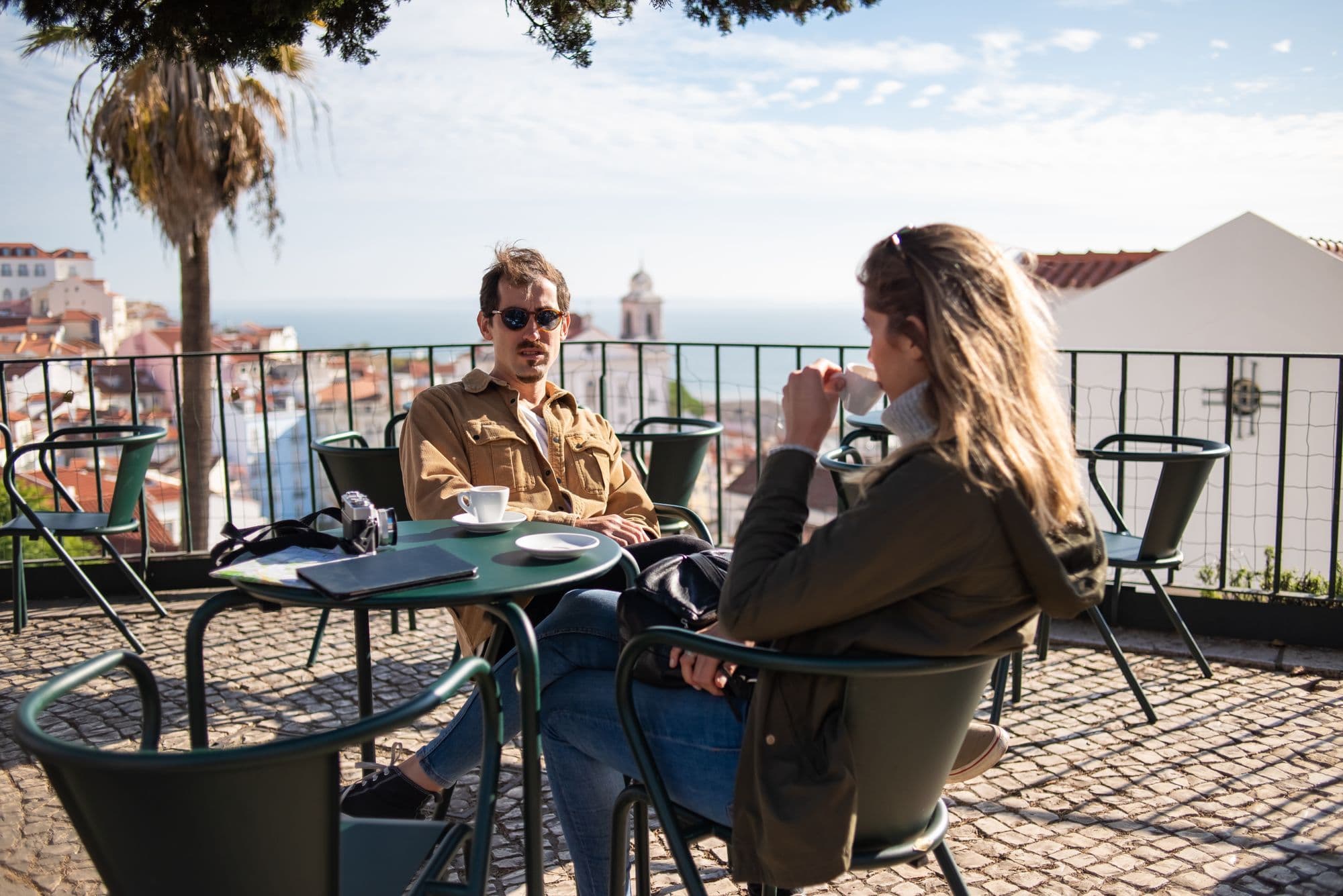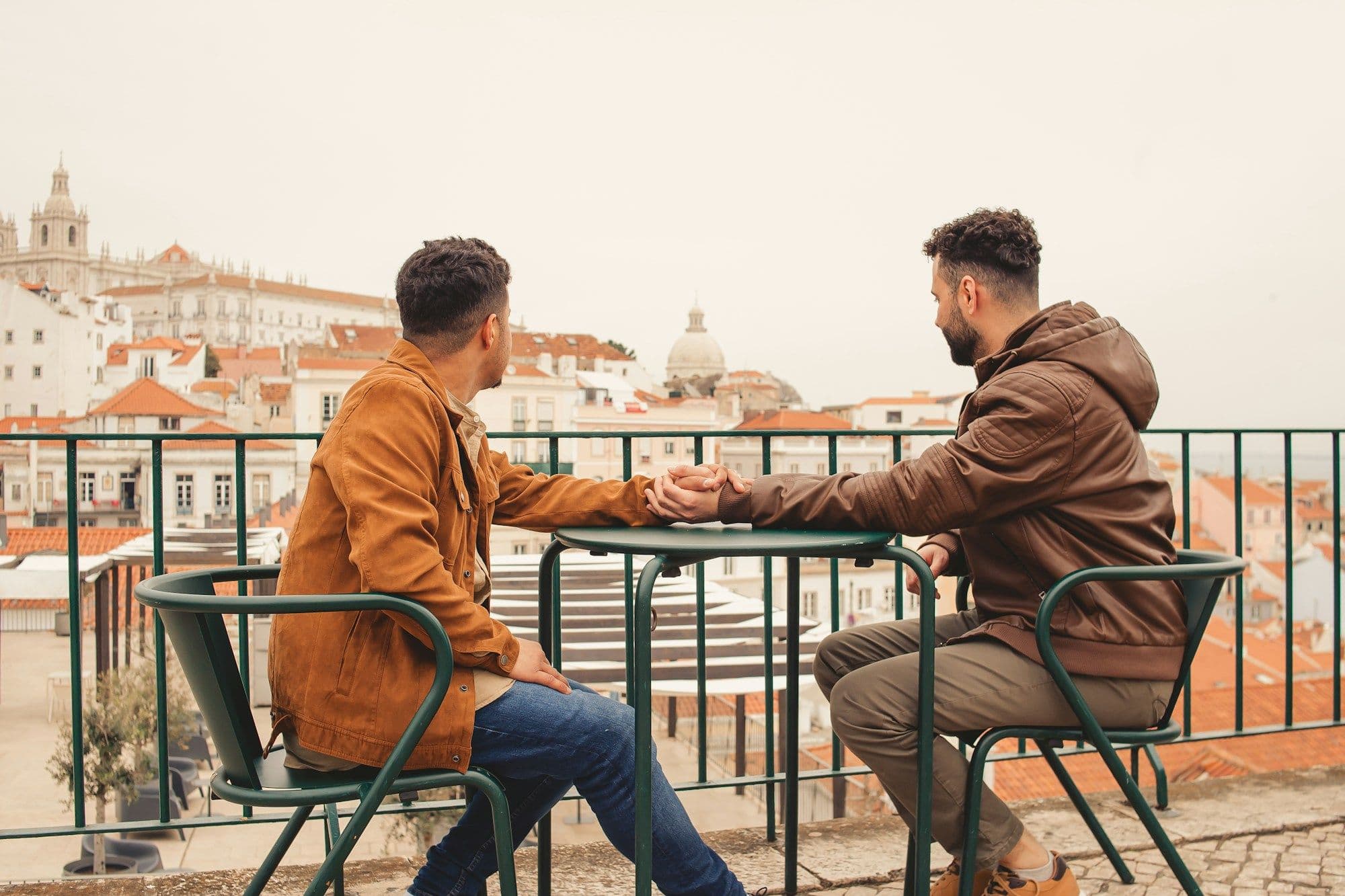
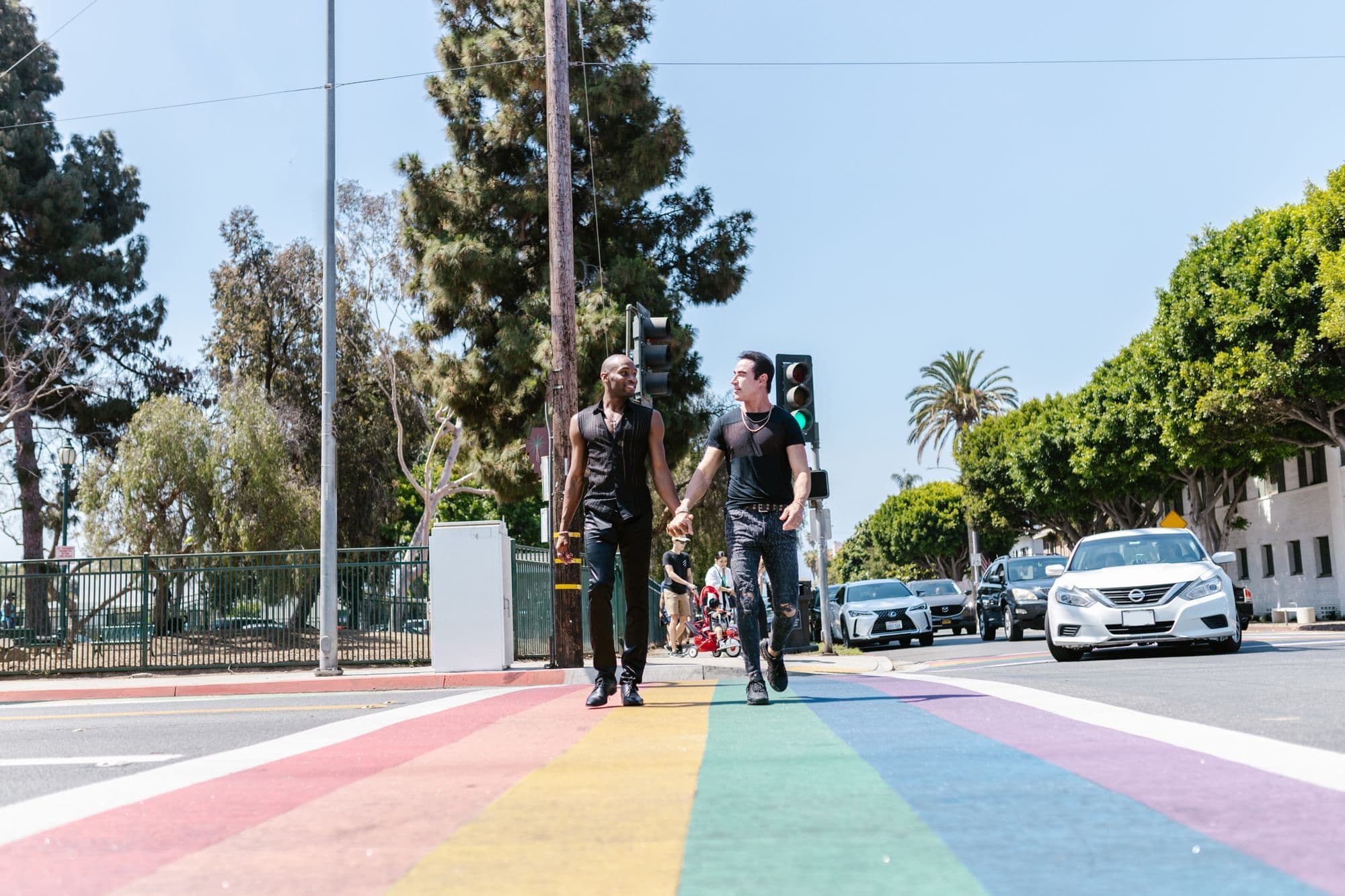
To find LGBTQ+-friendly neighborhoods before you travel, check the law first, then look for recent local evidence: where queer people meet, how the street works after dark, and whether the journey home is easy. A rainbow decal is pleasant. A current map, a few real venues and a workable late-night route tell you much more.
This takes about 30 minutes. We checked the legal and travel-planning sources below in September 2026; use a recent city guide as the last, local layer. Our guides to Bangkok and Lisbon show what that local layer should look like.
What makes a neighborhood LGBTQ+-friendly?
An LGBTQ+-friendly neighborhood is one where you can move through your day and night with ordinary choices: a room that feels comfortable, places to eat and meet, and a straightforward way home. It does not need a formal gay district. It does need more evidence than a single Pride flag in a shop window.
Pick the neighborhood that makes your actual trip easier, not the one with the loudest label.
How do I check LGBTQ+ laws before choosing a neighborhood?
Check the country before you compare streets. The ILGA World maps were updated on 10 May 2026 and cover legal issues from criminalisation to recognition of same-sex couples; its database is the useful starting point for the rulebook.
Where do LGBTQ+ locals actually spend time?
Find two or three current signals of ordinary life, rather than chasing a tourist list. Search for a queer bookshop, community centre, bar, café, sports group or film night. Check its own website or social account for posts from the last few weeks. An active calendar is better evidence than a ten-year-old roundup.
Then widen the map by one or two streets. The venue itself may be perfect but surrounded by hotels that are noisy, expensive or awkward to reach. Our Lisbon and Bangkok guides show why nearby transport matters as much as the bar you choose.
How do I use a map to choose where to stay?
Use a map at the time you expect to make the journey. Mark your hotel, one daytime stop, one dinner option and the last place you might be at midnight. Then check walking time, public transport hours and the cost of a rideshare back to the room. That is your neighborhood test.

Make the decision with four checks:
- Walk it. Use street view or recent pedestrian photos to see the block around the accommodation, not only the nearest landmark.
- Run the late route. Check the final train, night bus or local ride-hailing option for the day you will use it.
- Read the newest reviews. Look for comments about noise, check-in, the street at night and how staff handled couples or solo guests.
- Book the first night. You can always move later. Landing with an address and a plan is enough.
Which searches reveal the real neighborhood?
Search the city and the neighborhood separately. “LGBTQ+ neighborhood [city]”, “queer events [city]”, “gay bars [neighborhood]”, “queer café [city]” and “Pride [city]” uncover different pieces of the map. Add the current year, then filter out old listicles.
Use the results to find primary sources. A venue's own page can confirm it still exists; a Pride organiser can confirm the next event; a community organisation can show whether a regular social calendar is alive. When those sources disagree, follow the newest direct source or leave the claim out.
Start your first day with local context
A local guide can help you make sense of the streets, opening hours and small practical choices that a general checklist cannot settle.
Meet local guidesAre hotel reviews a good test of an LGBTQ+-friendly area?
They are a useful check, not a verdict. Recent reviews can reveal whether a room faces a loud street, whether late check-in works, and whether the listing is where it claims. Search the review text for “couple”, “welcoming” or the neighborhood name, but do not expect strangers to describe identity the way you would.

What are the red flags when choosing a queer-friendly area?
The main red flag is information that cannot be checked. Be wary of copied venue lists with no dates, a hotel that gives only a landmark instead of an address, or a district described as “safe” without explaining for whom and when. Skip vague claims and look for current, local detail.
How do I check a neighborhood after I arrive?
Confirm the basics on your first walk: the closest transit stop, a late food option, an ATM if you need one, and the route back to your door. Drop a pin for the hotel before you go out. Then let the city be itself rather than trying to tick off a district because a search result told you to.

Before you book your LGBTQ+-friendly neighborhood
- Run the law check. Start with ILGA World's current maps, then read destination-specific official advice.
- Find recent local proof. An active venue or community calendar beats a popular but stale travel article.
- Plan the last mile. Test the route from your likely late-night stop to the hotel before you pay.
- Choose the trip you want. Nightlife, museums, a partner getaway and solo exploration can call for different blocks in the same city.
- Leave room to adapt. Book a solid first night, then change your plan if the city gives you a better answer.
The best neighborhood lets you enjoy the city without making logistics the evening's main event. For a local read before you arrive, explore our cities or meet a local guide.
Find your footing with someone local
Browse local LGBTQ+ guides for city-specific ideas on where to start, what is open now and how to move through the day at your pace.
Explore citiesFrequently asked questions about LGBTQ+-friendly neighborhoods
How can I tell if a neighborhood is LGBTQ+-friendly before I visit?
Use current laws, destination advice, active queer venues or community groups, and a map of the route you will use. One symbol or old list is not enough. Look for several recent sources pointing to the same streets.
Is it better to stay in the gay neighborhood when traveling?
Not always. Stay nearby if nightlife and walking home are central to your trip. Choose a quieter district if you care more about sleep or museums, provided the late route is simple. Match the base to your itinerary, not its label.
Are rainbow flags a reliable sign that an area is LGBTQ+-friendly?
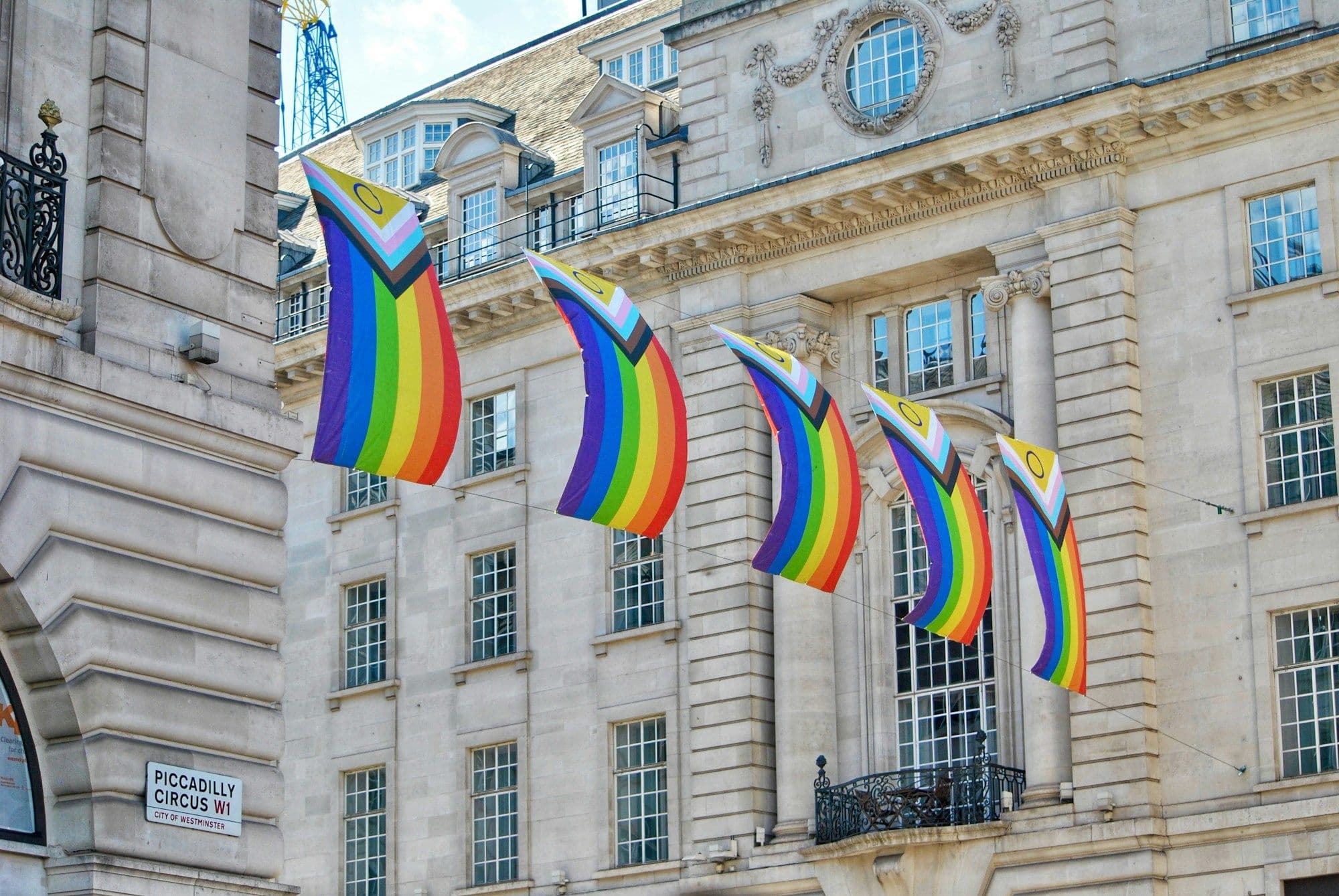
Rainbow flags are welcome, but not proof of how a destination works for LGBTQ+ travelers. Check current laws, local community activity, venue updates and the route around your accommodation. A visible symbol begins the research; it does not finish it.
What should I search for when researching gay neighborhoods in a new city?
Search the city and neighborhood with “LGBTQ+ travel”, “queer events”, “gay bars”, “queer café”, “community centre” and “Pride”, plus the current year. Use the results to find recently updated venue, organiser and community pages. They are more dependable than recycled lists.
Should I read hotel reviews for LGBTQ+ travel advice?
Yes, but use recent reviews for practical details, not a universal safety score. They can cover the street, noise, check-in and staff. Pair them with local sources and a map check. A convenient room matters more than a broad marketing label.
What if I cannot verify whether a neighborhood is welcoming?
Do not force a conclusion. Choose accommodation with clear recent reviews, reliable transport and a flexible first-night plan, then ask a current local source after you arrive. A local guide, community organisation or venue is more useful than an old article.