

First time in Europe as an LGBTQ+ traveler is easier when you plan less territory and more certainty. Pick one or two cities, check the legal and social context for each place you will actually visit, get the border rules right for your passport, and arrange your first night before the flight. Europe is not one experience. That is useful.
We checked the official border, health and passenger guidance, plus ILGA-Europe's 2026 rights data, in September 2026. This is the practical plan: where to start, what to verify, how not to confuse Europe with the EU, and how to arrive with the easy decisions already made. For city-level detail, start with our guides to Amsterdam, Barcelona, London and Lisbon.
Is Europe easy for LGBTQ+ travelers on a first trip?
Europe can be an excellent first international trip for LGBTQ+ travelers, but it is not a single legal or social zone. ILGA-Europe's Rainbow Map 2026 compares 49 countries on laws and policies across 76 criteria: Spain ranked first, while the Europe-wide average was 43% and the EU average 52%.
Use that as a prompt to check the country, neighborhood and plans you have in mind. The UK government's LGBT+ travel guidance says to research every area you will visit, not only the country.
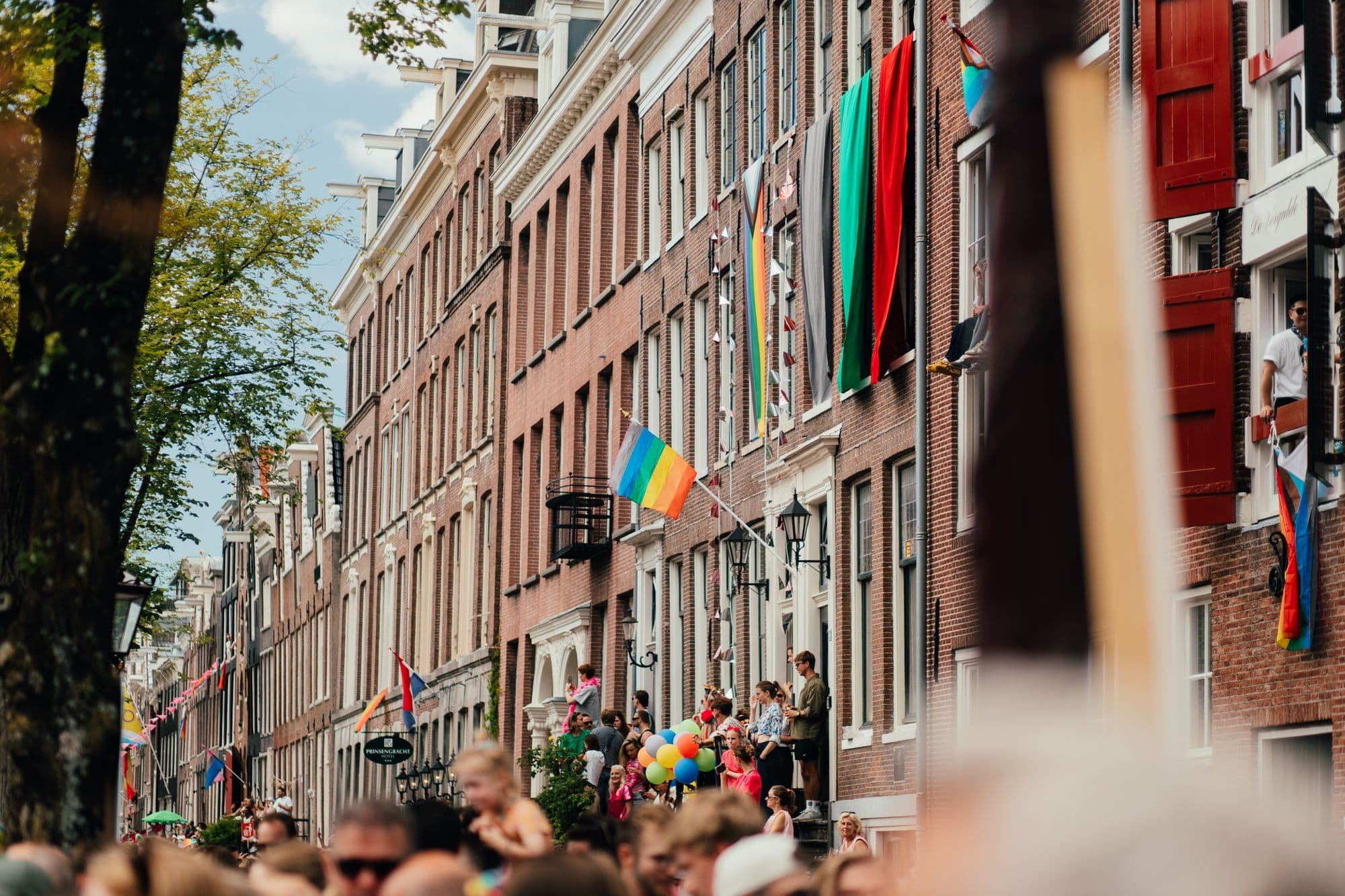
Use the Rainbow Map as a starting point, not a substitute for local information. Then read the destination-specific advice from your own government, find a current local LGBTQ+ organisation or Pride, and look at a recent gay city guide. Our LGBTQ+ neighborhood guide is the last part of that check: it helps you choose a base with a useful route home, not just a rainbow sticker in the lobby.
The best first Europe itinerary has enough blank space for a late dinner, a good bar and a city you did not expect to like this much.
Where should an LGBTQ+ traveler go first in Europe?
Go first to a city that matches the trip you want. Amsterdam suits a compact city break; Barcelona gives you beach and late nights; Lisbon rewards a slower pace; London is a big, English-language choice outside Schengen.
For a short first trip, take five to seven nights in one place, or add one second base by direct train or simple flight. Put the longer stay first. If nightlife matters, stay nearby or on one direct late-night line. A good night should not end in a 45-minute logistics puzzle.
Let a local make day one easier
Browse LGBTQ+ local guides in the cities we cover and choose someone whose interests fit your pace. A good first afternoon gives you the neighborhood map for the rest of the trip.
Meet local guidesDo I need a visa to travel around Europe?
Visa rules depend on your passport and route. Europe, the EU, the euro area and Schengen overlap, but they are not the same thing. The European Commission's Schengen overview lists 29 Schengen countries; Ireland keeps its own border and visa policies, while Cyprus has not yet abolished internal border controls.
For non-EU nationals who need a Schengen visa, the usual short-stay rule is up to 90 days in any 180-day period. Check the Commission's visa policy page, then the relevant embassy or consulate before committing to an itinerary.
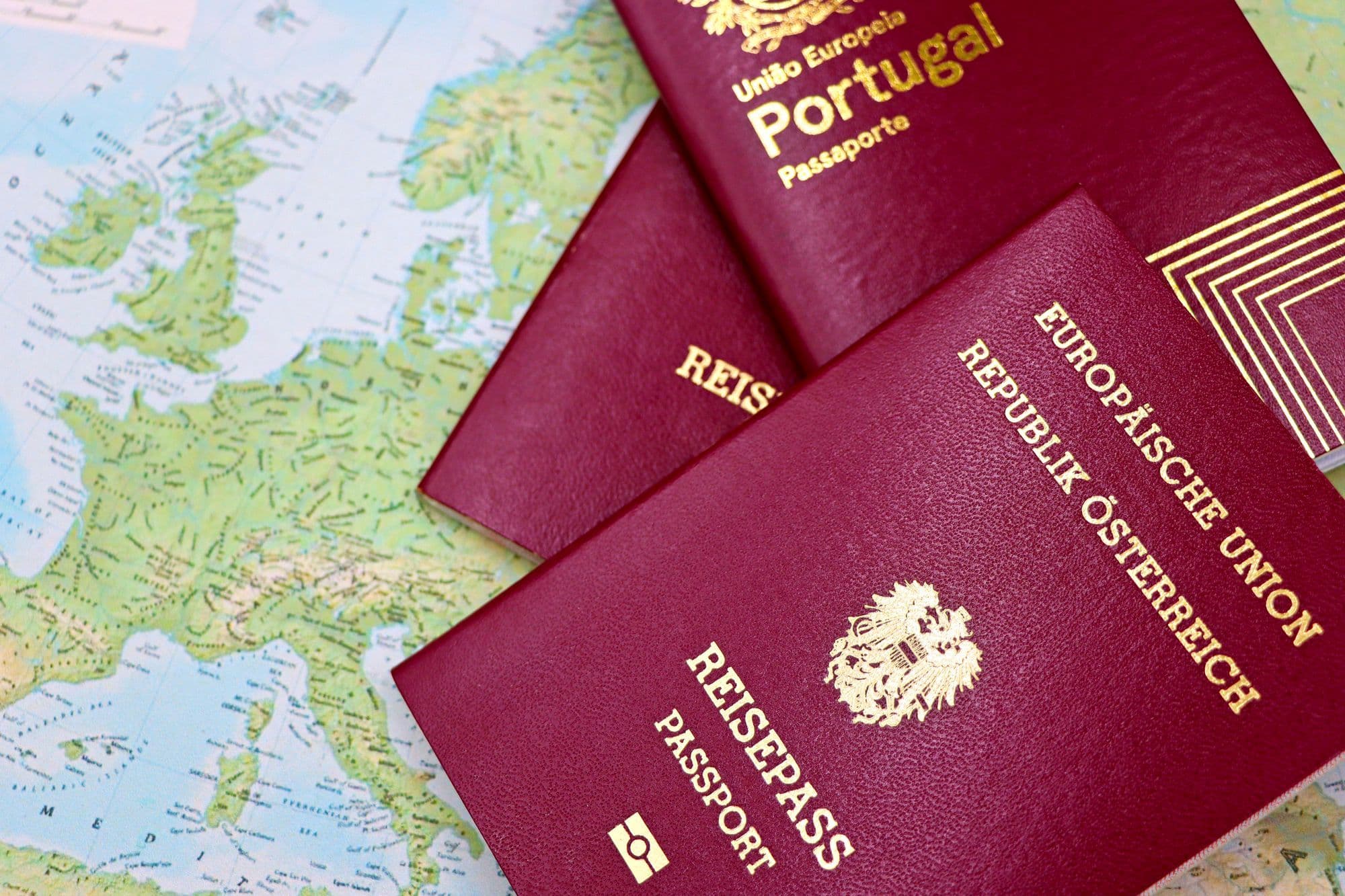
Keep your passport, insurance, accommodation address and any required medication documentation together. If you carry HIV treatment, PrEP or hormones, check that you can take them into every country you visit or transit through.
How many cities should I plan for a first Europe trip?
For one or two weeks, two bases are plenty. Spend the first two nights in the arrival city, then move only once. You will see more because you stop spending every morning packing, checking out and learning a new ticket machine.
Choose a connection you can explain in one sentence. If rail is available, prefer a through-ticket to separate tickets. EU operators must give clear connection and disruption information for through-tickets; save the official rail passenger rights page before a big travel day.

Buy the train or flight that gives you a buffer, not the impossible 18-minute connection. Save the ticket in the operator's app and as an offline screenshot. If a service is delayed, deal with the operator at the station while the details are in front of you. This is boring advice. It is also the difference between a hiccup and losing your hotel night.
What should LGBTQ+ travelers check before booking a hotel in Europe?
Check the room, neighborhood and route. Use the property's current policy and recent reviews to confirm the room arrangement works for you and your partner. If a place is vague when you ask, choose another. You are buying a bed, not a debate.
Check the map at the hour you will use it: station nearby, one direct route home, and a street that works after dinner. Our guide to planning LGBTQ+ travel safety without fear has the right approach: reduce avoidable friction, then leave room for the trip.
Book airport or station transfer, save the address and find a meal near the door. Do not test a three-leg route with a suitcase on night one.
How do money, phones and transport work across Europe?
Treat each destination as its own practical system. The euro is widely used but not universal, and card acceptance, tipping and local transport apps differ. Carry a backup card and do not rely on one phone, one card or one battery.
If your mobile plan is from the EU or EEA, the European Commission's Roam Like at Home rules generally let you call, text and use data in EU countries at your domestic price, subject to fair-use limits. It is not a promise for visitors using a non-EU plan, and it does not automatically apply in the UK. Check your operator before you land, especially if you are crossing several borders.

Before leaving Wi-Fi, download the city map, save the hotel address and take screenshots of the first two tickets. Across the EU, 112 reaches police, ambulance and fire services free from fixed and mobile phones.
How should LGBTQ+ travelers handle safety and health in Europe?
Handle safety as a routine, not a mood. Check local laws and attitudes, choose public first meetings, keep your phone charged, and leave if a situation starts to feel wrong. Legal acceptance and daily tolerance can vary sharply by place, and the UK guidance notes that some countries use dating apps in entrapment campaigns.
For health, travel insurance remains worth having. An EHIC can help EU-insured travelers access medically necessary, state-provided care during a temporary stay in the EU and some associated countries, but it is not travel insurance and does not cover private care, repatriation or lost property. The European Commission's EHIC guidance is clear on the limits.
What should I pack for a first Europe trip?
Pack for the actual route, not the postcard. Comfortable shoes, a rain layer and a small day bag will do more work than a second going-out outfit.
- Documents in two places. Carry the passport and medication in hand luggage; keep encrypted copies and insurance details accessible offline.
- A charged phone plan. Bring a power bank and the right plug adapter, then download maps and tickets before departure.
- The practical clothes. Shoes for cobbles and stairs, a rain layer, and one smart-casual outfit if that is how you like to go out.
- Health basics. Your regular medication, enough for delays, and the documentation required for every transit or destination country.
- A short first-day list. Coffee, food, a walk, one place you want to see and the route back. That is enough.
You need a first city that fits, the correct paperwork and enough breathing room to stay longer when a place earns it.
Start with the city, not the continent
Explore the cities where Rainbow Tour Guides has local LGBTQ+ guides, then build the first day around what you actually enjoy.
Browse citiesFrequently asked questions about first-time LGBTQ+ travel in Europe
Is Europe safe for LGBTQ+ travelers?
Europe is not one safety or rights experience. Many cities are straightforward places for LGBTQ+ travelers, while laws, social attitudes and local conditions vary across countries and within them. Check the specific destination, neighborhood and current government advice before you go. ILGA-Europe's Rainbow Map is a useful legal-policy starting point, not a guarantee of daily experience.
Which European city is best for a first LGBTQ+ trip?
The best first city is the one that matches your pace and interests. Amsterdam works for a compact city break, Barcelona for beach and late nights, Lisbon for a slower rhythm, and London for a big-city trip in English. Choose one, read a current local guide, and stay close to the parts of the city you want to use at night.
Can I travel freely between European countries?
Not automatically. The 29-country Schengen area has no routine internal border controls, but Europe is larger than Schengen. Ireland keeps its own border and visa policies, and Cyprus has not yet abolished internal border controls. Visa, passport and stay rules depend on your nationality and route, so verify them with official sources before booking.
Do I need travel insurance for Europe?
Travel insurance is sensible for a Europe trip, even if you hold an EHIC. The EHIC is for eligible EU-insured travelers using medically necessary, state-provided care during a temporary stay; it is not an alternative to travel insurance. It does not cover private healthcare, return travel after illness or accident, or lost property.
What emergency number works across the EU?
Call 112 for police, ambulance or fire services anywhere in the EU. The number is free from fixed and mobile phones. Save it before your trip, along with your accommodation address and the local emergency details for any country outside the EU in your route. It is a small task with an unusually good payoff.
Should LGBTQ+ couples book one bed in Europe?
Book the room arrangement you want, then make one quick check if the property or location leaves you uncertain. A hotel's current policy, recent reviews and a direct question are more useful than assumptions. In any destination, choose accommodation that feels easy to return to after dark and that gives you a clear, public route home.