The Ultimate Gay Barcelona Travel Guide (2026)
From the sun-drenched beaches of Mar Bella to the late-night energy of Gaixample — Barcelona is one of Europe's most naturally gay-friendly cities. Here is everything you need to know before you go.
Ad Placeholder
Top Inline Sponsor
Reserved for sponsor media or future ad integration.
Barcelona has a way of making you feel like you have arrived somewhere important the moment you step out of the airport. The light is sharper. The palm trees look like they were placed there on purpose. And the city hums with that rare combination of Mediterranean relaxation and big-city energy that most places can only dream of pulling off.
For gay travelers, Barcelona is something even rarer: a destination that does not need a separate "gay guide" appendix because the whole city is, in large part, already welcoming. That does not mean there is no queer scene — far from it. It means the queer scene here is integrated, visible, and refreshingly unapologetic.
Think of Barcelona as the friend who tells you to wear what you want, stay out as late as you like, and eat way more tapas than you planned. That is the vibe.
Why Barcelona?
Barcelona has been a magnet for LGBTQ+ travelers for decades, and not because of any single gay district or annual event. The city's appeal is broader than that. It comes from a culture that values public life, late nights, and personal expression. The same Mediterranean attitude that keeps restaurants open past midnight also makes room for a diverse queer community to exist in the open.
Same-sex marriage has been legal in Spain since 2005. Barcelona held one of Europe's first city-sponsored Pride events. The local government actively supports LGBTQ+ tourism. But beyond the policies and the parade dates, the real reason to visit is simpler: Barcelona is a city where you can be yourself without thinking too hard about it.

The Best Neighborhoods for Gay Travelers
Each neighborhood in Barcelona has its own personality. Here is where to base yourself depending on what kind of trip you want.
Eixample — The Heart of Gaixample
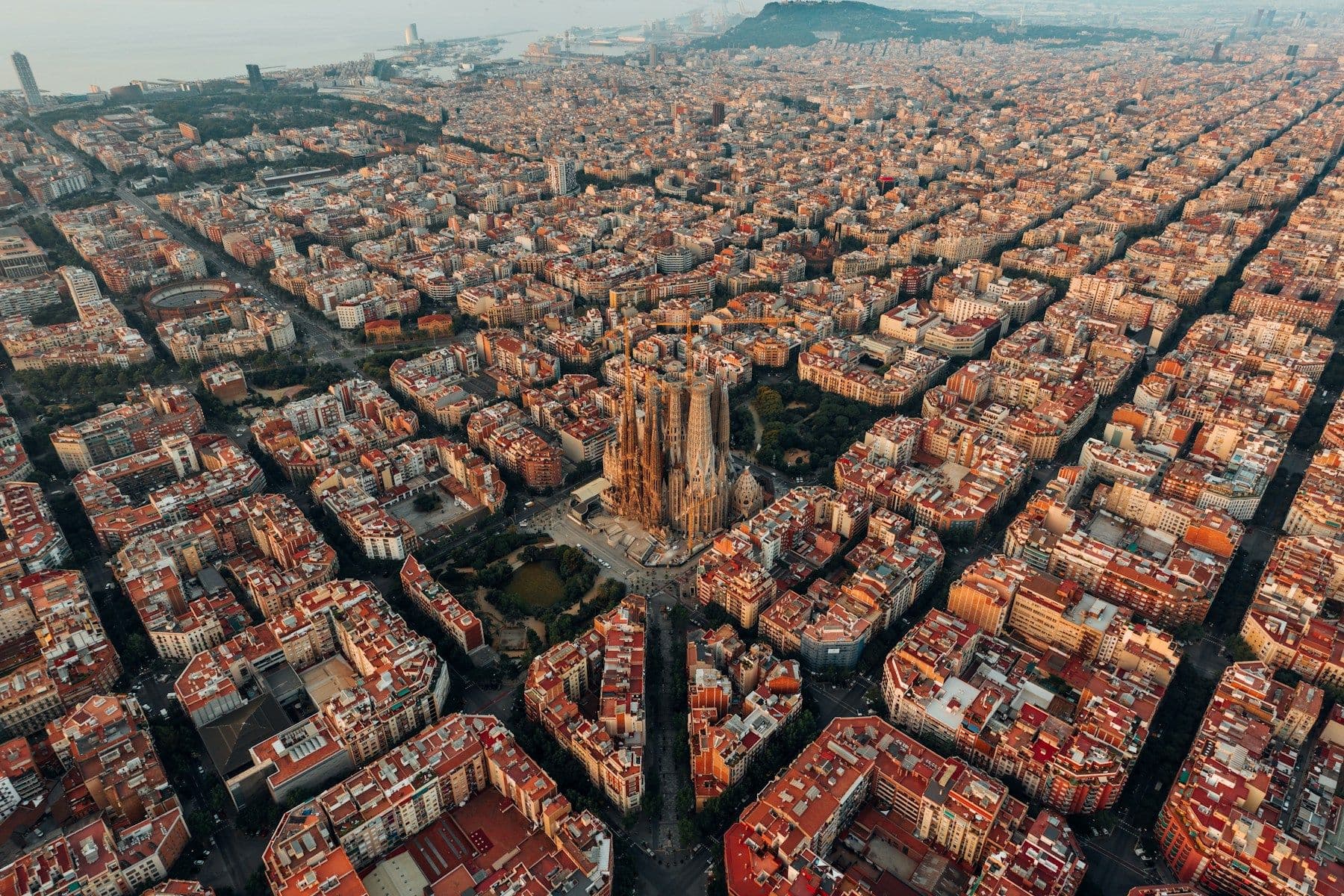
Eixample is the grid-planned modernist district that bisects Barcelona into tidy blocks, and it is also ground zero for the city's gay scene. The area around Carrer de Balmes and Carrer de Consell de Cent is nicknamed "Gaixample" for good reason: block after block of gay bars, clubs, saunas, and queer-owned businesses.
If you stay in Eixample, you will be walking distance from:
- Arena Classic and Arena Madre — two of the most famous gay clubs in the city.
- Punto BCN, a cozy mixed gay bar that has been around for years.
- Dock, a cruise bar with a darkroom and a more adult vibe.
- La Chapelle, a cabaret-style bar with drag performances and a lively mixed crowd.
Eixample is also central to everything else. You can walk to Passeig de Gràcia, the main shopping avenue, in under ten minutes, and the Sagrada Familia is a twenty-minute stroll east.
El Born & The Gothic Quarter
If Eixample is the polished, planned face of Barcelona, El Born and the Gothic Quarter are the ancient, winding heart. This is where the city feels oldest and most romantic. Narrow medieval streets open into hidden plazas where you can drink vermouth at a sidewalk table and watch the world go by.
The queer scene here is less concentrated but arguably more interesting. You will find mixed bars where the crowd is naturally diverse rather than segregated by identity. Check out Pícaro Bar for a casual drink or La Terrazza del Gótico for a rooftop vibe. The area is also packed with boutique hotels, many of which are openly LGBTQ+-friendly.
El Born is especially great for couples. The lighting alone is worth the trip.
Gràcia
Up the hill from Eixample, Gràcia used to be its own village and still feels like one. The plazas here — especially Plaça del Sol and Plaça de la Virreina — are where locals gather to drink, talk, and eat. Gràcia has a bohemian, alternative energy that attracts a younger, artsier crowd. The queer scene is less commercial and more community-driven.
This is the neighborhood to explore if you want to escape the tourist rush and see how Barcelona actually lives. The nightlife here is more about terraces and conversation than crowded dance floors.
Gay Nightlife — Where to Go and What to Expect
Barcelona's gay nightlife is famously late. Dinner at 10 PM, pre-drinks at midnight, club entry at 2 AM — that is the rhythm. If you show up before 1 AM, you will probably be the only person on the dance floor. Embrace it. The city rewards night owls.
Clubs
Arena is the most famous name in Barcelona gay nightlife, with two locations: Arena Classic (more pop and commercial) and Arena Madre (more electronic and dark). Both get busy on weekends and during Pride. Metro, near Universitat, is another solid option with multiple floors and a good mix of music.
For something less clubby and more theatrical, La Chapelle on Carrer de la Diputació offers drag performances in an intimate setting. It is the kind of place where you can see a show, have a drink, and actually hear your friends talk afterward.
Bars
The bar scene in Barcelona is more relaxed than the club scene. Punto BCN is a classic — small, friendly, and great for a first drink. Dietrich Café has a more refined, cabaret-style atmosphere. For a mixed crowd with great cocktails, try Copas Rotas or the ever-popular Marmalade in El Born.
Barcelona Pride (Pride Barcelona) takes place in June or July, with a parade that draws hundreds of thousands of people. It is big, loud, and colorful, but it also retains a distinctly local flavor compared to more commercialized Prides in other European capitals. If you can time your visit for Pride, do it. But Barcelona is not a city that saves its queer energy for one weekend a year.
Gay-Friendly Beaches
Barcelona's coastline is one of its biggest draws, and Mar Bella beach is the unofficial gay beach. Located in the Poblenou district, Mar Bella is a short metro ride from the city center and has a relaxed, mixed atmosphere. The northern end of the beach is where most gay sunbathers gather. There is a small chiringuito (beach bar) that plays music and serves drinks all afternoon.
For a more dedicated gay beach experience, take the thirty-minute train to Sitges. More on that below.
Where to Eat
Barcelona is a food city in the best sense: you can eat incredibly well at every price point. For a classic Catalan experience, head to El Xampanyet in El Born for cava and tapas. La Boqueria market on Las Ramblas is touristy but worth a visit for the sheer visual spectacle of its produce and seafood stalls.
For a more local and less crowded market, try Mercat de Sant Antoni, recently renovated and full of excellent food stalls. And if you want a proper sit-down meal, book a table at Cal Pep in El Born or tapeo at Bar Cañete near La Boqueria.
Day Trips Worth Your Time
Sitges
Sitges is a coastal town about thirty minutes south of Barcelona by train, and it is one of Europe's most famous gay beach destinations. The town has a year-round gay scene, multiple gay beaches (especially Playa de la Bassa Rodona), and a relaxed, hedonistic atmosphere. It is smaller and quieter than Barcelona, which makes it perfect for a day trip or an overnight escape.
Montserrat
If you want a change of pace from the beach and the bars, Montserrat is a stunning mountain monastery about an hour outside the city. The scenery is dramatic — jagged rock formations that look like they belong in a fantasy film — and the monastery itself is a piece of living Catalan history.
Practical Tips for Your Trip
When to visit:
- May-June and September-October are the sweet spots: warm weather, fewer crowds, and lower prices than peak July-August.
- July-August is hot and crowded but also when Pride happens and the energy is highest.
- Winter is mild and quiet — a different Barcelona but still enjoyable.
Getting around:
- The metro is excellent and runs until midnight on weekdays and all night on Fridays and Saturdays. Buy a T-Casual card for ten rides.
- Barcelona is very walkable. Most of the neighborhoods worth visiting are within a 30-minute walk of each other.
- Beware of pickpockets on Las Ramblas and in crowded metro stations. Keep your phone in your front pocket and your bag zipped.
Safety:
Barcelona is one of the safest cities in Europe for LGBTQ+ travelers. Public displays of affection between same-sex couples are common and mostly unremarkable. That said, late-night streets in any big city can attract unwanted attention. Stick to well-lit areas, travel in groups if possible, and trust your instincts.
Barcelona does not just tolerate gay travelers. It welcomes them. The scene is visible, the locals are friendly, and the city offers more queer-friendly spaces than you could possibly visit in a single trip.
Explore with someone who knows the city
Rainbow Tour Guides connects LGBTQ+ travelers with verified local guides and concierge support.
Find a GuideGet better LGBTQ+ travel ideas
City tips, planning notes, and guide-led recommendations for your next trip.
By subscribing, you agree to receive Rainbow Tour Guides marketing emails. You can unsubscribe at any time. See our privacy policy.
Ad Placeholder
Mid-Article Sponsor
Reserved for sponsor media or future ad integration.
Plan Your Next Trip
Explore cities and connect with verified guides for private, safety-first local tours.
Related Articles
What a Local Queer Guide Adds to Your First Day in a New City
Maps tell you where things are. A good local guide tells you what the map cannot.
A local queer guide can turn the first day of a trip from logistics and second-guessing into neighborhood context, safer choices, and better memories.
The Ultimate Gay Mexico City Travel Guide (2026)
From the pulque bars of Zona Rosa to the rooftop speakeasies of Roma Norte and the ancient pyramids of Teotihuacan — CDMX is one of the world's most exciting queer travel destinations. Here is your complete guide.
The ultimate LGBTQ+ Mexico City travel guide covers Zona Rosa gay bars with cover charges and best nights, Condesa and Roma hotels, the best tacos in the city, Teotihuacan day trips, Chapultepec Castle, and safety tips for queer travelers.
Get the Rainbow in your inbox
Join our community for the latest LGBTQ+ travel guides, safety tips, and destination inspiration.
By subscribing, you agree to receive Rainbow Tour Guides marketing emails. You can unsubscribe at any time. See our privacy policy.