
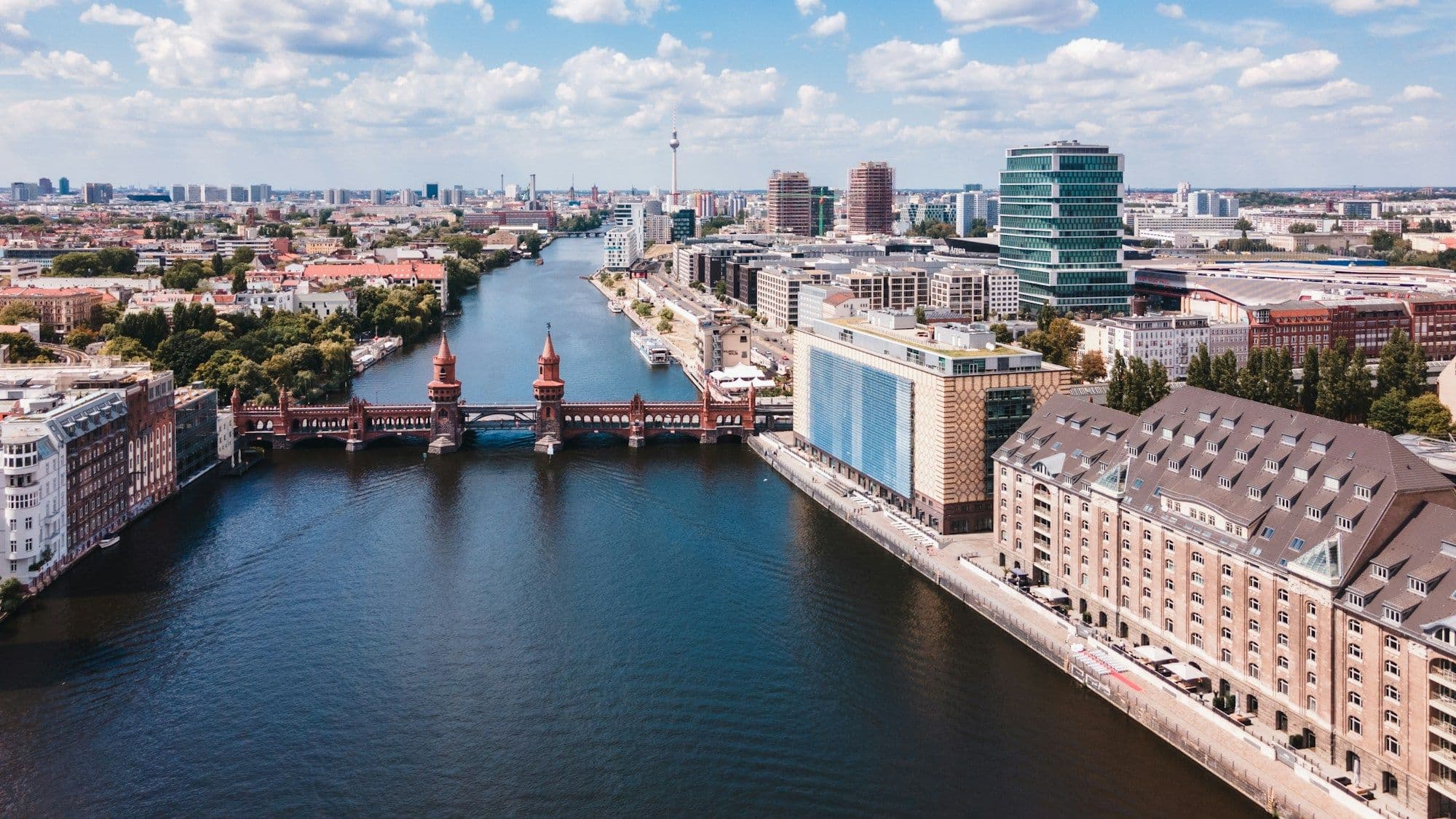
Berlin's queer history walking route takes you from Magnus Hirschfeld's early emancipation movement beside the Spree to the former Eldorado in Schöneberg. Allow four to five unhurried hours, including the Schwules Museum, and use the U-Bahn for the last hop rather than turning a good route into a marathon.
This is not a nostalgia lap around Weimar Berlin. The route holds joy, repression, survival and the work of remembering in the same afternoon. Start in daylight. Finish around Nollendorfplatz, where a history walk can naturally turn into dinner or a drink.
Where does Berlin's queer history walking route start?
Start at Magnus-Hirschfeld-Ufer, on the Spree between the Luther and Moltke bridges. The riverbank carries the name of the physician and sex researcher who helped found the Scientific-Humanitarian Committee in 1897, an organisation that argued for the decriminalisation of homosexuality.
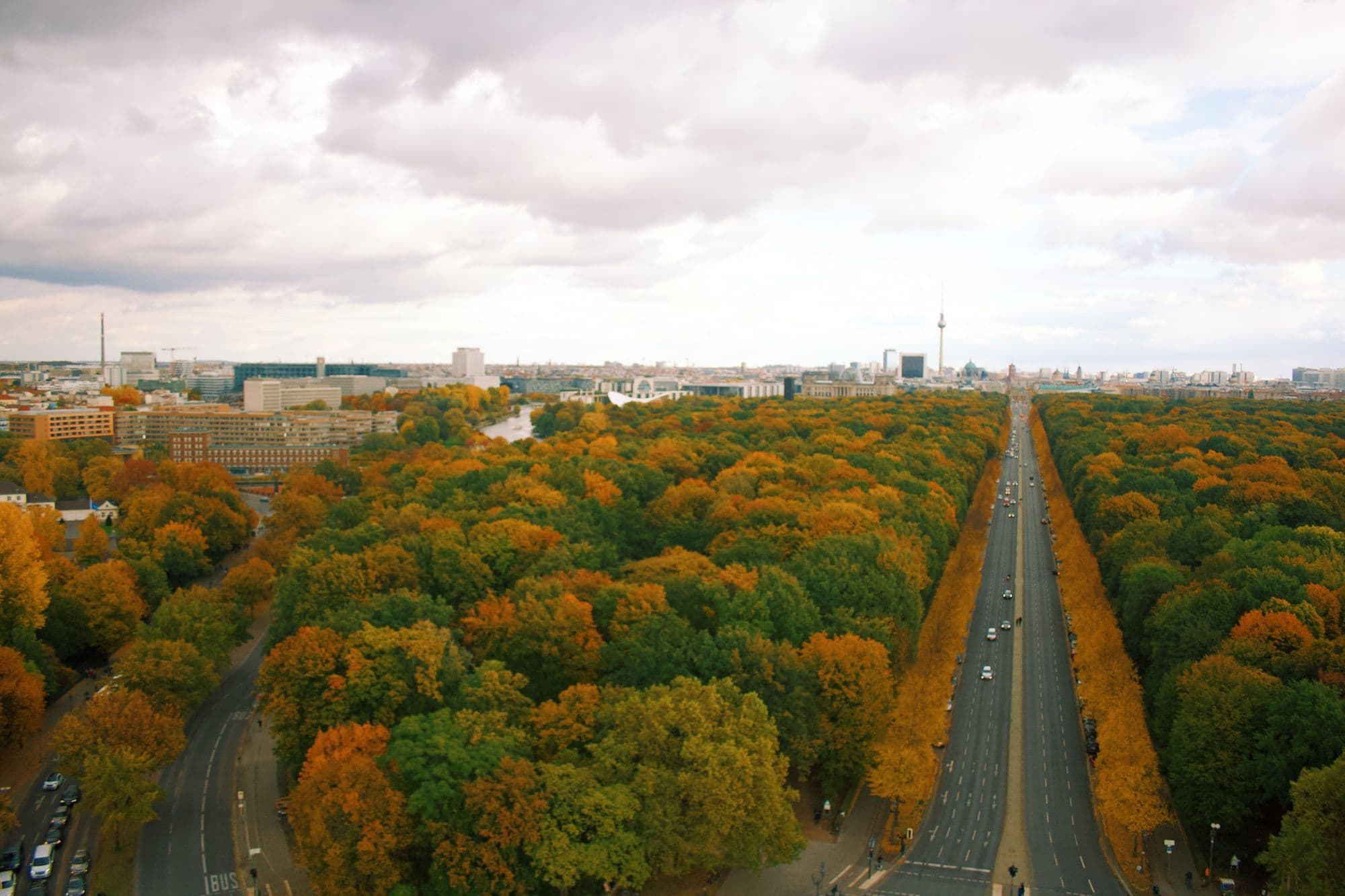
Memorial to the First Homosexual Emancipation Movement
ActivityMoabit and Tiergarten · Free · Any daylight hour; pause here before walking east along the river
Magnus-Hirschfeld-Ufer, 10557 Berlin
- Spree setting
- Hirschfeld history
- Public art
Tip: Read both information plaques before photographing the calla-lily sculpture. The explanation is the point of the stop.
The monument opened in 2017. Its rainbow-toned calla flowers look almost cheerful from a distance, which is deliberate: the city describes the flower as a symbol of sexual and gender diversity in nature. Give this stop ten minutes, then follow the waterfront toward the Haus der Kulturen der Welt.
Berlin's queer history is not hidden. You just have to know which ordinary-looking addresses carry it.
Where was Magnus Hirschfeld's Institute for Sexual Science?
The Institute for Sexual Science stood on the grounds now occupied by the Haus der Kulturen der Welt at John-Foster-Dulles-Allee 10. Berlin's official history map marks the site and explains that the Institute opened in 1919; it was looted and shut by the National Socialists in 1933.
There is no intact institute to tour. That absence is the stop. Look at the building, find the marker and resist the urge to sprint straight to the better-known monuments. Hirschfeld's work on sexuality and gender, and the organised campaign against Paragraph 175, make much more sense when you stand where the institution was deliberately destroyed.
Former site of the Institute for Sexual Science
ActivityTiergarten · Free · Any daylight hour; combine it with Magnus-Hirschfeld-Ufer
John-Foster-Dulles-Allee 10, 10557 Berlin
- 1919 institute site
- Historical marker
- Spree walk
Tip: The official map places the site at the Haus der Kulturen der Welt. Treat it as a memorial stop, not a museum visit.
What does Berlin's memorial to persecuted homosexuals commemorate?
Walk south through Tiergarten to the Memorial to the Persecuted Homosexuals under National Socialism, on Ebertstraße opposite the Holocaust Memorial. It honours people persecuted and murdered under the Nazi regime, and confronts continuing hostility and exclusion rather than closing the subject safely in the past.
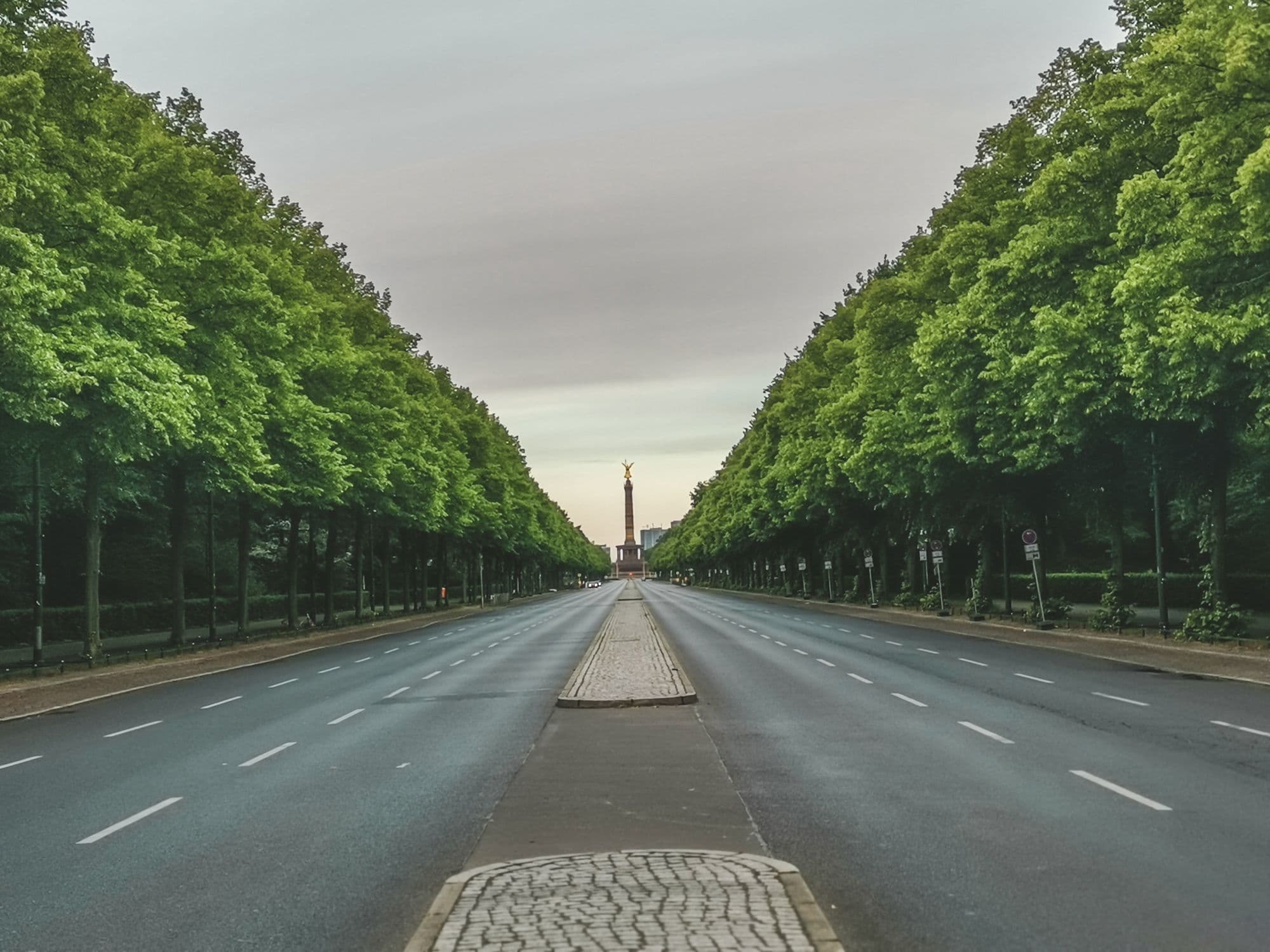
Memorial to the Persecuted Homosexuals under National Socialism
ActivityTiergarten · Free · Open 24 hours; visit in daylight if this is your first time in the park
Tiergarten, Ebertstraße, 10117 Berlin
- Elmgreen and Dragset
- Video artwork
- Accessible outdoors
Tip: The film appears through a small window in the concrete form. Wait a moment before moving on.
The memorial was formally handed to the public in 2008 and is accessible around the clock. It sits close to major visitor sights, but it should not become a box ticked on the way to the Brandenburg Gate. Stand with it. Then take the short walk or bus south-west toward Lützowstraße.
Is the Schwules Museum worth visiting for Berlin queer history?
Yes. The Schwules Museum is the route's essential indoor stop because it connects the addresses outside to objects, archives, art and arguments that do not fit on a plaque. It is at Lützowstraße 73, about a 20-minute walk from the Tiergarten memorial, or a quick bus ride if your feet have had enough.
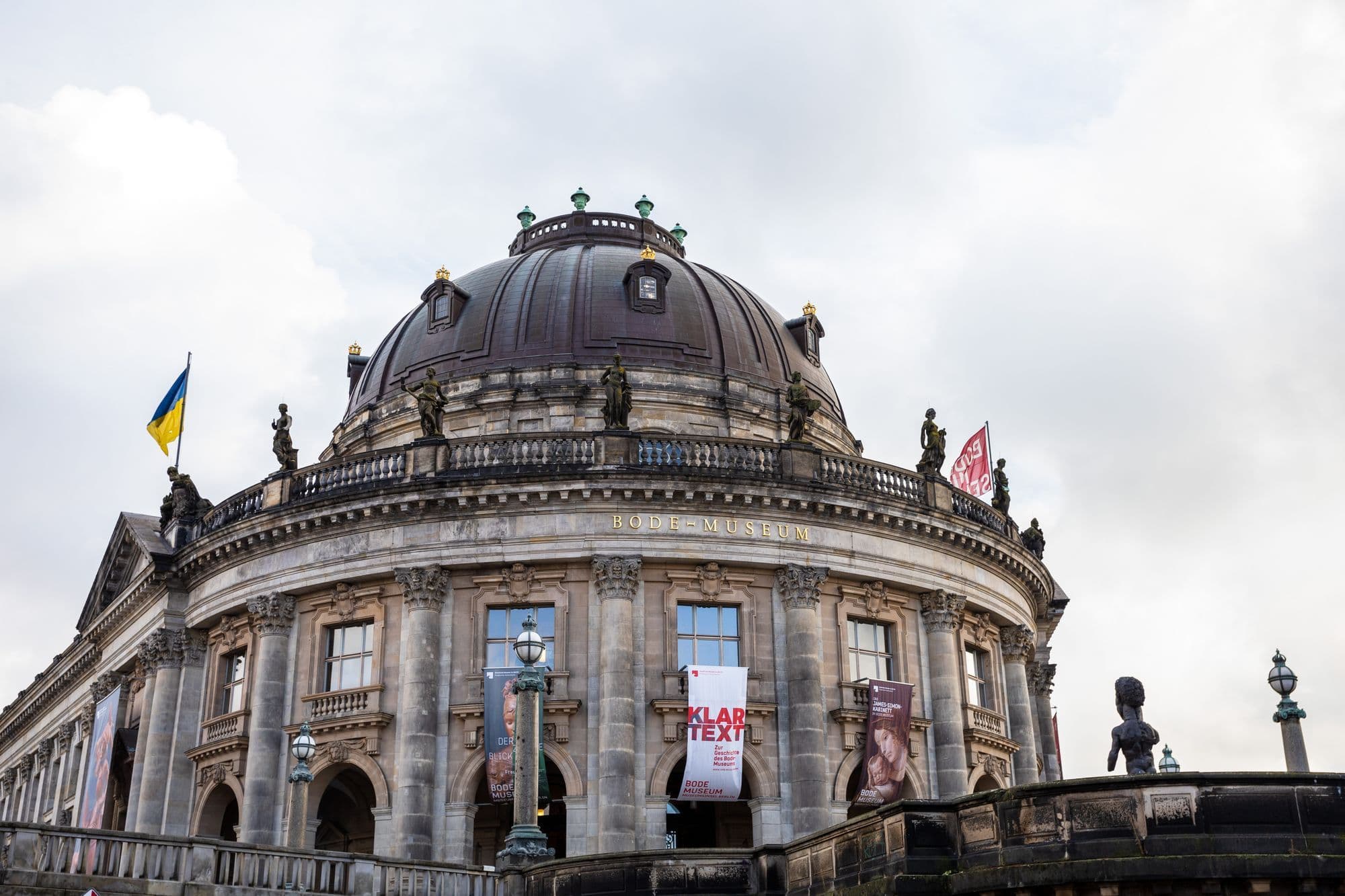
Schwules Museum
ActivityTiergarten · €10 regular admission; €5 reduced; €15 solidarity ticket · Mon, Wed and Fri 12 PM to 6 PM; Thu 12 PM to 8 PM; Sat 2 PM to 7 PM; Sun 2 PM to 6 PM
Lützowstraße 73, 10785 Berlin
- Queer archive
- Rotating exhibitions
- English tours
Tip: Check the museum's closure and renovation notices before you build the day around it. Tuesday is closed.
As checked on 29 September 2026, the programme includes Love at First Fight! Queere Bewegungen in Deutschland seit Stonewall through 1 November and Cruising the Countryside through 14 December. Exhibitions change, which is exactly why this stop should be read as a living museum rather than a fixed permanent display.
Make Berlin's history personal
A local guide can connect the official markers to the neighbourhoods, voices and present-day queer life around them.
Meet Berlin guidesWhere can you see Weimar queer Berlin in Schöneberg?
Take the U2 to Nollendorfplatz, then walk south through the Nollendorfkiez. This is the route's final chapter: not a preserved 1920s set, but a neighbourhood where the former Eldorado at Motzstraße 24 and a plaque for Christopher Isherwood at Nollendorfstraße 17 still give the old queer city a physical address.
Former Eldorado
ActivitySchöneberg · Free to view from the street · Any daylight hour; follow with Nollendorfstraße 17 and a walk around Nollendorfplatz
Motzstraße 24, 10777 Berlin
- Weimar nightlife
- Historic address
- Schöneberg finish
Tip: It is a former venue, not a recreated cabaret. Pair the façade with the official queer-history map on your phone.
Eldorado has become shorthand for Weimar Berlin, but the building is more useful as a prompt than a fantasy backdrop. The city lists the address among its Hirschfeld sites, and Visit Berlin points to it as the former travesty bar. Continue to Nollendorfstraße 17 for Isherwood's plaque, then let the map go loose. Schöneberg is still a place to be, not a period piece.
How should you plan the route without rushing it?
Plan the outdoor Tiergarten stops first, book the museum opening hours into the middle, and leave Schöneberg for the late afternoon. The central segment is walkable, but use the BVG journey planner when the weather is bad or mobility matters. Public transport keeps the final move to Nollendorfplatz sensible rather than heroic.
- Bring headphones if you want to use Berlin's official Queer History Map alongside the route.
- Wear proper shoes. Cobblestones, park paths and pauses at memorials add up more than a conventional museum day.
- Do not assume all historic sites are staffed. The Institute site and Eldorado are places to look, read and reflect, not ticketed attractions.
- If you want a wider first-day orientation, combine this route with the practical advice in our ultimate gay guide to Berlin.
What should you know about respect and safety on this history walk?
Berlin is an easy city for a self-guided queer history walk, but these are memorials, not photo props. Keep voices low, do not block the video window at the Tiergarten memorial and give other visitors room. The route runs through busy visitor areas and a well-established queer neighbourhood, so ordinary city awareness is enough.
Frequently asked questions about Berlin queer history
Can I walk Berlin's queer history route in one day?
Yes. Four to five hours is enough for the outdoor stops, the Schwules Museum and the U-Bahn ride to Schöneberg if you start before lunch on a museum-open day. If you only want the riverbank, Institute site and Tiergarten memorial, two reflective hours is more realistic than rushing every address.
Where was Magnus Hirschfeld's Institute in Berlin?
The Institute for Sexual Science stood where the Haus der Kulturen der Welt is now, at John-Foster-Dulles-Allee 10 in Tiergarten. Berlin's official Magnus Hirschfeld history page identifies the site and describes the Institute's 1919 opening and its destruction by the National Socialists in 1933.
Is the Memorial to Persecuted Homosexuals free to visit?
Yes. The memorial in Tiergarten on Ebertstraße is outdoors, free, accessible and open 24 hours a day. It is opposite the Holocaust Memorial and close to Brandenburg Gate, though it deserves a separate pause rather than a fast detour between headline sights.
Is the Schwules Museum open every day?
No. As checked in September 2026, it is closed on Tuesday. Regular exhibition hours are Monday, Wednesday and Friday from noon to 6 PM, Thursday until 8 PM, Saturday from 2 to 7 PM and Sunday from 2 to 6 PM. Check the museum website for temporary closures.
Where was the Eldorado in Berlin?
The former Eldorado is at Motzstraße 24 in Schöneberg. It is not a surviving themed nightlife venue, but the address remains a useful final stop on a history route through Nollendorfplatz. Pair it with the Christopher Isherwood plaque at Nollendorfstraße 17 and the surrounding neighbourhood.
See the Berlin behind the map pins
Start with the route, then let a local take you into the present-day city with the context that a plaque cannot hold.
Find a Berlin guide